Kumu Art Museum
Tallinn, Estonia
Explore Kumu Art Museum in Tallinn, Estonia – the award-winning national gallery showcasing Estonian art from the 18th century to today.
Overview
Nestled gracefully into the limestone cliffs bordering Tallinn's verdant Kadriorg Park, the Kumu Art Museum stands as a beacon of Estonian culture and architectural innovation. Its name, 'Kumu', is not only an abbreviation of 'kunsti muuseum' (art museum) but also carries the Estonian meaning of 'response' or 'rumour', aptly reflecting its role as a vibrant center for artistic discourse. As the main building of the Art Museum of Estonia, Kumu is not only the largest and most representative exhibition space in the country but also ranks among the largest art museums in Northern Europe. Opened in February 2006, this modern marvel swiftly garnered international acclaim, receiving the prestigious European Museum of the Year Award in 2008. It houses an extensive collection of Estonian art, spanning from the 18th century to contemporary works, while also serving as a dynamic venue for international exhibitions.
History & Cultural Background
The journey to Kumu's establishment was a long one, with the idea of a dedicated art museum building first conceived in the 1930s. However, due to historical upheavals, including World War II and the Soviet occupation, the vision remained unrealized for decades. Estonia's regained independence in 1991 breathed new life into the project. The Estonian parliament made the crucial decision to secure a new building for the Art Museum of Estonia in Kadriorg Park. An international architectural competition was held in 1993-1994, which Finnish architect Pekka Vapaavuori won with his visionary design. Construction commenced in 2003, culminating in the museum's grand opening on February 17, 2006. Kumu's creation marked a pivotal moment for Estonian art, providing a permanent home and a comprehensive narrative for the nation's artistic heritage, especially art from the Soviet era that had previously lacked consistent public display.
What Makes It Special
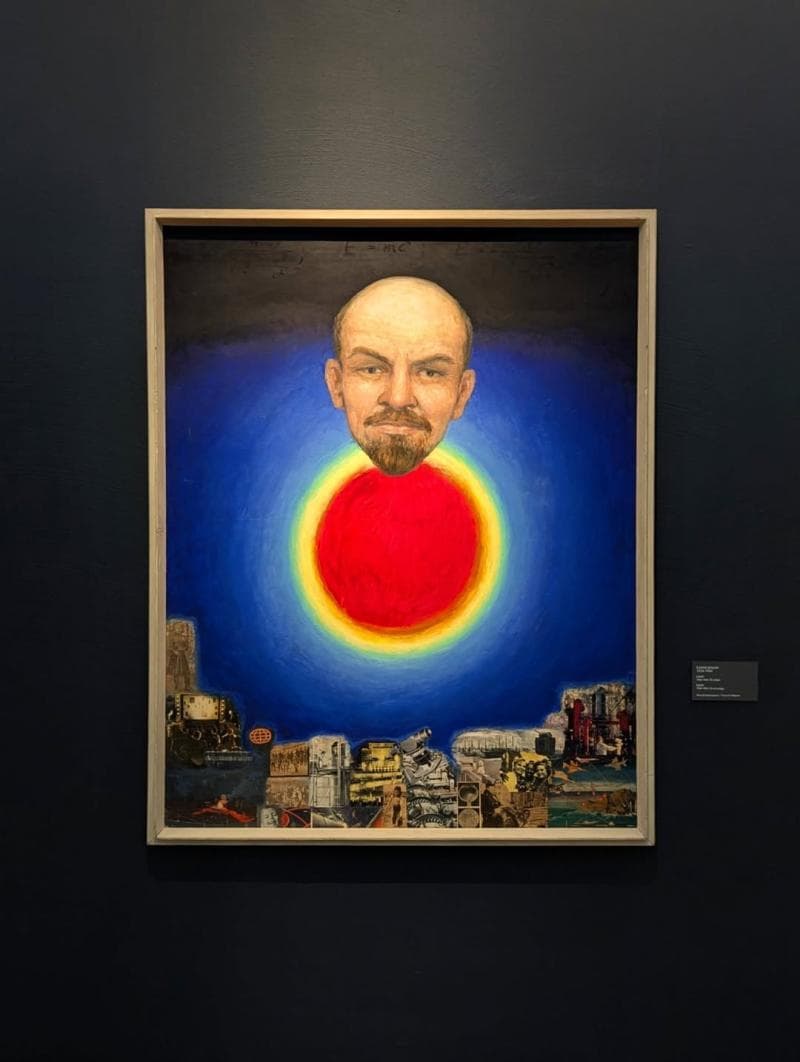
Kumu is distinguished by its seamless integration of art, architecture, and landscape. Finnish architect Pekka Vapaavuori designed the building not to dominate Kadriorg Park but to subtly blend into the natural limestone slope of Lasnamäe hill. Its striking modern facade, composed of limestone, green-patinated copper, and glass, features a unique curved structure and a circular floor plan. Inside, a soaring atrium and a system of ramps connect the museum's different levels, creating a flowing and accessible visitor experience. The museum's collections are thoughtfully arranged across its five public floors, offering a chronological journey through Estonian art. The third floor showcases 'Treasures of Estonian Art' from the 18th century until World War II, while the fourth floor delves into the complexities of Estonian art from 1945 to 1991, starkly contrasting state-sanctioned Socialist Realism with underground non-conformist works. The fifth floor is dedicated to vibrant temporary exhibitions of both Estonian and international contemporary art, serving as a dynamic 'idea laboratory' for new artistic expressions.
Stories, Fun Facts & Local Details
Beyond its impressive collections, Kumu is a place of delightful discoveries. The museum's architectural design features two main entrances – one from the serene Kadriorg Park side and another from the Lasnamäe car park side, reflecting its clever integration into the varied landscape. Its inner courtyard, framed by the building's curved limestone walls, hosts an outdoor sculpture exhibition and, in summer, even offers ping-pong tables for a playful break amidst artistic contemplation. In a fascinating nod to its surroundings, a large recycled metal cistern, designed by Lithuanian sculptor Mindaugas Navakas, sits outside on the Lasnamäe side, deceptively resembling an industrial relic. This artwork challenges perceptions, as the artist views rust as beautiful, a symbol of time and transformation. Kumu isn't just for quiet reflection; it actively fosters engagement through its educational center, offering drop-in workshops for children and adults to explore ceramics, printmaking, and painting. It has also served as a filming location, notably appearing in the 2020 movie 'Tenet', where it depicted a fictional Oslo Freeport.
Visitor Perspective
For the curious traveler, a visit to Kumu is a multi-sensory experience. The journey often begins with a scenic stroll through Kadriorg Park, leading to the museum's grand, yet understated, entrance. The building itself is an artwork, with its wide, ramped walkways making it highly accessible and stroller-friendly, ideal for families. The museum's commitment to accessibility extends to its exhibitions, with detailed wall texts and placards provided in both Estonian and English. Visitors can easily spend half a day exploring its diverse offerings, from historical Estonian masterpieces to provocative contemporary installations. The museum also features a cafe with delightful views, and a well-stocked museum shop. During the summer months, the roof terrace opens, providing spectacular panoramic views of Tallinn and the unique architectural contours of Kumu itself – a perfect spot for a memorable photo. Kumu successfully balances its role as a preserver of national heritage with its aspiration to be a contemporary, interactive space, inviting all to engage with art in meaningful ways.
Coordinates: 24.79639, 59.43639
View on Google Maps💬 How Travelers Describe This Place
Based on community votes
Photogenic
846Must See
564Beautiful
201Unique
121Interesting
87
Traveler Stories
Discover memorable experiences shared by travelers who have visited this place.
No traveler stories yet.
Be the first traveler to share what made this place memorable.
Things to see at Kumu Art Museum



Tour
By
Spot
Discover amazing places around the world. Your journey starts here.
Explore
© 2026 TourBySpot. All rights reserved.