Permanent Exhibitions
Tallinn, Estonia
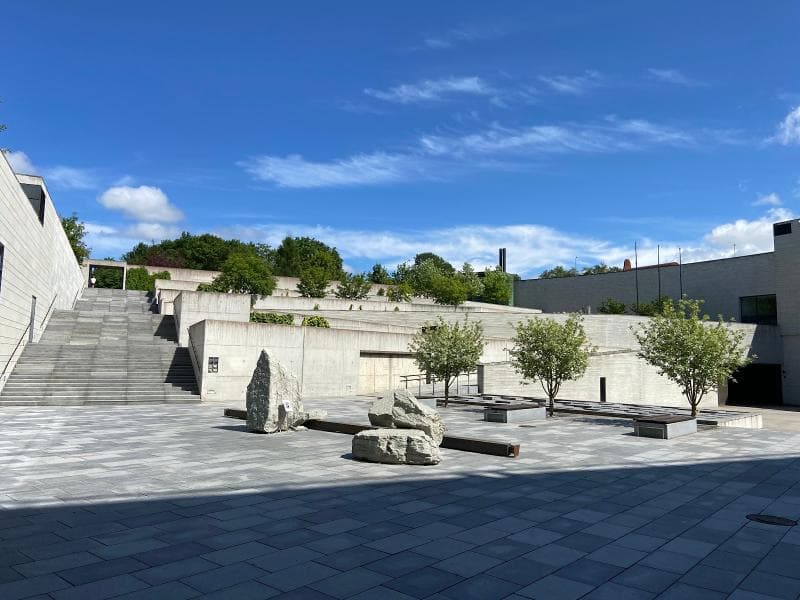
Explore Kumu Art Museum's Permanent Exhibitions in Tallinn, Estonia. Journey through Estonian art from the 18th century to today.
Overview
The Kumu Art Museum, located in Tallinn, Estonia, stands as a beacon of Estonian artistic heritage, serving both as the nation's premier gallery and a vibrant center for contemporary art. Its permanent exhibitions offer a profound journey through the country's rich and often complex art history, spanning from the 18th century to the present day. Housed in a striking, purpose-built structure, Kumu, which is a stylized abbreviation of 'Kunstimuuseum' (museum of art) in Estonian, is more than just a repository of artworks; it is a cultural narrative brought to life through painting, sculpture, and mixed media. The museum earned international acclaim, receiving the prestigious European Museum of the Year Award in 2008, a testament to its exceptional design, innovative exhibitions, and significant cultural contribution.
Visitors to Kumu's permanent exhibitions are invited to explore the intricate layers of Estonian identity, witnessing how artistic expressions have mirrored and shaped societal changes, political upheavals, and cultural evolution. The carefully curated displays unfold across several floors, guiding guests through distinct historical periods and artistic movements, ensuring a comprehensive and engaging experience that resonates deeply with the spirit of Estonia.
History & Cultural Background
The permanent exhibitions at Kumu meticulously chronicle the development of Estonian art within its broader historical and cultural contexts. The narrative begins on the third floor, delving into the 'Landscapes of Identity: Estonian Art 1700–1945'. This section illuminates the intertwined artistic heritage, showcasing how Estonian art evolved through a multi-ethnic history that blends Estonian, Baltic German, and Russian traditions. It highlights the significant role art played in shaping communal identities during periods of profound change, from the era of Baltic German nobility to the emergence of Estonian national art in the early 20th century. Here, one can trace the influences of European art academies on local talents and discover the distinct visual language that began to define the nation.
Moving forward, the fourth floor presents 'Conflicts and Adaptations: Estonian Art of the Soviet Era (1940–1991)' and 'The Future is in One Hour: Estonian Art in the 1990s'. These exhibitions confront the challenging decades of Soviet occupation, showcasing the diverse artistic responses to a restrictive political regime. Visitors can observe the contrasting styles of Socialist realism, which was officially sanctioned, and the nonconformist art that subtly or overtly challenged the status quo. The journey continues into the transformative 1990s, a period of renewed independence and radical artistic experimentation, reflecting the nation's efforts to redefine itself culturally and politically after decades of external rule.
What Makes It Special
What sets Kumu's permanent exhibitions apart is their comprehensive scope and thoughtful chronological arrangement. The museum functions as a living timeline, allowing visitors to visually grasp the evolution of Estonian art from early academic styles to modernism, and from Soviet-era pop art to contemporary expressions. The exhibition design intentionally leads guests through this progression, creating a natural and intuitive educational path.
Beyond the main chronological displays, Kumu integrates several 'project spaces' within its permanent exhibitions. These unique areas are dedicated to in-depth explorations of specific artistic issues, individual artists, or particular phenomena from various eras. For instance, past projects have delved into the artistic process itself, or the fascinating intersections between art and natural sciences, offering fresh perspectives and deeper insights into Estonia's artistic narrative. This multi-layered approach ensures that the exhibitions are not merely a static collection but an evolving dialogue with history and creativity.
Stories, Fun Facts & Local Details
The very building of Kumu is a story in itself. Designed by Finnish architect Pekka Vapaavuori, the museum is ingeniously set into the limestone slope of Lasnamäe hill, harmonizing its grand scale with the serene Kadriorg Park. It was the first purpose-built art museum in Estonia, a significant achievement reflecting the nation's commitment to its cultural legacy. The architect's choice of local materials like dolomite, wood, and copper further grounds the modern structure in its Estonian surroundings.
A fascinating detail for film buffs: Kumu served as one of the filming locations for the fictional Oslo Freeport in Christopher Nolan's 2020 movie 'Tenet', adding a touch of cinematic intrigue to its already impressive resume. This blend of architectural innovation, historical depth, and cultural significance makes the museum a compelling destination, inviting visitors to uncover not just art, but the very soul of Estonia through its visual narratives.
Visitor Perspective
Exploring the permanent exhibitions at Kumu is an immersive and enriching experience that provides a deep understanding of Estonia's artistic identity. As you move from floor to floor, you're not just observing artworks; you're tracing the veins of a nation's history, feeling the pulse of its cultural shifts and artistic resilience. The journey from the contemplative landscapes of early Estonian art to the defiant expressions of the Soviet era and the vibrant energy of post-independence creations offers a profound emotional connection.
The clarity of the exhibition layout, combined with informative contextualization, makes the complex history accessible and engaging for all visitors. You'll leave with an enhanced appreciation for the artists who documented, interpreted, and shaped Estonia's unique story, gaining insights into how art can be a powerful lens through which to understand a country's spirit and its people's enduring creativity. It's an opportunity to connect with the past and understand the roots of contemporary Estonian culture.
Coordinates: 24.79639, 59.43639
View on Google Maps💬 How Travelers Describe This Place
Based on community votes
Unique
872Beautiful
846Interesting
684Photogenic
363Must See
87
Traveler Stories
Discover memorable experiences shared by travelers who have visited this place.
No traveler stories yet.
Be the first traveler to share what made this place memorable.

Tour
By
Spot
Discover amazing places around the world. Your journey starts here.
Explore
© 2026 TourBySpot. All rights reserved.