Sculpture Spaces
Tallinn, Estonia
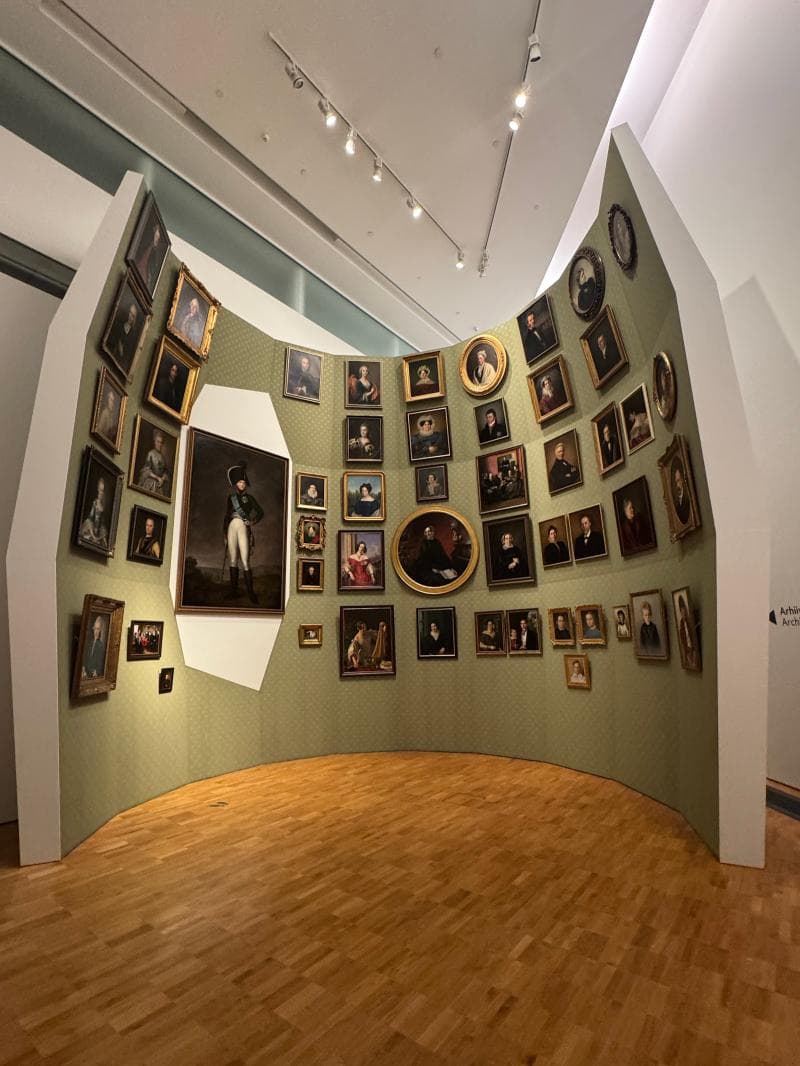
Explore Sculpture Spaces at Kumu Art Museum in Tallinn, Estonia. Discover Estonian sculptural heritage from 18th-century classics to modern works.
Overview
Nestled within the striking modern architecture of the Kumu Art Museum in Tallinn, Estonia, the 'Sculpture Spaces' offer a journey through the evolution of Estonian three-dimensional art. Kumu, the main building of the Art Museum of Estonia, functions as both a national gallery and a contemporary art center, providing a comprehensive survey of Estonian art from the 18th century to the present day.
While not a single, dedicated gallery named 'Sculpture Spaces,' this term beautifully encompasses the various areas where sculpture is thoughtfully presented throughout the museum. From the open-air tranquility of the Outdoor Sculpture Courtyard to integrated displays within its permanent and temporary exhibitions, Kumu showcases nearly 2,000 works by Estonian sculptors. Visitors can discover everything from classical bronze figures to abstract installations, experiencing how these artworks interact with the museum's unique architectural design and the surrounding natural landscape.
History & Cultural Background
The Kumu Art Museum itself, inaugurated in 2006, is a significant landmark, recognized with the prestigious European Museum of the Year Award in 2008. Its establishment addressed a long-standing need for a purpose-built home for Estonia's national art collection. The museum's aim is to preserve and interpret Estonian art, serving as a catalyst for social and cultural dialogue.
The history of Estonian sculpture, as reflected in Kumu's collection, traces back to the 19th century with pioneering figures like August Weizenberg and Amandus Adamson. Their works laid the foundation for a distinctive Estonian artistic identity. Over the decades, particularly during the Soviet occupation period (1940–1991), sculpture, like other art forms, navigated complex socio-political landscapes. Artists often expressed their visions through both state-sanctioned socialist realism and subtle, non-conformist approaches.
The museum's collection continues to grow, encompassing works from the interwar period by artists such as Jaan Koort and Ferdi Sannamees, and post-World War II creations by sculptors like Jaak Soans and Mare Mikoff, illustrating the rich continuum of Estonian sculptural expression.
What Makes It Special
The Kumu Art Museum stands out not only for its extensive collection but also for its innovative approach to exhibition design. The building, designed by Finnish architect Pekka Vapaavuori, is a work of art in itself, harmoniously blending into the limestone slope of Lasnamäe hill and integrating with Kadriorg Park.
What makes the sculpture experience truly special at Kumu is this dynamic interplay between art and architecture. The Outdoor Sculpture Courtyard, for instance, is not merely a display area but an integral part of the museum's fabric. Enclosed by the building's curved limestone walls, it functions as an open-air gallery offering a peaceful respite. Here, classic forms meet modern abstraction, all while the unique acoustics capture the sounds of the nearby park.
Inside, sculptures are not confined to a single section but are strategically placed to complement paintings and installations, offering different perspectives on Estonian art history across Kumu's various floors. This integrated curation ensures that sculpture is seen not in isolation, but as a vital part of the broader narrative of Estonian artistic development.
Stories, Fun Facts & Local Details
One fascinating aspect of Kumu's sculpture collection lies in its ability to tell the story of Estonia's resilience and creative spirit. During periods of political upheaval, artists often found subtle ways to convey meaning, and sculpture provided a powerful medium for expression. The museum's fourth floor, dedicated to Estonian art from 1945 to 1991, provides glimpses into these 'conflicts and adaptations,' showcasing how artists navigated the ideological pressures of the Soviet era.
A contemporary example illustrating the museum's commitment to pushing sculptural boundaries is Jass Kaselaan's 'Square of Dolls' (2014), an installation that innovatively combines traditional bust formats with contemporary installation art, integrating sculpture with sound and photography. This highlights Kumu's role as a laboratory for new ideas for both domestic and international artists.
The museum's setting in Kadriorg Park adds another layer of cultural richness. Visitors can enjoy a stroll through the park, home to Kadriorg Palace, before or after immersing themselves in the art at Kumu, creating a holistic cultural experience in Tallinn.
Visitor Perspective
For a curious traveler, exploring the sculpture spaces at Kumu is an engaging experience that goes beyond simply observing artworks. It's an opportunity to connect with Estonia's artistic soul. The deliberate placement of sculptures, from the grandeur of the main halls to the serene outdoor courtyard, invites contemplation and discovery.
Whether you are an art history enthusiast or simply someone looking to understand Estonian culture through its visual arts, Kumu offers an accessible and enriching environment. The clear explanations provided alongside the works, coupled with the thoughtful curation, make the journey through Estonia's sculptural heritage both informative and emotionally resonant. Expect to spend a couple of hours or more to truly appreciate the breadth and depth of the collections, including the impressive sculptural pieces that punctuate the museum's narrative.
Coordinates: 24.79639, 59.43639
View on Google Maps💬 How Travelers Describe This Place
Based on community votes
Must See
623Unique
545Beautiful
343Photogenic
211Interesting
20
Traveler Stories
Discover memorable experiences shared by travelers who have visited this place.
No traveler stories yet.
Be the first traveler to share what made this place memorable.

Tour
By
Spot
Discover amazing places around the world. Your journey starts here.
Explore
© 2026 TourBySpot. All rights reserved.