High Park
Toronto, Canada
Discover High Park, Toronto, Canada's largest public park. Explore its rare oak savannah, cherry blossoms, free zoo, and rich Indigenous history for an unforgettable urban escape.
Overview
High Park stands as Toronto, Canada's largest public park, encompassing a vast 161 hectares (approximately 400 acres) in the city's vibrant west end. It uniquely blends structured recreational spaces with significant natural landscapes, dedicating about one-third of its expanse to preserved natural environments. This sprawling green sanctuary offers a rich tapestry of activities and attractions, making it an indispensable urban escape for both residents and visitors seeking respite from the city's pace. From tranquil walking trails and meticulously cared-for gardens to a free-admission zoo and diverse sports facilities, High Park ensures an enriching outdoor experience throughout the year. Its ecological distinctiveness, notably featuring a rare oak savannah, sets it apart as more than just a typical city park.
History & Cultural Background
The story of High Park extends far beyond its formal establishment as a public park. Archaeological findings indicate that Indigenous peoples inhabited and carefully managed this land for thousands of years, with evidence dating back as far as 7,000 BCE. The area was historically home to various Indigenous nations, including the Mississaugas of the Credit, Anishnabeg, Chippewa, Haudenosaunee, and Wendat peoples. These communities sustained rich savannah ecosystems through traditional practices, such as controlled burns, which maintained plant life and wildlife for millennia. Essential Indigenous trade routes, including the prominent Toronto Carrying Place Trail, were located nearby, alongside smaller, intricate pathways within the park's present-day boundaries.
High Park's modern history began in 1836 when John G. Howard, Toronto's first city surveyor, and his wife Jemima acquired 165 acres (66 hectares) of land. They christened their estate 'High Park' due to its elevated position overlooking Lake Ontario. Howard designed and constructed Colborne Lodge on the property, which today serves as a historical museum. In a remarkable act of philanthropy in 1873, the Howards bequeathed 120 acres of their estate to the City of Toronto, with the profound condition that it forever remain 'a public park for the free use, benefit and enjoyment of the citizens of the City of Toronto'. The park officially opened its gates to the public in 1876, with additional land acquisitions over subsequent years contributing to its current impressive size.
What Makes It Special
High Park's unique charm stems from its exceptional blend of untamed wilderness and thoughtfully designed recreational spaces. A substantial portion of the park is meticulously preserved as a rare oak savannah, an ecological treasure that once dominated much of the Great Lakes region. This ecological richness is so significant that it has been formally recognized as an Area of Natural and Scientific Interest. Visitors have the opportunity to discover a vibrant array of rare plant species and diverse wildlife, ranging from majestic hawks soaring overhead to tiny hummingbirds and various ground animals.
Among its most celebrated attractions is the exquisite collection of cherry trees, particularly the famous Sakura trees, which annually draw thousands of visitors in spring with their ephemeral white and pink blossoms. Beyond this seasonal spectacle, High Park features Grenadier Pond, a sizable body of water that offers stunning scenic views, picturesque hiking trails along its shores, and prime opportunities for birdwatching. The park is also home to the High Park Zoo, established in 1893, which holds the distinction of being Canada's oldest animal attraction, providing free admission to observe animals such as bison, llamas, peacocks, and capybaras.
Stories, Fun Facts & Local Details
High Park is imbued with a rich collection of fascinating stories and intriguing details. John Howard, the visionary behind the park, and his wife Jemima, rest in a tomb he designed within the park, situated near Colborne Lodge. A curious anecdote tells that the ornate fence gate surrounding their cairn originated from St. Paul's Cathedral in London, England. The very name 'High Park' itself is descriptive, referring to its status as the highest elevation point in the area, offering expansive vistas.
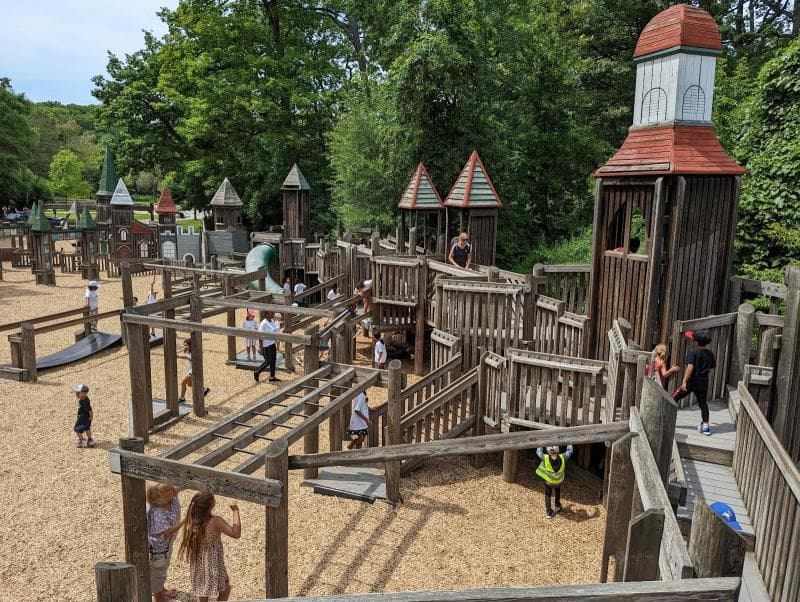
A compelling, though perhaps lesser-known, aspect of the park is the presence of Indigenous burial mounds and archaeological sites, some dating back thousands of years. The Snake Mound, estimated to be 3,000 years old, stands as a poignant testament to the profound historical human presence on these lands. These sites powerfully underscore the continuous stewardship of the land by Indigenous communities, long predating European settlement. For younger visitors, the Jamie Bell Adventure Playground offers a beloved and creatively designed space for imaginative play. Furthermore, the High Park Labyrinth provides a unique, peaceful spot within the park dedicated to walking meditation and quiet contemplation.
Visitor Perspective
High Park is remarkably accessible, offering a cherished natural retreat conveniently situated within Toronto's west end. Visitors can easily reach the park using public transit, with the High Park subway station providing direct access to its entrance. Vehicle access is notably restricted, particularly on weekends and during the popular cherry blossom season, making public transportation or cycling highly recommended alternatives. The park is well-equipped with various amenities, including numerous designated picnic areas, readily available washrooms, and convenient eateries such as the Grenadier Cafe.
Whether you're seeking a serene stroll through the tranquil wooded ravines, an energetic afternoon utilizing the sports facilities, or a delightful family outing to the zoo and playgrounds, High Park thoughtfully caters to a wide array of interests. The park's diverse network of trails, ranging from paved paths to more rugged natural dirt routes, invites extensive exploration and provides intimate glimpses into its preserved natural splendor. For those desiring a more tranquil visit, exploring High Park during the early morning hours or just after twilight often offers a more peaceful experience, away from the peak crowds. It truly is a place where one can quickly become immersed in nature, momentarily forgetting the surrounding urban environment.
Coordinates: -79.462996, 43.646821
View on Google Maps💬 How Travelers Describe This Place
Based on community votes
Unique
921Photogenic
831Must See
357Interesting
232Beautiful
147
Traveler Stories
Discover memorable experiences shared by travelers who have visited this place.
No traveler stories yet.
Be the first traveler to share what made this place memorable.
Things to see at High Park



Tour
By
Spot
Discover amazing places around the world. Your journey starts here.
Explore
© 2026 TourBySpot. All rights reserved.