Grenadier Pond
Toronto, Canada
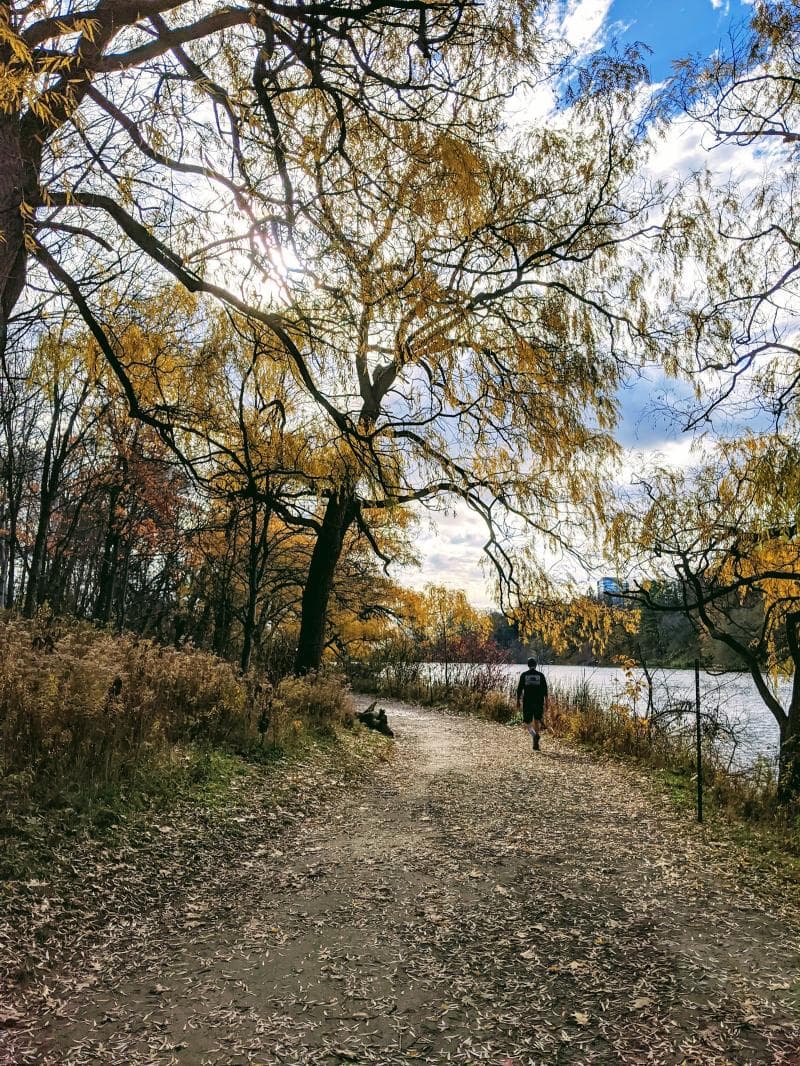
Explore Grenadier Pond in Toronto's High Park, a serene oasis teeming with history, diverse wildlife, and natural beauty. Discover walking trails and learn about this significant wetland in Canada.
Overview
Nestled within the expansive High Park in Toronto, Canada, Grenadier Pond offers a serene escape, inviting visitors to connect with nature in the heart of the bustling city. This impressive body of water stretches approximately a kilometer in length and is roughly half a kilometer wide, making it the largest pond within High Park. Its tranquil surface often mirrors the surrounding greenery, providing picturesque vistas that change with the seasons. A popular destination for both locals and tourists, the pond’s western edge forms a significant boundary of High Park, characterized by its calm and inviting waters.
Far from merely a scenic backdrop, Grenadier Pond is a vibrant ecological hub. It is recognized as an Area of Natural and Scientific Interest (ANSI) and has been designated a Provincially Significant Wetland Complex by the Ontario Ministry of Natural Resources, highlighting its critical environmental value. This designation underscores its importance as one of the few remaining lakefront marshes in Toronto, providing essential habitat for a wide array of wildlife, from diverse fish species to resilient turtles and a multitude of water birds.
History & Cultural Background
The story of Grenadier Pond is deeply intertwined with the development of High Park and the city of Toronto itself. Historically, the pond was once directly connected to Lake Ontario, separated only by a narrow sandbar. This natural link, however, was severed in 1853 to accommodate the construction of the Grand Trunk Railway, and further modified by subsequent road developments. Before the advent of refrigeration, Grenadier Pond served a practical purpose as a source of ice, harvested during the cold Canadian winters.
High Park, including Grenadier Pond, was eventually deeded to the City of Toronto in 1873 by John Howard, with the stipulation that it remain a public park. The pond itself, along with its surrounding property, was formally acquired by the City in 1930. The origin of the pond's intriguing name, 'Grenadier,' is subject to local lore. While a popular, yet unsubstantiated, legend suggests that British Grenadiers drowned in the pond during the War of 1812, historical accounts point to a more prosaic explanation. It is more likely that the pond was named in association with the nearby Fort York garrison or perhaps because Grenadiers from the 1800s frequented the area for fishing.
What Makes It Special
What truly sets Grenadier Pond apart is its exceptional ecological richness within an urban setting. As a Provincially Significant Wetland, it boasts an impressive biodiversity, supporting 22 distinct vegetation communities and serving as home to 53 significant species of flora and fauna. This makes it a crucial sanctuary for wildlife, particularly for water birds and various fish species such as Brown Bullhead, Black Crappie, Largemouth Bass, and Northern Pike.
Conservation efforts have been ongoing for decades to preserve and enhance this vital ecosystem. Starting in 1994, major rehabilitation projects have focused on fish stocking, monitoring water quality, and propagating native shoreline plants. The removal of concrete curbs and the restoration of natural shorelines, particularly along the south side of the pond, have been instrumental in revitalizing habitats. Additionally, the northern end of the pond has been naturalized with wetlands specifically designed to filter incoming water, further contributing to the pond's health. These dedicated efforts ensure that Grenadier Pond remains a thriving natural space, a testament to urban ecological stewardship.
Stories, Fun Facts & Local Details
The most enduring tale associated with Grenadier Pond is the dramatic, albeit fictional, story of British Grenadiers perishing in its icy waters during the War of 1812. This captivating narrative, amplified over generations, has become a cherished piece of local folklore, even inspiring a 'Ballad of Grenadier Pond'. Despite its romantic appeal, the story lacks historical evidence, with the pond's name more likely a nod to nearby military presence.
For many years, ice skating was a cherished winter tradition on the pond, though environmental concerns led to its prohibition. However, after a period of absence, ice skating has been permitted again since 2015, under monitored conditions, allowing a beloved winter pastime to return. While fishing is allowed in designated areas along the pond's southern shoreline, activities like swimming, boating, and allowing dogs into the water are restricted. These regulations are in place to protect the delicate ecosystem and its inhabitants, ensuring the pond remains a peaceful haven for its wild residents.
Visitor Perspective
For the curious traveler, Grenadier Pond offers a multitude of enriching experiences. The pond's perimeter is lined with scenic trails, making it a popular spot for walking, jogging, and contemplative strolls. Birdwatching is a particularly rewarding activity here, with an observation deck near Hillside Gardens offering excellent vantage points to spot species like Wood Ducks, warblers, and the elusive Black-crowned Night-Herons. The mix of open water, marshland, and surrounding forest creates a diverse habitat that draws a wide array of avian visitors, ensuring there's always something new to see.
Visiting Grenadier Pond provides a unique opportunity to immerse oneself in a significant natural landscape without leaving the city. It’s a place where you can witness the delicate balance of an urban ecosystem firsthand, appreciate the quiet beauty of its waters, and reflect on its rich history. Whether seeking a peaceful retreat, a scenic walk, or a chance to observe nature's intricate workings, Grenadier Pond stands as a remarkable testament to Toronto's commitment to preserving its natural heritage.
Coordinates: -79.467778, 43.643333
View on Google Maps💬 How Travelers Describe This Place
Based on community votes
Photogenic
847Must See
831Interesting
685Unique
433Beautiful
211
Traveler Stories
Discover memorable experiences shared by travelers who have visited this place.
No traveler stories yet.
Be the first traveler to share what made this place memorable.

Tour
By
Spot
Discover amazing places around the world. Your journey starts here.
Explore
© 2026 TourBySpot. All rights reserved.