Hallgrímskirkja
Reykjavik, Iceland
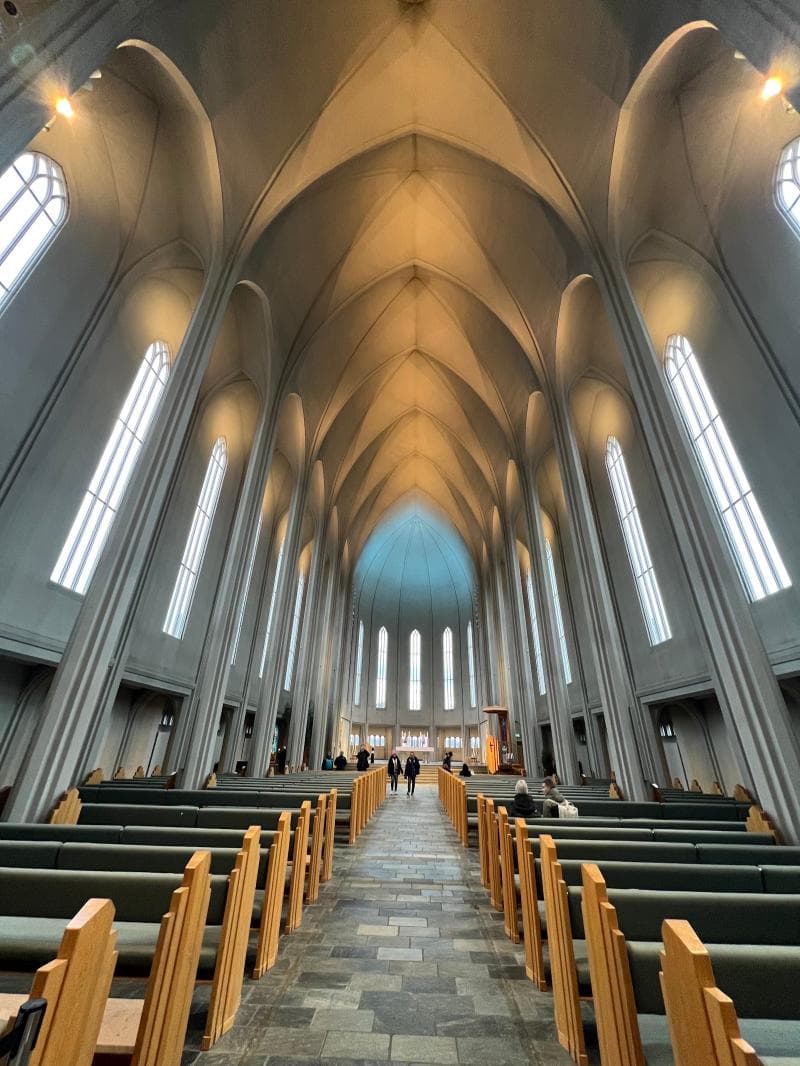
Explore Hallgrímskirkja in Reykjavik, Iceland – an iconic Lutheran church inspired by basalt columns, offering stunning architecture and panoramic city views.
Overview
Dominating the skyline of Reykjavik, Iceland, Hallgrímskirkja is an iconic Lutheran parish church that stands as a powerful symbol of Icelandic identity and architectural ambition. Visible from almost anywhere in the city, its striking, almost otherworldly design draws visitors from across the globe, inviting them to discover its unique blend of natural inspiration and spiritual significance. Perched atop Skólavörðuholt hill, one of Reykjavik's highest natural points, the church offers not only a place of worship but also panoramic views that stretch across the capital, its surrounding mountains, and the vast Atlantic Ocean.
History & Cultural Background
The vision for a grand Lutheran church in Reykjavik emerged in the early 20th century. State Architect Guðjón Samúelsson was commissioned to design Hallgrímskirkja in 1937, with construction commencing in 1945 following World War II. The church was named in honor of Hallgrímur Pétursson (1614–1674), a revered 17th-century Icelandic poet and clergyman whose 'Passion Hymns' left an indelible mark on the nation's spiritual and literary heritage. The building process was a monumental undertaking, stretching over 41 years due to financial constraints and the sheer complexity of its design, finally reaching completion and consecration in 1986. During this lengthy period, parts of the church became usable in stages; the crypt was consecrated in 1948, and the steeple and wings were finished by 1974, long before the entire structure was complete. This long journey of creation highlights the community's enduring dedication to bringing Samúelsson's ambitious vision to life.
What Makes It Special
Hallgrímskirkja's most captivating feature is its architecture, which is deeply inspired by Iceland's dramatic natural landscapes. The basalt columns found throughout the country's volcanic terrain, particularly those at Svartifoss waterfall, served as Samúelsson's primary muse. The church's facade, with its distinctively curved spire and side wings, remarkably mimics these geological formations, creating a sense of natural growth and powerful upward movement. This Expressionist Neo-Gothic style makes the church a unique architectural marvel, a concrete ode to the land it stands upon. Inside, the church houses a magnificent pipe organ, crafted by Johannes Klais of Bonn, Germany. Completed in 1992, this impressive instrument boasts 72 stops and 5,275 pipes, standing 15 meters tall and weighing 25 tons. In front of the church stands a prominent statue of Leif Erikson, the Norse explorer believed to be one of the first Europeans to reach North America. This statue was a gift from the United States to Iceland in 1930, commemorating the 1000th anniversary of the Alþingi, the Icelandic parliament.
Stories, Fun Facts & Local Details
Beyond its architectural grandeur, Hallgrímskirkja holds many fascinating stories and details. It is not only the largest church in Iceland but also one of the tallest structures in the country, measuring 74.5 meters (244 feet). The church tower, in addition to its spiritual purpose, was designed with a practical application in mind from its inception in 1937, serving as a broadcasting tower for radio and telephone companies. The 'Passion Hymns' by Hallgrímur Pétursson, after whom the church is named, remain deeply significant; they are still read over the radio and in churches across Iceland during the Lenten season. Tragically, the church's visionary architect, Guðjón Samúelsson, passed away in 1950 and never lived to see his masterpiece fully completed. Hallgrímskirkja is also a focal point during cultural events, such as Reykjavik's Winter Lights Festival, when its impressive facade becomes a canvas for vibrant light installations.
Visitor Perspective
Hallgrímskirkja is one of Iceland's most visited attractions, welcoming thousands daily. While entry to the church nave is free of charge, there is a modest fee to ascend the tower. This fee, typically around 1000-1500 ISK for adults and 100-200 ISK for children, contributes to the church's maintenance. The tower journey, via an elevator, leads to an observation deck offering breathtaking 360-degree views of Reykjavik, its colorful rooftops, the surrounding seascape, and distant mountains. It's important to note that the tower is usually closed during Sunday mass, which typically takes place from 10:30 to 12:15. Visitors are always encouraged to be respectful, as Hallgrímskirkja remains an active place of worship. Conveniently located at Hallgrímstorg 1, 101 Reykjavik, the church is easily accessible by foot from downtown Reykjavik, and public transport options are also available. The main nave is fully accessible for wheelchair users, with an elevator reaching the 8th floor of the tower, though a short staircase leads to the very top viewing platform.
Coordinates: -21.9266, 64.1417
View on Google Maps💬 How Travelers Describe This Place
Based on community votes
Photogenic
852Beautiful
326Must See
276Unique
270Interesting
146
Traveler Stories
Discover memorable experiences shared by travelers who have visited this place.
No traveler stories yet.
Be the first traveler to share what made this place memorable.
Things to see at Hallgrímskirkja



Tour
By
Spot
Discover amazing places around the world. Your journey starts here.
Explore
© 2026 TourBySpot. All rights reserved.