Grand Park Of Tirana
Tirana, Albania
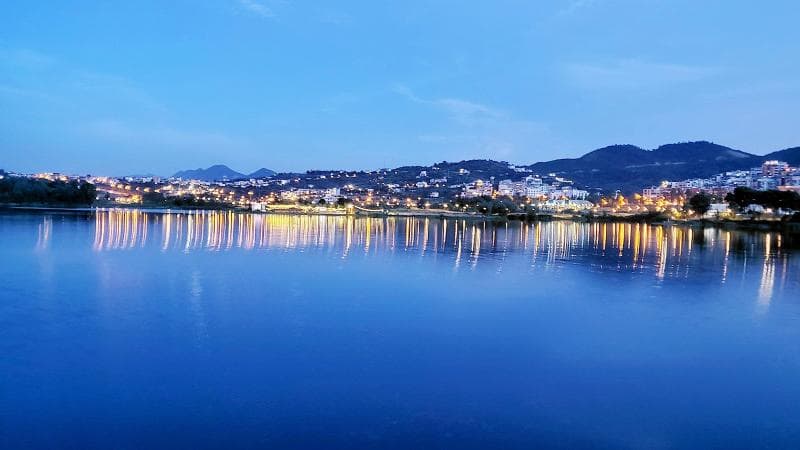
Explore Tirana's Grand Park, Albania: a vast urban oasis with an artificial lake, rich history, diverse botanical gardens, and serene escapes for all.
Overview
The Grand Park of Tirana, locally known as Parku i Madh i Tiranës, stands as a sprawling green oasis in the southern part of Albania's vibrant capital, Tirana. Covering an expansive area of approximately 289 hectares, it serves as the city's 'lung', providing a crucial natural escape from urban life. At its heart lies a significant artificial lake, contributing to the park's tranquil atmosphere and offering a focal point for both recreation and relaxation. This public park is a cherished recreational hub for residents and a fascinating point of interest for visitors, blending natural beauty with cultural and historical significance.
Administered by the Agency of Parks and Recreation of the Municipality of Tirana, the park is easily accessible and integrates seamlessly into the city's green infrastructure. It extends south from the Dëshmorët e Kombit Boulevard, past the University of Tirana, and offers a refreshing contrast to the bustling city center.
History & Cultural Background
The Grand Park of Tirana took shape between 1955 and 1956, based on a Bulgarian plan, during the communist era, with the artificial lake built on volunteer work. Originally, the area was known as 'Gogo stable' and later as the 'Park of St. Procopius', named after the historic St. Procopius Church located within its bounds. The park's development was a significant undertaking aimed at providing the citizens of Tirana with much-needed green space for leisure and recreation.
Throughout its history, the park has accumulated numerous landmarks reflecting Albania's rich past. It is home to the Presidential Palace, formerly known as the Royal Palace, which was initiated by King Zog of Albania and now serves as the official residence of the President. Scattered throughout the park are memorials dedicated to influential Albanian personalities, including the tombs of the Frashëri brothers (Abdyl, Naim, and Sami Frashëri), key figures in the Albanian national awakening, and Faik Konica, a former Albanian Minister to Washington, whose remains were brought to the park in 1998.
Furthermore, the park holds memorials for soldiers fallen during World War II, including British, Australian, and German personnel. A poignant addition in 2020 was the unveiling of a Holocaust memorial, honoring the victims and the Albanians who protected Jewish people from the Nazis.
What Makes It Special
The Grand Park's distinctiveness stems from its harmonious blend of extensive natural landscapes and significant cultural landmarks. The artificial lake, covering 55 hectares, is arguably its most captivating feature, offering opportunities for boating and serving as a serene backdrop for walks. Surrounding the lake are well-maintained paths that invite joggers, cyclists, and strollers to embrace the outdoors.
Beyond the lake, the park boasts a remarkable botanical garden spanning 14.5 hectares, showcasing around 120 species of trees, bushes, and flowers, many native to the Albanian environment. This rich biodiversity contributes to its reputation as the 'Lung of the City'. Additionally, the park complex includes a zoo, a complex of swimming pools, and an amphitheater that hosts various cultural activities, especially during the warmer months.
Stories, Fun Facts & Local Details
For generations, the Grand Park of Tirana has been more than just a park; it is woven into the daily fabric of the city. Locals often refer to it as 'the lungs of Tirana', a testament to its vital role in providing clean air and a natural sanctuary. Many citizens incorporate an early morning run or a leisurely promenade into their daily routines here, highlighting its enduring popularity as a place for physical activity and contemplation.
An interesting historical detail is the volunteer effort that went into constructing the artificial lake's 400-meter-long dam in 1955, preventing overflow into the city. The park also once housed a memorial to Sadijé Toptani, the mother of King Zog of Albania, which was later destroyed by the communist regime in the 1950s. While some urban developments near the park have sparked debate, the commitment to preserving its green spaces remains strong, reflecting Tirana's dedication to community life and environmental balance.
The park is also a social gathering spot, dotted with affordable cafes and restaurants where visitors can enjoy a drink or a meal while soaking in the natural beauty. It's common to see families picnicking, children playing in dedicated playgrounds, and friends meeting up for relaxed conversations.
Visitor Perspective
From a visitor's standpoint, the Grand Park of Tirana offers an inviting and accessible experience. Its well-maintained pathways make it ideal for leisurely walks, invigorating jogs, or scenic bike rides. The park's central location, just a short stroll from the city center and behind the University of Tirana, makes it easily reachable for anyone looking to escape the urban bustle.
Whether you seek peaceful solitude by the artificial lake, a family outing at the playgrounds, or an exploration of diverse plant species in the botanical garden, the park caters to a wide range of interests. Its tranquil atmosphere, coupled with the presence of historical monuments and natural beauty, ensures a rewarding visit. Many find it to be the perfect spot to unwind, read a book under the shade of trees, or simply enjoy the serenity that this expansive green space provides.
Coordinates: 19.82222, 41.31278
View on Google Maps💬 How Travelers Describe This Place
Based on community votes
Must See
545Unique
211Photogenic
123Interesting
74Beautiful
20
Traveler Stories
Discover memorable experiences shared by travelers who have visited this place.
No traveler stories yet.
Be the first traveler to share what made this place memorable.
Things to see at Grand Park Of Tirana



Tour
By
Spot
Discover amazing places around the world. Your journey starts here.
Explore
© 2026 TourBySpot. All rights reserved.