Memorial Sites
Tirana, Albania
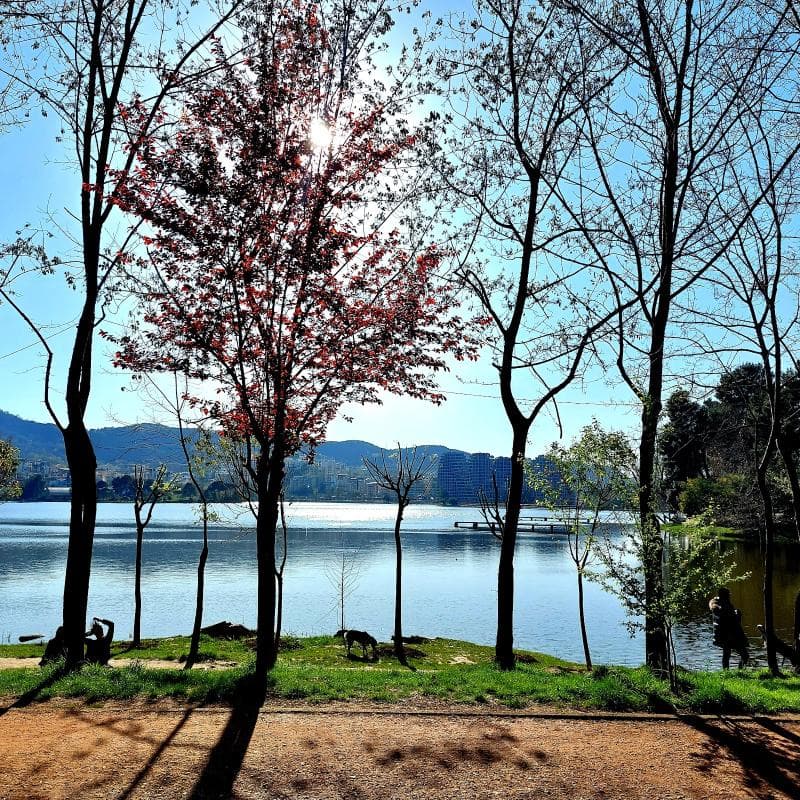
Explore the poignant Memorial Sites within Tirana's Grand Park, honoring wartime sacrifices, national heroes, and Albania's unique 'Besa' during the Holocaust.
Overview
The Grand Park of Tirana, a sprawling green oasis in Albania's vibrant capital, is much more than just a place for leisurely strolls and outdoor activities. Nestled within its serene landscapes is a compelling collection of memorial sites, offering a profound journey through Albania's turbulent and rich history. These memorials serve as poignant reminders of national heroes, wartime sacrifices, and moments of profound human compassion, inviting visitors to reflect amidst the park's natural beauty.
History & Cultural Background
The Grand Park of Tirana, known locally as Parku i Madh, was established between 1955 and 1956, transforming former farmland into a vital public green space for the growing city. Over decades, this park became a repository for various monuments and tombs, reflecting significant periods of Albanian history. The site holds memorials from different chapters of World War II, a testament to Albania's complex role in the conflict. Additionally, it became the resting place for figures crucial to the Albanian National Awakening. The most recent significant addition is the Holocaust Memorial, unveiled in 2020, which highlights a unique and courageous aspect of Albanian wartime history.
What Makes It Special
What sets the Memorial Sites within the Grand Park of Tirana apart is their diverse and sometimes unexpected coexistence. Here, visitors can find memorials dedicated to both Allied and Axis soldiers who fell during World War II, including British and Australian Commonwealth War Graves and a German military cemetery. This unusual juxtaposition speaks volumes about the shifting tides of history and the universal cost of conflict. The park also hosts the tombs of the Frashëri brothers, pivotal figures in the Albanian National Awakening, underscoring the nation's struggle for identity and independence. The Holocaust Memorial is particularly moving, commemorating the six million Jewish victims while also celebrating Albania's extraordinary act of protecting its Jewish population and refugees during the war, embodying the ancient code of 'Besa' – a pledge of honor and hospitality.
Stories, Fun Facts & Local Details
Among the many fascinating stories found here is that of the Frashëri brothers: Abdyl, Naim, and Sami. These 19th-century intellectuals were central to the Albanian National Awakening, advocating for Albanian language, culture, and independence. Their tombs within the park serve as a lasting tribute to their intellectual and patriotic legacy. Another intriguing detail concerns the Tirana Park Memorial Cemetery for British and Australian soldiers. The red marble monument here, inscribed with a dedication to the fallen, was once the gravestone of Albania's communist dictator, Enver Hoxha, before his remains were moved. This repurposing of such a politically charged object speaks volumes about Albania's post-communist transformation and its complex relationship with its past. The Holocaust Memorial stands out for its powerful message, featuring inscriptions in English, Albanian, and Hebrew, quoting the Talmud: 'Whoever saves one life, saves the whole world,' highlighting Albania's unique role as the only Nazi-occupied country where the Jewish population grew during World War II, thanks to the 'Besa' code.
Visitor Perspective
Visiting the Memorial Sites in the Grand Park of Tirana offers a deeply reflective experience. As you walk through the tranquil park, past the shimmering artificial lake and shaded pathways, you encounter these historical markers that punctuate the natural beauty with solemn narratives. The sites encourage a quiet contemplation of Albania's resilience, its profound cultural values like 'Besa,' and the universal human stories of conflict and courage. From the collective memory of war dead to the individual legacies of national heroes, these memorials provide a tangible link to the past, allowing travelers to connect with the soul of Albania beyond its picturesque landscapes. The overall impression is one of respect and remembrance, seamlessly integrated into the daily life of Tirana's beloved green heart.
Coordinates: 19.82172, 41.31438
View on Google Maps💬 How Travelers Describe This Place
Based on community votes
Photogenic
799Beautiful
639Unique
526Must See
366Interesting
181
Traveler Stories
Discover memorable experiences shared by travelers who have visited this place.
No traveler stories yet.
Be the first traveler to share what made this place memorable.

Tour
By
Spot
Discover amazing places around the world. Your journey starts here.
Explore
© 2026 TourBySpot. All rights reserved.