Gediminas Castle Tower
Vilnius, Lithuania
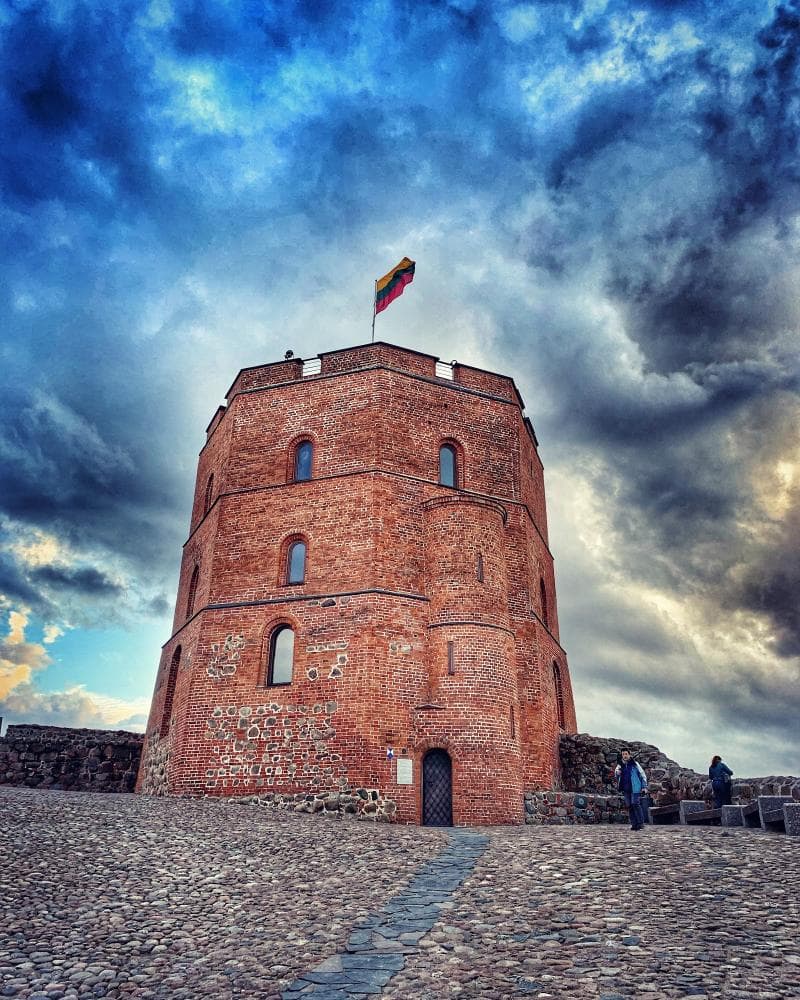
Explore Gediminas Castle Tower in Vilnius, Lithuania, a historic landmark offering panoramic city views, ancient legends, and rich Lithuanian history.
Overview
Perched majestically atop Castle Hill, Gediminas Castle Tower stands as an enduring emblem of Vilnius, Lithuania. This iconic red-brick tower is the last remaining vestige of the Upper Castle, a significant defensive complex that once guarded the capital. Visible from numerous vantage points across the city, it offers more than just a historical glimpse; it provides breathtaking panoramic views of Vilnius Old Town, the winding Neris River, and the surrounding cityscape. The tower serves as a profound connection to Lithuania's storied past, inviting visitors to delve into centuries of history and culture.
History & Cultural Background
The origins of Gediminas Castle Tower are deeply intertwined with the founding of Vilnius itself. According to legend, Grand Duke Gediminas, who ruled from approximately 1316 to 1341, dreamt of an iron wolf howling powerfully on a hill after a successful hunt. A pagan priest interpreted this dream as an omen, signifying that a magnificent city, destined to become the capital of Lithuania, should be built on that very spot.
Archaeological evidence suggests that fortifications existed on Gediminas Hill as early as the 10th century. The first wooden castles were constructed during Gediminas's reign. The shift to a more formidable brick castle occurred later, with the first brick structure being completed around 1409 under Grand Duke Vytautas the Great.
Throughout the centuries, Gediminas Castle and its tower played a crucial role in defending Vilnius against invaders, particularly the Teutonic Knights. Despite numerous sieges and attacks, the tower remained a resilient symbol. Much of the larger castle complex suffered significant damage during wars with Russia in the 17th century, leaving Gediminas Tower as the sole surviving structure of the Upper Castle.
In modern history, the tower gained renewed significance as a symbol of Lithuanian nationalism and independence. The Lithuanian national flag was famously re-hoisted atop the tower on October 7, 1988, during the independence restoration movement, a moment etched into the nation's collective memory.
What Makes It Special
What truly sets Gediminas Castle Tower apart is its unparalleled vantage point. From its observation deck, visitors are treated to a spectacular 360-degree panorama of Vilnius. The view encompasses the charming red rooftops and church spires of the UNESCO-listed Old Town, the tranquil flow of the Neris River, and the contrasting modern skyline in the distance. This perspective offers a unique understanding of Vilnius's urban development through the ages.
Beyond the views, the tower houses a fascinating museum, a branch of the National Museum of Lithuania. Inside, exhibits showcase archaeological findings from the hill and surrounding areas, providing insights into the castle's architectural evolution and its role in Lithuanian heritage. Visitors can explore models illustrating the appearance of Vilnius castles from the 14th to the 17th centuries, along with ancient armaments and iconographic materials.
The tower is not merely a ruin but a living testament to Lithuanian resilience, history, and cultural identity, making it a powerful and educational experience.
Stories, Fun Facts & Local Details
The foundational legend of the Iron Wolf is one of the most beloved stories associated with Vilnius. Grand Duke Gediminas's dream and its interpretation by the pagan priest Lizdeika led directly to the establishment of the city and the castle, forging an inseparable link between the tower and Vilnius's very identity.
Gediminas Tower's significance extends to its representation on the former national currency, the Lithuanian litas, underscoring its role as a deeply cherished national symbol. It has also been immortalized in numerous Lithuanian patriotic poems and folk songs.
The re-hoisting of the Lithuanian flag on the tower in 1988 was a powerful act during the Sąjūdis independence movement. This event served as a beacon of hope and a clear declaration of the nation's desire for freedom, resonating profoundly with the 'Baltic Way' demonstration where millions linked hands across the Baltic states.
Visitor Perspective
Visiting Gediminas Castle Tower is an accessible and rewarding experience. The hill can be ascended either by a pleasant walk along marked paths, offering gradual views of the city, or via a funicular for a quicker and less strenuous journey. The funicular operates from the inner courtyard of the Old Arsenal.
Once inside, the museum's exhibition is designed for both guided and independent exploration, featuring interactive displays, films, and installations. The 'Visual timeline: a look through the Windows of Gediminas Tower' interactive exhibit allows visitors to virtually witness historical events, such as a Crusader attack, and observe how Vilnius has transformed from the 14th to the 21st century.
Whether arriving in the morning to see the city awaken under the rising sun, or in the evening to witness a golden sunset over Vilnius, the views from the tower are captivating. It provides a unique opportunity to connect with Lithuanian history and appreciate the beauty of its capital from a truly iconic landmark.
Coordinates: 25.29069, 54.68676
View on Google Maps💬 How Travelers Describe This Place
Based on community votes
Interesting
869Must See
445Beautiful
416Photogenic
309Unique
33
Traveler Stories
Discover memorable experiences shared by travelers who have visited this place.
No traveler stories yet.
Be the first traveler to share what made this place memorable.
Things to see at Gediminas Castle Tower



Tour
By
Spot
Discover amazing places around the world. Your journey starts here.
Explore
© 2026 TourBySpot. All rights reserved.