Chinatown
Kuala Lumpur, Malaysia
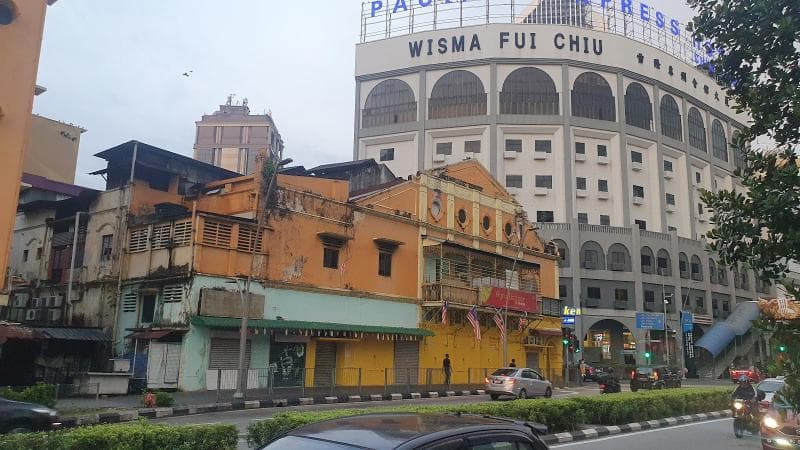
Explore Kuala Lumpur's vibrant Chinatown (Petaling Street), a historic district full of bustling markets, delicious street food, and cultural landmarks in Malaysia.
Overview
Chinatown in Kuala Lumpur, often known locally as Petaling Street (Jalan Petaling), is a lively and historic district that serves as a vibrant hub of culture, commerce, and cuisine. This bustling neighbourhood is centered around its famous market street, which is largely covered by a green roof structure, affectionately dubbed the 'Green Dragon', providing shade for shoppers and vendors alike. It's a place where traditional charm meets modern influences, offering a captivating glimpse into Kuala Lumpur's rich heritage.
History & Cultural Background
The origins of Kuala Lumpur's Chinatown trace back to the late 19th century, evolving from what was initially a humble tin mining camp. Chinese immigrants, primarily Cantonese and Hakkas, were drawn to the area by the burgeoning tin trade, forming the bedrock of what would become the city's commercial and cultural heart. A pivotal figure in its development was Yap Ah Loy, a Chinese Kapitan, who established a tapioca mill on Petaling Street. This entrepreneurial spirit helped solidify the area as a thriving centre for commerce, leading to its nickname, 'Starch Factory Street'. The original Chinatown clustered around Market Square and Jalan Tun H.S. Lee, a location favoured for being less susceptible to floods, which attracted wealthier residents to build their shophouses there. Over the decades, Chinatown has undergone significant revitalization efforts, carefully balancing its multi-generational heritage with contemporary developments, ensuring its historical essence endures.
What Makes It Special
Chinatown Kuala Lumpur stands out for its extraordinary blend of attractions. At its core is the Petaling Street Market, a shopper's paradise brimming with everything from unique souvenirs and clothing to local delicacies. Food enthusiasts will revel in the abundant street food stalls and traditional eateries offering local favourites such as Hokkien mee, Ikan Bakar, asam laksa, curry noodles, and comforting wanton noodles. Beyond the market, the area is dotted with significant cultural landmarks. The Sri Mahamariamman Temple, the oldest functioning Hindu temple in Kuala Lumpur, showcases stunning architecture, while the Guan Di Temple, dedicated to the Chinese God of War, offers a serene spiritual retreat. A true hidden gem is Kwai Chai Hong, or 'Little Demon Lane'. This beautifully restored alleyway transports visitors to the 1960s with its captivating murals and interactive art installations depicting the daily life of Chinatown's past residents. Furthermore, REXKL, a former cinema creatively repurposed into a cultural hub, now houses independent food vendors, art spaces, and a magnificent BookXcess bookstore, adding a modern, artistic layer to the district's character.
Stories, Fun Facts & Local Details
The narrative of Chinatown is woven with fascinating local details. The constant buzz of Petaling Street, often called 'Chinatown KL', is intensified by the friendly haggling that is a common and expected practice between vendors and customers. This dynamic market fosters a diverse community, with traders from Chinese, Indian, Malay, and Bangladeshi backgrounds contributing to its unique tapestry. Strolling through the area reveals traditional shophouses, many of which date back to the early 20th century, their narrow facades telling silent stories of resilience and trade. As dusk falls, Petaling Street truly transforms, with the day market giving way to a vibrant night market. The aroma of sizzling street food fills the air, and lanterns cast a warm glow, creating an atmosphere that is both festive and deeply authentic, inviting locals and tourists to experience its magic.
Visitor Perspective
For visitors, Chinatown Kuala Lumpur offers a rich, multi-sensory experience. To make the most of a visit, consider timing: mornings are ideal for exploring temples in relative tranquility, afternoons are perfect for browsing shops, and evenings are when the night market truly comes alive with its bustling energy and endless food options. Comfortable clothing and walking shoes are highly recommended to navigate the vibrant streets. It's also wise to carry cash, as many street vendors and smaller shops prefer it. While exploring, travelers should remain aware of their surroundings and keep belongings secure, especially in crowded areas. Chinatown is conveniently accessible via public transport, with the MRT/LRT Pasar Seni Station and Monorail Maharajalela Station just a short walk away. Remember that bargaining is an integral part of the shopping experience here. Its proximity to other key attractions like the Central Market and the Sri Mahamariamman Temple also makes it an excellent starting point for a broader cultural exploration of Kuala Lumpur.
Coordinates: 101.69774, 3.14335
View on Google Maps💬 How Travelers Describe This Place
Based on community votes
Interesting
804Photogenic
733Unique
563Must See
100Beautiful
63
Traveler Stories
Discover memorable experiences shared by travelers who have visited this place.
No traveler stories yet.
Be the first traveler to share what made this place memorable.
Things to see at Chinatown



Tour
By
Spot
Discover amazing places around the world. Your journey starts here.
Explore
© 2026 TourBySpot. All rights reserved.