Petaling Street Market
Kuala Lumpur, Malaysia
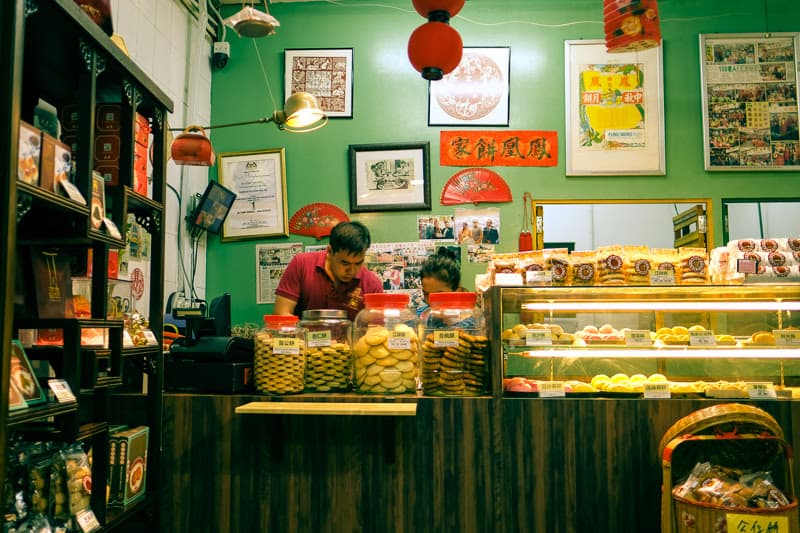
Explore Petaling Street Market in Kuala Lumpur's Chinatown for vibrant street food, unique souvenirs, and a rich cultural experience. Bargain for treasures amidst historic charm.
Overview
Petaling Street Market, nestled in the vibrant heart of Kuala Lumpur's Chinatown, is a bustling, covered thoroughfare that serves as a cornerstone of the city's commercial and cultural landscape. Often affectionately known by its Cantonese name, 'Chee Cheong Kai,' meaning 'Starch Factory Street,' it offers an immersive sensory experience for any curious traveler. The market is characterized by a distinctive green 'dragon' awning that stretches across its length, providing shade and shelter to countless stalls below. This dynamic hub is renowned for its eclectic mix of shopping opportunities, an astonishing array of street food, and a rich tapestry of cultural encounters, making it an essential stop for anyone exploring Kuala Lumpur.
History & Cultural Background
The origins of Petaling Street date back to the tin-rush settlements of the 1860s and 1870s, making it one of Kuala Lumpur's oldest streets. It played a crucial role in the city's early development, particularly after the Selangor Civil War. Kapitan Yap Ah Loy, an influential Chinese headman and one of Kuala Lumpur's founding fathers, established a tapioca mill on this street. This mill provided employment and helped sustain the economy when the tin mines faced challenges, giving the street its enduring Cantonese name. The area, initially built with timber, was devastated by a fire and subsequent flood in 1881. It was then rebuilt with brick shophouses, many of which still stand today, reflecting a blend of traditional Chinese architecture. Over the decades, Petaling Street evolved into a magnet for Chinese immigrants and traders, solidifying its identity as the core of Kuala Lumpur's Chinatown. A significant facelift in 2003 saw the street pedestrianized and adorned with its iconic green canopy and grand Chinese archways, further enhancing its appeal as a cultural and tourist destination.
What Makes It Special
Petaling Street Market offers a unique fusion of commerce, cuisine, and culture that sets it apart. It is famously known as a bargain hunter's paradise, where visitors can haggle for a wide variety of goods, including 'replica' items such as watches, handbags, sneakers, t-shirts, and numerous souvenirs. The act of bargaining itself is an integral part of the experience, often involving lively interactions with witty stall owners.
Beyond shopping, the market is an undeniable haven for food lovers. The air is thick with the tantalizing aromas of Malaysian and Chinese street food. Culinary delights range from the iconic charcoal-fried Hokkien Mee and comforting Hon Kee Porridge to refreshing Air Mata Kucing (chilled winter melon and longan drink) and traditional snacks like *muah chee*. Many eateries have been serving customers for decades, preserving authentic flavors that attract both locals and tourists.
Moreover, Petaling Street is more than just a marketplace; it is a vibrant cultural and historical nexus. Within a short walk, visitors can discover significant religious sites, including the revered Sri Mahamariamman Temple, Kuala Lumpur's oldest Hindu temple dating from 1873, and the Taoist Guan Di Temple and Sin Sze Si Ya Temple. This close proximity of diverse places of worship underscores the rich multicultural heritage of the area, providing a spiritual contrast to the market's energetic commerce.
Stories, Fun Facts & Local Details
- The Cantonese name for Petaling Street, 'Chee Cheong Kai,' directly translates to 'Starch Factory Street,' a tribute to the tapioca mill operated by Kapitan Yap Ah Loy in the late 19th century.
- The striking green 'dragon' awning that covers the market was installed as part of an RM11 million revitalization project in 2003, which also transformed the street into a pedestrian-only zone.
- Bargaining is not just accepted but expected on Petaling Street. Vendors often quote initial prices 50-70% higher than what they are willing to accept. A polite approach, a friendly smile, and a willingness to walk away can often lead to a better deal.
- The market is surrounded by a rich historical landscape; the Sri Mahamariamman Temple, the city's oldest Hindu temple, was founded in 1873, and the Sin Sze Si Ya Temple is Kuala Lumpur's oldest Taoist temple, built by Yap Ah Loy himself.
- You can find enduring family businesses that have stood the test of time, such as Madam Tang's Muah Chee, which has been delighting customers with its traditional glutinous rice balls for over 50 years.
- Beyond the traditional stalls, restored alleyways like 'Project Kwai Chai Hong' and hidden cafes and speakeasy bars now blend new trends with the area's deep-rooted heritage.
Visitor Perspective
For visitors, Petaling Street Market offers an unforgettable experience, particularly during the late afternoon and evening when the market truly comes alive. While some stalls open around 10:00 AM, the majority set up in the mid-to-late afternoon, and the atmosphere becomes most vibrant and illuminated after dusk. The market can get quite crowded, especially at night and on weekends, so comfortable footwear is advisable for navigating the bustling lanes. It's centrally located within Kuala Lumpur's Chinatown and is easily accessible via various public transport options, including several train stations like Pasar Seni and Masjid Jamek, which are within walking distance.
While the market is well-known for its wide array of goods, including popular 'replica' or 'fake branded products,' visitors should be aware that the quality of these items can vary significantly. However, for those seeking unique souvenirs, affordable fashion, or an immersive cultural experience, Petaling Street is an absolute must-visit. It offers a genuine glimpse into the energetic trade and multicultural heritage that defines Kuala Lumpur.
Coordinates: 101.69774, 3.14335
View on Google Maps💬 How Travelers Describe This Place
Based on community votes
Must See
998Unique
903Beautiful
481Interesting
458Photogenic
197
Traveler Stories
Discover memorable experiences shared by travelers who have visited this place.
No traveler stories yet.
Be the first traveler to share what made this place memorable.

Tour
By
Spot
Discover amazing places around the world. Your journey starts here.
Explore
© 2026 TourBySpot. All rights reserved.