Central Market
Kuala Lumpur, Malaysia
Explore Central Market in Kuala Lumpur, Malaysia – a historic cultural hub offering unique Malaysian arts, crafts, and heritage experiences in an iconic Art Deco building.
Overview
Nestled in the bustling heart of Kuala Lumpur, Malaysia, within the vibrant district often associated with Chinatown, lies Central Market, locally known as Pasar Seni. This iconic landmark has evolved from its humble beginnings as a wet market into a vibrant hub celebrating Malaysian culture, art, and craftsmanship. Housed in a distinctive Art Deco building, Central Market is not merely a shopping destination but a living testament to the nation's rich multicultural heritage. It offers a unique blend of traditional arts, handmade crafts, and local delicacies, all under one comfortably air-conditioned roof, providing a refreshing escape from the city's tropical heat.
History & Cultural Background
The story of Central Market begins in 1888 when it was established as a simple wet market, under the guidance of Yap Ah Loy, the city's Chinese Kapitan. It served as a crucial trading post for fresh produce, meat, and fish for Kuala Lumpur's growing population and tin miners. As the city flourished, the market expanded, leading to the construction of the current Art Deco-style building, which was completed in 1937. By the 1980s, facing the threat of demolition amidst urban redevelopment plans, the Malaysian Heritage Society successfully campaigned for its preservation. The Federal Government then invested in its refurbishment, transforming it into the cultural center we know today, dedicated to promoting Malaysian arts and handicrafts. Central Market is now officially designated as a Heritage Site, safeguarding its historical charm and cultural significance. Reflecting Malaysia's diverse ethnic tapestry, the market features distinct zones such as Lorong Melayu, Straits Chinese (or Lorong Cina), and Little India, each showcasing the unique cultural influences of these communities.
What Makes It Special
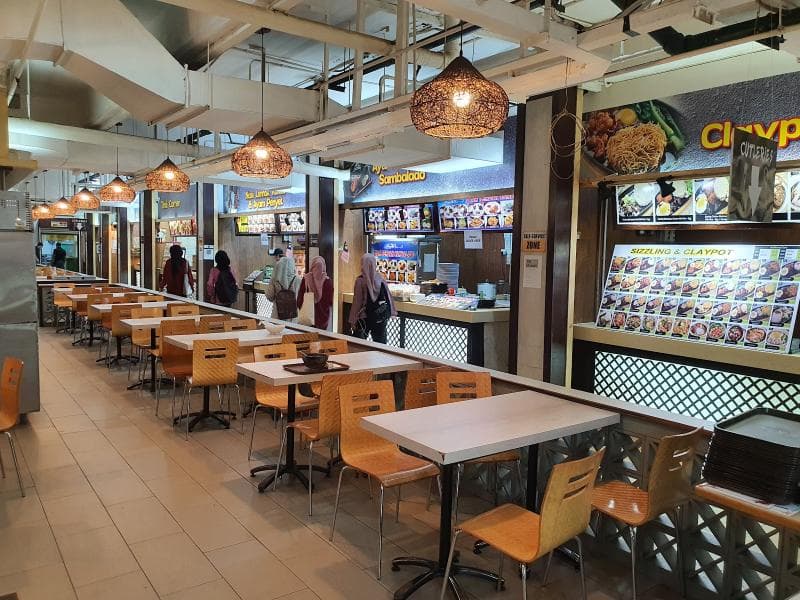
Central Market distinguishes itself from modern shopping malls by prioritizing an immersive cultural experience. It is a treasure trove of authentic Malaysian handicrafts, exquisite batik clothing, and traditional textiles, alongside a diverse array of local artwork. The market's comfortable, air-conditioned interior provides a welcome respite from Kuala Lumpur's often humid climate, allowing visitors to explore at their leisure. Adjacent to the main building, Kasturi Walk offers a covered pedestrian area lined with additional stalls, street food vendors, and often features live music or cultural performances, creating a lively alfresco ambiance. The Central Market Annexe, located at the back, further enriches the experience with local art galleries, temporary exhibitions, and interactive cultural workshops, including opportunities for DIY batik painting. For culinary adventurers, an upstairs food court (Makan Hall) serves a wide variety of Malaysian classics and other cuisines. Beyond its daily offerings, Central Market frequently hosts special cultural events and festivals, such as Chinese New Year, Hari Raya, the Art and Craft Festival, and the Borneo Native Festival, further cementing its role as a vibrant cultural focal point.
Stories, Fun Facts & Local Details
Did you know that Central Market was once referred to as 'Pasar Besar,' or the 'Great Market,' serving as the primary source for daily necessities? Its transformation from a bustling 'wet market' to a sophisticated cultural center is a remarkable story of urban preservation. The building's iconic Art Deco architecture, completed in 1937, beautifully blends modern design with traditional Malaysian motifs, making it a visual delight for enthusiasts. The successful petition by the Malaysian Heritage Society in the 1980s to save it from demolition is a significant local detail, highlighting the community's dedication to preserving its history. Today, the market attracts between 10,000 and 15,000 visitors daily, showcasing its enduring popularity. Visitors can engage in unique cultural activities like trying their hand at DIY batik painting, an art form deeply ingrained in Malaysian heritage. Among the myriad souvenirs, some stalls offer personalized items, such as tiny names inscribed on a grain of rice, creating truly memorable keepsakes. An often-appreciated amenity for travelers is the market's surprisingly clean and free public toilets.
Visitor Perspective
Central Market is conveniently open daily from 10 AM to 10 PM, offering flexibility for visitors. It is easily accessible via public transport, with the Pasar Seni LRT and MRT station just a short walk away. For a more relaxed experience, visiting on weekdays is recommended, as weekends can be particularly lively, especially during cultural events. While exploring, travelers will find that bargaining is an accepted practice, though always encouraged to be done respectfully. It is advisable to carry some cash, as not all vendors may accept card or digital payments. The market provides an excellent opportunity to engage with local artisans and vendors who are often happy to share stories about their crafts and culture, enriching your visit. After browsing, the food court on the upper level offers a perfect spot to savor local cuisine and recharge. Central Market's strategic location also places it within walking distance of other significant attractions like Petaling Street (Chinatown), Merdeka Square, the River of Life, and Masjid Jamek, making it an integral part of any cultural exploration of Kuala Lumpur.
Coordinates: 101.6907, 3.1408
View on Google Maps💬 How Travelers Describe This Place
Based on community votes
Must See
934Beautiful
276Photogenic
152Unique
30Interesting
16
Traveler Stories
Discover memorable experiences shared by travelers who have visited this place.
No traveler stories yet.
Be the first traveler to share what made this place memorable.

Tour
By
Spot
Discover amazing places around the world. Your journey starts here.
Explore
© 2026 TourBySpot. All rights reserved.