Cathedral Of The Resurrection Of Christ
Podgorica, Montenegro
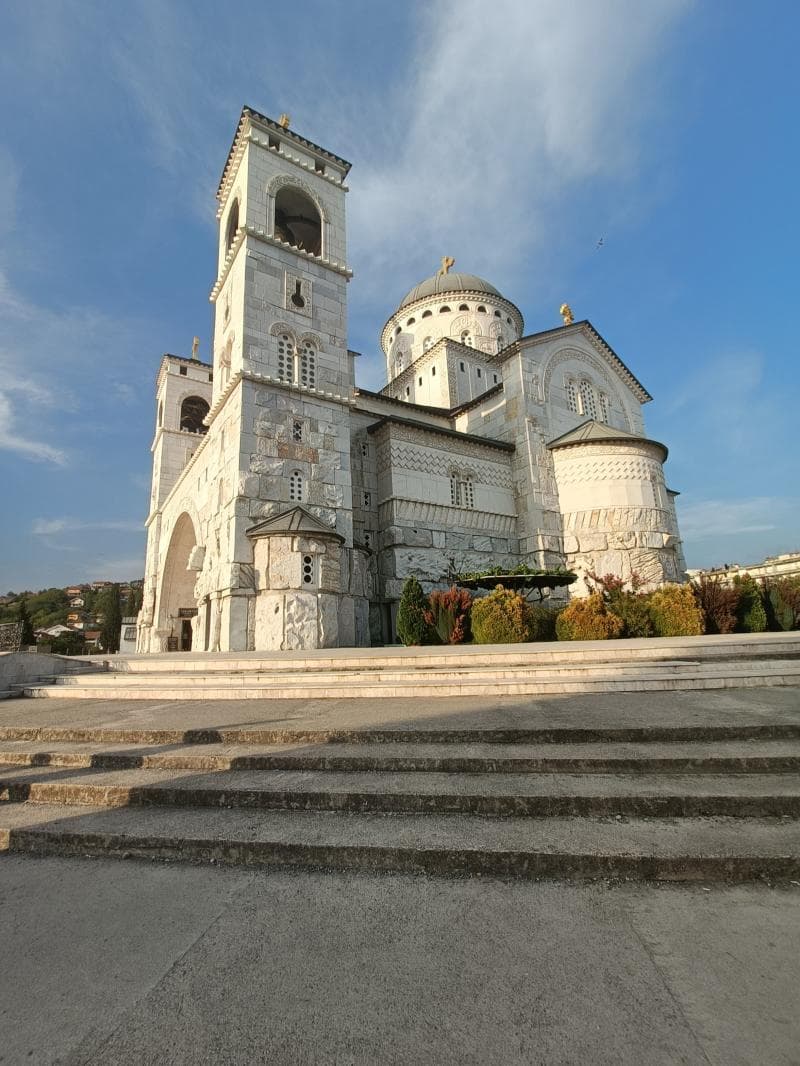
Discover the Cathedral of the Resurrection of Christ in Podgorica, Montenegro. Explore its history, unique Byzantine architecture, and stunning frescoes.
Overview
In the vibrant heart of Podgorica, Montenegro, stands the majestic Cathedral of the Resurrection of Christ, known locally as Saborni Hram Hristovog Vaskrsenja. This relatively new, yet profoundly significant, Eastern Orthodox church serves as the cathedral for the Metropolitanate of Montenegro and the Littoral of the Serbian Orthodox Church. Its imposing silhouette, characterized by towering spires and a grand dome, has become an iconic landmark, drawing the eye and inspiring reverence. A testament to enduring faith and artistic dedication, the cathedral offers visitors a rich tapestry of history, spiritual devotion, and architectural splendor.
Completed in 2013 after two decades of meticulous construction, the cathedral is not merely a place of worship; it is a powerful symbol of religious freedom and the resurgence of Orthodox Christianity in the region. Its design masterfully blends traditional Byzantine influences with local architectural elements, creating a unique and captivating edifice that speaks volumes about Montenegro's cultural identity. Every detail, from its colossal bells to its intricate interior frescoes, invites contemplation and leaves a lasting impression on all who step inside. It stands as a beacon of hope, welcoming pilgrims and curious travelers from across the globe.
History & Cultural Background
The journey to realize the Cathedral of the Resurrection of Christ was a long and arduous one, steeped in the tumultuous history of the 20th century. The idea of building a grand Orthodox temple in Podgorica predates World War II, but conflict and subsequent communist rule repeatedly thwarted these early ambitions. After the war, the communist government confiscated church-owned land, and the proposed temple struggled to fit into the city's urban plans, presenting significant hurdles to its construction.
However, with the blessing of Metropolitan Amfilohije, construction finally commenced in 1993, based on the conceptual design by architect Dr. Predrag Ristić. The groundwork, including the foundations and crypt, had been in preparation for a long time. The consecration of its foundations in 1994, attended by prominent religious leaders including Alexy II of Moscow and Metropolitan Amfilohije, marked a pivotal moment. The cathedral's completion and consecration in 2013 was a monumental event, coinciding with the 1700th anniversary of the Edict of Milan, an edict that granted freedom of religion throughout the Roman Empire. This timing underscored the cathedral's profound significance as a symbol of renewed religious liberty and resilience in Montenegro after decades of suppression.
What Makes It Special
The Cathedral of the Resurrection of Christ is a remarkable architectural and artistic achievement. Its exterior is dominated by two pyramidal towers, or 'pirge,' each standing at an impressive 26.7 meters high, housing a total of 17 bells. Among these is the largest bell on the Balkan Peninsula, weighing approximately 11 tons. The cathedral's maximum height reaches 41.5 meters, culminating in a central dome that beautifully shapes Podgorica's skyline. The use of white natural stone for the exterior creates a striking visual, with an unusual contrast between roughly hewn stone at the base and intricately carved details higher up.
Step inside, and you are immediately immersed in a universe of breathtaking artistry. The interior is lavishly adorned with iconographic murals painted in fresco technique, often set against shimmering gold backgrounds. The walls and vast domes are covered with an extraordinary array of biblical stories, figures, and significant events from Orthodox Church history. Marble floors and furnishings add to the cathedral's opulent feel, creating a truly meditative and awe-inspiring atmosphere. The entrance portal itself is a masterpiece of mosaic art, featuring a prominent scene of Christ's Resurrection, to which the temple is dedicated.
Stories, Fun Facts & Local Details
Beyond its grand scale and intricate art, the Cathedral of the Resurrection of Christ holds a few fascinating details that add to its unique character. One of the most talked-about elements is a controversial fresco located in the apse. Among the traditional depictions of eternal flames and biblical figures, some viewers have identified three figures resembling Marshal Tito, Karl Marx, and Friedrich Engels burning in hell. This portrayal, while unusual for Orthodox iconography, sparked considerable debate upon the cathedral's consecration, seen by some as a potent symbol of liberation from a past regime that persecuted believers.
Another notable feature is the cathedral's substantial collection of bells. The largest, weighing 11 tons, is not only impressive for its size but also holds the distinction of being the biggest bell in the entire Balkan Peninsula. The cathedral also includes two smaller churches, or 'paraklis,' at the foot of its towers, dedicated to Saint Simeon Mirotočivom and Saint Jovan Vladimir, along with a baptistery also dedicated to Saint Simeon Mirotočivom. The cathedral's crypt, a vital part of its foundation, also serves as the final resting place for Metropolitan Amfilohije Radović, a significant religious leader of the region who passed away in 2020.
Visitor Perspective
Visiting the Cathedral of the Resurrection of Christ offers a profound experience for any traveler. As you approach, the sight of its twin towers, gleaming dome, and golden crosses against the Podgorica sky is truly captivating. Inside, the sheer scale and richness of the frescoes and mosaics can feel overwhelming, in the best possible sense, transforming the space into a visual narrative of Eastern Christian theology. The deliberate blend of traditional and distinctive architectural choices gives the cathedral a unique character that sets it apart from other Orthodox churches built in modern times.
For those interested in exploring its spiritual aura, the cathedral is accessible during daytime hours. Visitors are encouraged to observe respectful conduct and dress modestly, avoiding strapless tops, shorts, or short skirts, in accordance with the customs of a sacred space. Whether you are a pilgrim seeking spiritual renewal or a curious traveler eager to delve into Montenegro's rich cultural and religious heritage, the Cathedral of the Resurrection of Christ promises an unforgettable encounter with an exceptional monument of faith and art.
Coordinates: 19.24825, 42.445694
View on Google Maps💬 How Travelers Describe This Place
Based on community votes
Beautiful
476Unique
465Interesting
276Must See
128Photogenic
126
Traveler Stories
Discover memorable experiences shared by travelers who have visited this place.
No traveler stories yet.
Be the first traveler to share what made this place memorable.
Things to see at Cathedral Of The Resurrection Of Christ



Tour
By
Spot
Discover amazing places around the world. Your journey starts here.
Explore
© 2026 TourBySpot. All rights reserved.