Carouge
Geneva, Switzerland
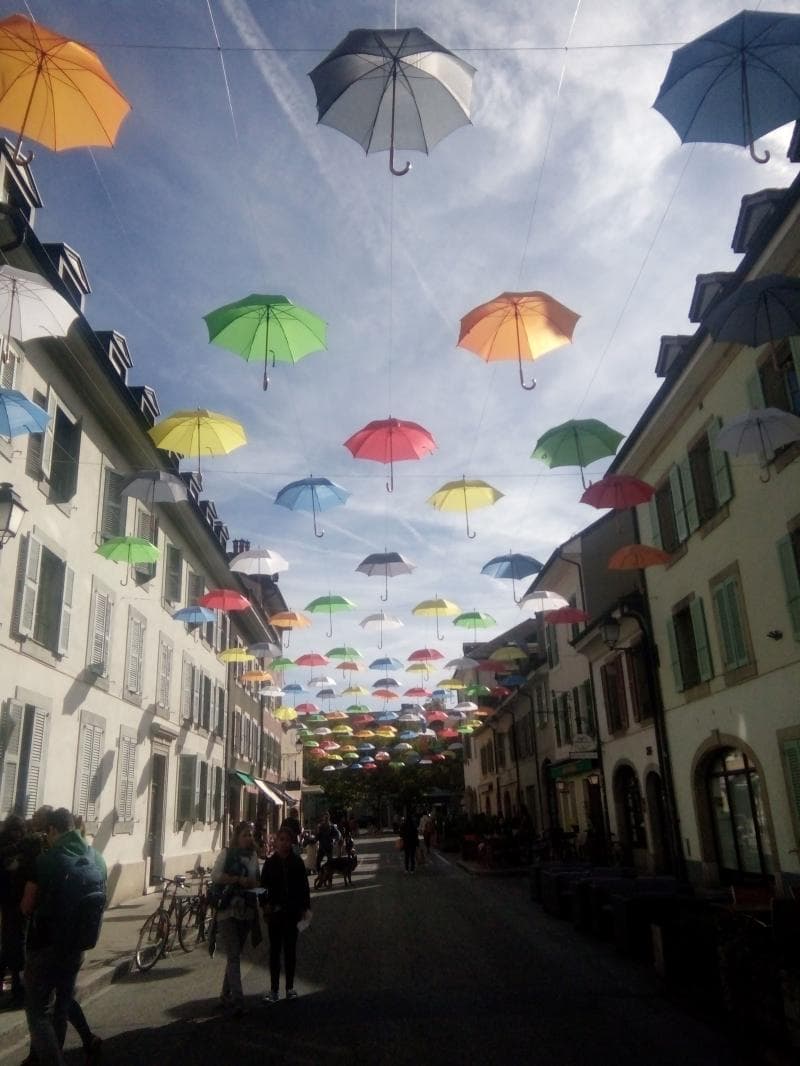
Discover Carouge, Geneva, Switzerland's 'Little Italy' with its unique Sardinian architecture, artisan shops, vibrant markets, and bohemian charm. Explore its history and lively atmosphere.
Overview
Step across the Arve River from Geneva, Switzerland, and you'll find yourself transported to Carouge, a charming and distinctly Mediterranean-flavored district often affectionately called 'Geneva's Little Italy' or its 'Greenwich Village.' [29, 34] This vibrant area, while now part of the Canton of Geneva, maintains an independent spirit and a unique character that sets it apart from its larger neighbor. [28, 35] Its well-aligned streets, pastel-colored buildings, and green shutters evoke the warmth of Southern Europe, creating a bohemian oasis filled with artisan workshops, inviting cafes, and lively markets. [26, 30, 31]
History & Cultural Background
The story of Carouge is one of ambition and cultural exchange. Its modern roots trace back to the 18th century when King Victor Amadeus III of Piedmont-Sardinia envisioned it as a planned city. [27, 33, 35] Founded between 1760 and 1770 and granted city status in 1786, Carouge was strategically positioned to compete with—and perhaps even overshadow—Calvinist Geneva. [27, 35, 46] The House of Savoy aimed to establish a thriving commercial hub, attracting new residents with promises of religious tolerance and abolishing tolls to encourage trade. [35, 46]
Carouge quickly flourished, drawing diverse communities including a significant Jewish population and Protestants, who could practice their faith freely within this Catholic city. [35] Its architecture became a harmonious blend of Sardinian and Piedmontese influences, featuring a characteristic grid-like street plan and houses with inner courtyards. [27, 28, 32] Over its history, Carouge experienced periods under French rule during the Napoleonic Wars. [27, 35] Following Napoleon's downfall, the city was briefly reincorporated into the Kingdom of Sardinia before the Treaty of Turin in 1816 transferred it to the Canton of Geneva, officially making it part of the Swiss Confederation. [27, 28, 37]
What Makes It Special
What truly distinguishes Carouge is its distinctive architecture and palpable atmosphere. Unlike Geneva's more austere, traditional Swiss feel, Carouge boasts a Mediterranean charm with its two and three-story pastel-colored buildings, wrought-iron balconies, and quaint inner courtyards. [26, 30, 32] This unique urban planning, a legacy of its Sardinian founders, is preserved as part of Switzerland's national cultural heritage. [28, 42] The district is a haven for artists and artisans, with countless boutiques, galleries, and workshops lining its streets, particularly Rue Saint-Joseph and Rue Ancienne. [28, 30, 44] These independent shops offer everything from antique treasures to handmade crafts, fostering a creative and bohemian spirit. [31, 32] Carouge also stands out for its lively evenings and weekends; unlike many areas of Geneva that quiet down, Carouge's cafes, bars, and restaurants often remain bustling well into the night, especially on Sundays. [28]
Stories, Fun Facts & Local Details
Carouge's rich history is peppered with fascinating anecdotes. One popular tale recounts a cannonball from the Napoleonic Wars, fired by Austrian troops in 1815, supposedly lodging itself into a façade on Rue St-Joseph. Some historians suggest it might still be hidden within the walls. [35, 43] When Carouge was reluctantly integrated into the Canton of Geneva in 1816, legend has it that the recalcitrant Carougeois, still loyal to the House of Savoy, closed their shutters in protest on the Swiss national holiday, a symbol of their enduring independent spirit. [35]
The vibrant markets are a cornerstone of Carouge's local life. The Place du Marché hosts popular weekly markets, offering a sensory delight of fresh produce, local honey, and artisanal goods. [26, 28] The Saturday market is a significant social event, while the Wednesday market provides a quieter, more local experience. [28] Visitors can often find hidden courtyards and open galleries on Thursday evenings, adding to the district's unique charm and discovery. [26]
Visitor Perspective
For the curious traveler, Carouge offers a delightful escape into a world seemingly far removed from central Geneva. Easily accessible by a short tram ride across the Arve River, it invites leisurely exploration. [28, 29] A stroll through its narrow, sun-drenched streets reveals a treasure trove of independent boutiques, antique dealers, and artist studios. [30, 31] The heart of Carouge, Place du Marché, is a perfect spot to savor coffee or enjoy a meal al fresco, soaking in the lively atmosphere. [26, 28] In the evenings, the district truly comes alive, with its numerous bars and restaurants offering a more relaxed and vibrant nightlife than much of Geneva. [28, 32] Whether you're seeking cultural insights, unique shopping, delicious food, or simply a charming stroll, Carouge provides a memorable experience that feels both historic and wonderfully contemporary. [33]
Coordinates: 6.1411, 46.1829
View on Google Maps💬 How Travelers Describe This Place
Based on community votes
Photogenic
1.0kUnique
869Must See
416Interesting
309Beautiful
33
Traveler Stories
Discover memorable experiences shared by travelers who have visited this place.
No traveler stories yet.
Be the first traveler to share what made this place memorable.
Things to see at Carouge



Tour
By
Spot
Discover amazing places around the world. Your journey starts here.
Explore
© 2026 TourBySpot. All rights reserved.