Place Du Marché
Geneva, Switzerland
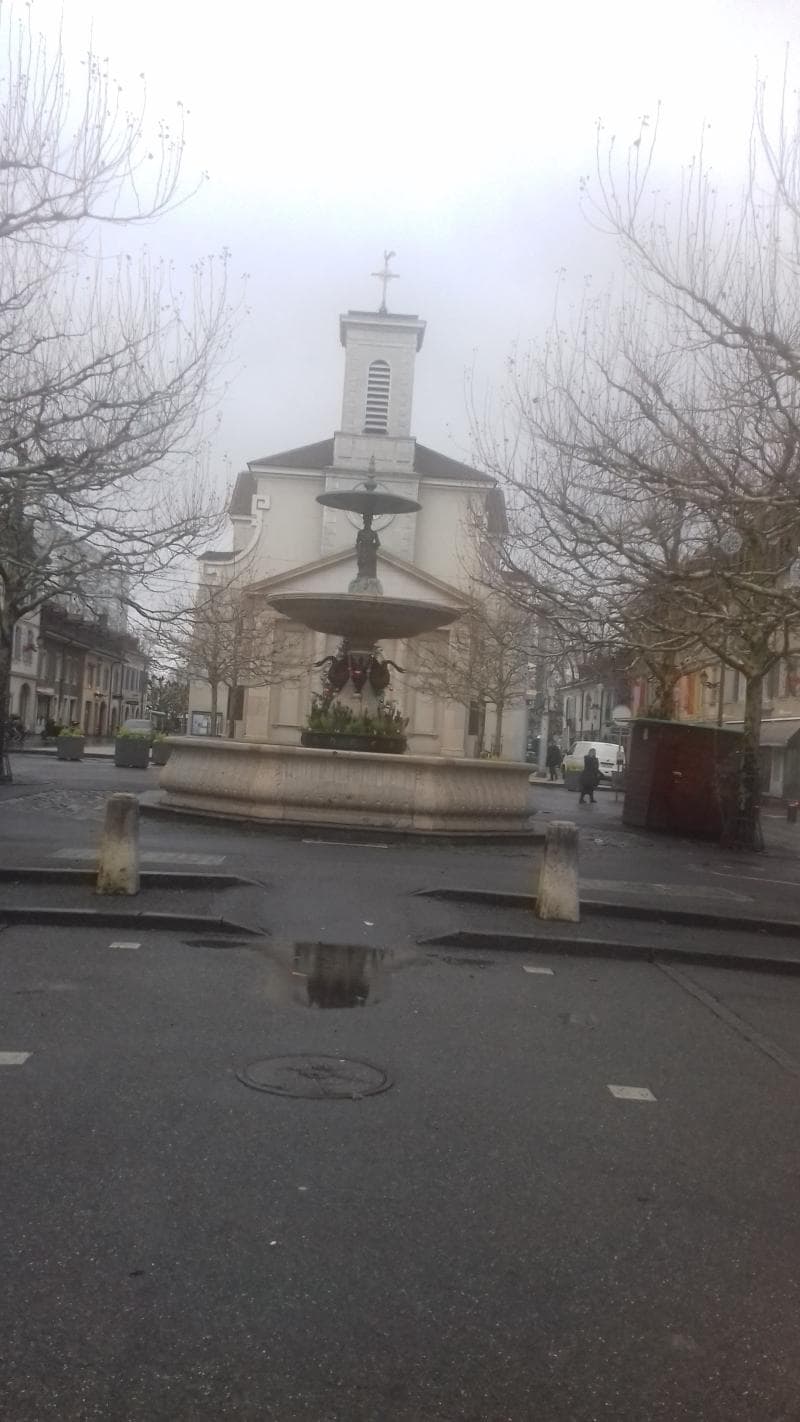
Discover Place du Marché, the historic heart of Carouge, Geneva, Switzerland. Explore its vibrant market, unique Sardinian architecture, and bohemian artisan culture.
Overview
Place du Marché, nestled within the vibrant district of Carouge in Geneva, Switzerland, offers a captivating escape into a world brimming with Mediterranean charm and distinct character. This central square is not merely a public space; it is the pulsating core of Carouge, renowned for its enduring market traditions and unique ambiance that gracefully sets it apart from the more traditional cityscape of Geneva. Ringed by picturesque 18th-century buildings with their characteristic pastel facades and shuttered windows, the square exudes a welcoming, old-world feel. Visitors stepping onto its cobbled expanse immediately sense a relaxed, almost southern European rhythm, a testament to Carouge's rich and intriguing history. It serves as a natural gathering point for locals and a delightful discovery for travelers, embodying the convivial spirit of this historic town.
History & Cultural Background
The story of Place du Marché is inextricably linked to the captivating history of Carouge. Conceived in the 18th century by the Kingdom of Sardinia, Carouge was a meticulously planned 'Royal City' designed to be a commercial and cultural rival to Calvinist Geneva. Its strategic location across the Arve River, just south of Geneva, aimed to attract merchants and artisans with promises of religious tolerance and a lively commercial hub. Architects laid out Carouge with a distinctive grid-like street plan, drawing inspiration from Italian urban design, a marked contrast to Geneva's organic growth. Place du Marché, inaugurated in 1777, was central to this vision, designed from its inception as the primary marketplace and social anchor of the new city. While Carouge eventually became part of the Swiss canton of Geneva in 1816, its Sardinian heritage, particularly in its architecture and the enduring market tradition, remains vibrantly alive. The two-storey facades, green inner courtyards, and checkerboard streets are now part of Switzerland's national cultural heritage.
What Makes It Special
What truly sets Place du Marché apart is its bustling market, a tradition that has thrived for over 240 years. Every Wednesday and Saturday morning, the square transforms into a vibrant outdoor market, with around 40 stalls offering a bountiful array of fresh produce, artisanal cheeses, charcuterie, flowers, bread, and honey from local growers. From March to December, a smaller Thursday evening market further enhances the square's charm. Beyond the market, the square's surrounding buildings, many dating back to the 18th century, showcase the unique Sardinian architectural style with characteristic pastel hues and charming wooden shutters. Many conceal hidden inner courtyards, some open to the public, offering a glimpse into Carouge's private beauty. The area is also famed for its concentration of artisan workshops, boutiques, and art galleries, earning Carouge the moniker 'Greenwich Village of Geneva'. These independent craftspeople continue a long-standing artisanal tradition, creating a living testament to creative ingenuity.
Stories, Fun Facts & Local Details
Carouge has long cultivated an identity distinct from its larger neighbor, Geneva. Locals often say that 'Carouge isn't really Geneva, and that's the whole point'. This spirited independence stems from its origins as a planned city explicitly designed to be different, even a rival. A fun fact illustrates this: following its integration into Geneva, some defiant Carougeois, still loyal to the House of Savoy, reportedly closed their shutters on the Swiss national holiday in protest. The architectural vision for Carouge was ambitious, proposing a complex canal system that would have traversed the town, though ultimately deemed impractical and modified. Place du Marché itself was envisioned with arcades along its southern side, though only two remain today. Thriving artisan studios—ranging from restorers of ancient books to watchmakers and glass-blowers—contribute significantly to the area's 'bohemian' reputation and ensure a continuously evolving cultural tapestry. Even the original buildings, once dark grey, now sport the pastel colours that define Carouge, thanks to renovations that replaced old crushed stone with smoother surfaces.
Visitor Perspective
For any curious traveler, a visit to Place du Marché offers an authentic and enriching experience. The best times to immerse yourself in its lively atmosphere are Wednesday and Saturday mornings, when the traditional market is in full swing, offering a sensory feast of sights, sounds, and smells. For a slightly quieter yet still engaging experience, the Thursday evening market provides a charming alternative from March to December. Beyond the market, the square is an ideal starting point for exploring the wider Carouge district. Wander through the adjacent Rue Saint-Joseph, lined with boutiques, jewelry studios, and art galleries, or delve into the charming side streets to discover hidden courtyards. The area around Place du Marché is also home to numerous cafes and restaurants, perfect for enjoying a coffee, a local meal, or simply people-watching from a sun-drenched terrace. Carouge, and particularly its central square, is unusually lively on Sundays, a contrast to many parts of central Geneva that tend to shut down, making it a great option for a relaxed weekend exploration.
Coordinates: 6.14029, 46.18407
View on Google Maps💬 How Travelers Describe This Place
Based on community votes
Photogenic
998Must See
685Unique
472Beautiful
399Interesting
92
Traveler Stories
Discover memorable experiences shared by travelers who have visited this place.
No traveler stories yet.
Be the first traveler to share what made this place memorable.

Tour
By
Spot
Discover amazing places around the world. Your journey starts here.
Explore
© 2026 TourBySpot. All rights reserved.