Hidden Courtyards
Geneva, Switzerland
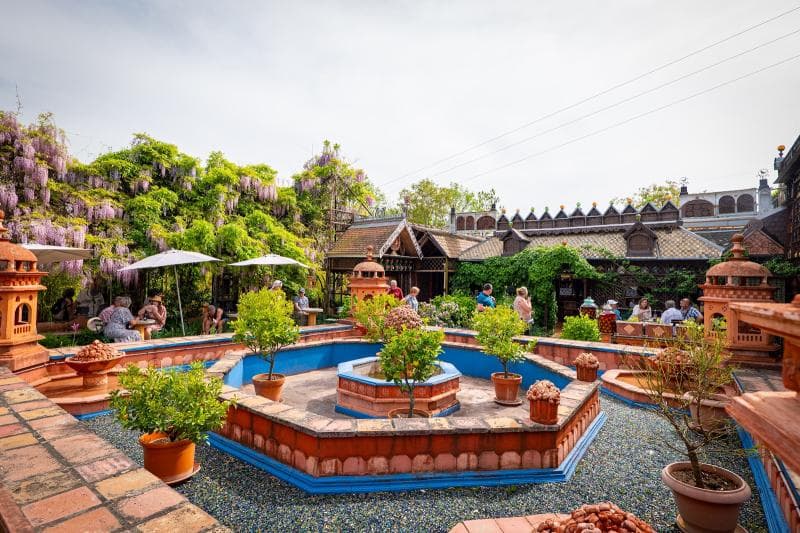
Explore Carouge's 'Hidden Courtyards' in Geneva, Switzerland. Discover charming Mediterranean-style architecture and artisan studios.
Overview
Tucked away just south of Geneva, Switzerland, lies the charming district of Carouge, a place often referred to as Geneva's 'Greenwich Village' or 'Little Italy' due to its distinct bohemian and Mediterranean character. Carouge is celebrated for its unique architecture, vibrant artisan community, and a relaxed atmosphere that sets it apart from its larger neighbor. Within this picturesque setting, the 'Hidden Courtyards' stand out as a singularly distinctive feature, offering a glimpse into the heart and soul of Carouge's cultural life. These often-overlooked inner spaces are where the true essence of the district unfolds, with lush gardens, quiet patios, and the workshops of local craftspeople.
Carouge’s grid-like street plan, pastel-colored buildings with shuttered windows, and the presence of these interior courtyards lend it a distinctly southern European feel, more akin to Sardinia or Provence than typical Swiss towns. Exploring these hidden gems is an integral part of experiencing Carouge, inviting curious travelers to venture beyond the main streets and discover the tranquil beauty and artistic spirit tucked behind unassuming archways and gates.
History & Cultural Background
The history of Carouge is deeply intertwined with a fascinating rivalry between kingdoms. Founded in the 1780s by King Victor-Amadeus III of Piedmont-Sardinia, Carouge was deliberately planned as a commercial and cultural competitor to Calvinist Geneva. This ambition shaped its very design: a Mediterranean-inspired grid pattern, distinctive pastel architecture, and a policy of religious tolerance that attracted diverse populations, including artisans and watchmakers seeking refuge from Geneva's stricter guilds.
The town's Sardinian roots are still vividly evident in its urban planning and architectural details, such as colorful facades, wrought-iron balconies, and, of course, the ubiquitous inner courtyards. These design elements were brought to life by talented Italian architects and craftsmen, giving Carouge a unique identity that contrasts sharply with the more austere architecture of Geneva. Following the Napoleonic Wars, Carouge became part of Switzerland in 1816, yet it has proudly maintained its unique heritage and independent spirit, which is reflected in its bohemian character and vibrant artistic scene.
What Makes It Special
What truly sets Carouge's 'Hidden Courtyards' apart is their profound role in shaping the district's identity and providing an intimate connection to its Mediterranean traditions. Unlike public squares, these courtyards are often enclosed, creating secluded oases where the daily life of the community unfolds away from the bustling streets. They are not merely architectural features but living spaces, embodying a Mediterranean concept where the 'real life' of a building often centers around its interior garden or paved area.
Many of these courtyards, though private, become accessible through small archways, especially during shop hours, revealing artisan workshops, quaint cafes, small art galleries, or simply peaceful, stone-paved spaces. This element of discovery makes each visit unique and personal. The courtyards contribute significantly to Carouge's reputation as a hub for artists and craftspeople, offering a serene backdrop for creative endeavors and a unique shopping experience where visitors can stumble upon genuinely original works.
Stories, Fun Facts & Local Details
The 'Hidden Courtyards' of Carouge hold a wealth of stories and local charm. One intriguing detail is how these private spaces often feature wooden balconies overlooking internal gardens, with some even open to the public for exploration. It's said that these courtyards explain why Carouge's streetscape, despite its activity, can feel deceptively quiet.
Carouge itself has a rebellious spirit. Historically, when alcohol and dancing were prohibited in Geneva, Carouge became the favored spot for Genevese residents to 'carouse,' earning it a lively reputation that endures today. An enduring legend even suggests that a cannonball from the Napoleonic Wars, fired during a skirmish, may still be embedded in a Carouge facade on Rue St-Joseph. For those seeking an extra special experience, Thursday evenings are known to 'unlock' some hidden courtyards, where galleries might open in anonymous arcades, offering free shows and a chance to mingle over plastic cups of white wine with locals. These details paint a picture of Carouge as a place full of delightful surprises and a deep sense of local pride.
Visitor Perspective
For the curious traveler, exploring Carouge's 'Hidden Courtyards' is an adventure in itself, often described as discovering 'wild strawberries or mushrooms'—a series of unexpected pleasures around every corner. The key to uncovering these treasures is to wander off the beaten path, pushing gently on archway gates and venturing through small passageways along streets like Rue Saint-Joseph and Rue Ancienne. While many are private, several are accessible, especially when boutique doors in the inner courtyards are open.
Visitors are encouraged to embrace the Mediterranean pace, allowing ample time to stroll and dream. This approach allows for the organic discovery of charming cafes, unique boutiques, and artisan workshops tucked away in these secluded spaces. The ambiance is one of calm and intimacy, a stark contrast to more bustling urban areas. It's an opportunity to connect with the authentic rhythm of Carouge, feeling its bohemian heart and experiencing a special moment that transcends a typical tourist visit. The 'Hidden Courtyards' are a reminder that Carouge is a place to be experienced and felt, not merely observed.
Coordinates: 6.1392, 46.181
View on Google Maps💬 How Travelers Describe This Place
Based on community votes
Beautiful
685Interesting
472Must See
446Unique
399Photogenic
92
Traveler Stories
Discover memorable experiences shared by travelers who have visited this place.
No traveler stories yet.
Be the first traveler to share what made this place memorable.

Tour
By
Spot
Discover amazing places around the world. Your journey starts here.
Explore
© 2026 TourBySpot. All rights reserved.