Cancun Underwater Museum
Cancún, Mexico
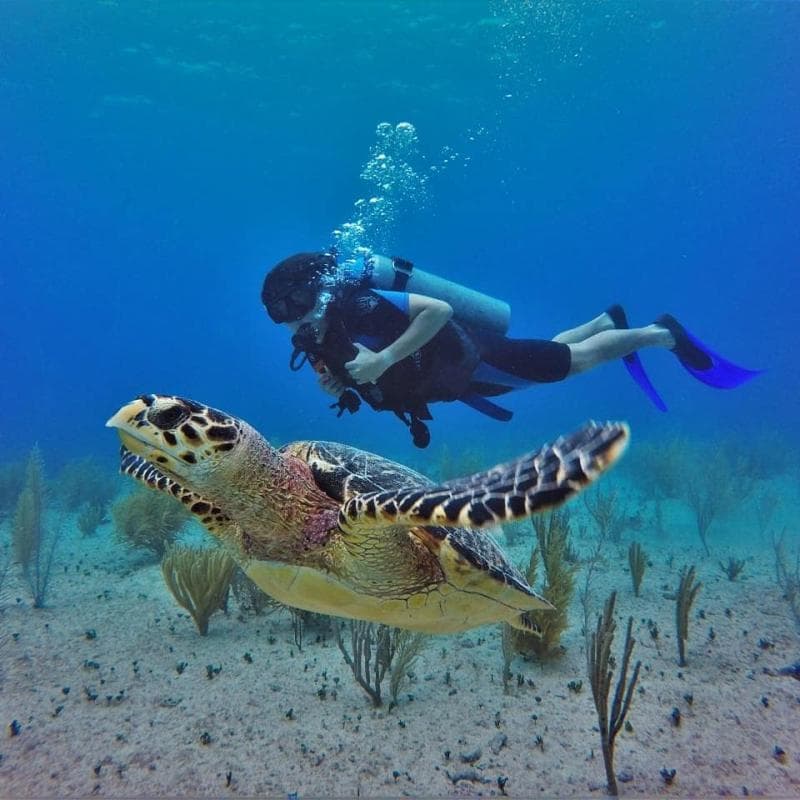
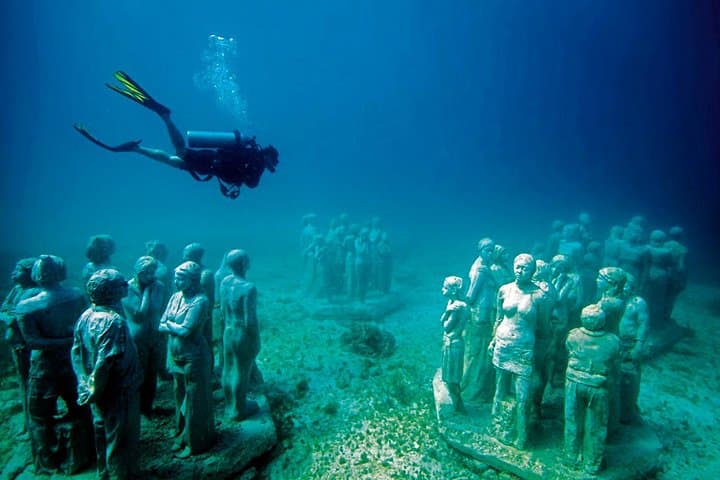
Explore the Cancun Underwater Museum (MUSA) in Cancún, Mexico. Discover over 500 submerged sculptures that act as artificial reefs, blending art with marine conservation.
Overview
Deep within the turquoise waters surrounding Cancún, Mexico, lies an extraordinary world where art and nature converge: the Cancún Underwater Museum, locally known as Museo Subacuático de Arte (MUSA). This innovative non-profit organization is devoted to the art of conservation, presenting a mesmerizing collection of over 500 sculptures beneath the waves of the National Marine Park. It offers a unique alternative to traditional museums, inviting visitors to explore its submerged galleries through snorkeling, diving, or glass-bottom boat tours.
MUSA is not merely an art installation; it serves a crucial ecological purpose. Each sculpture is meticulously crafted from pH-neutral marine cement, designed to foster the growth of coral and provide new habitats for marine life. This ingenious approach aims to divert the high volume of tourist traffic away from the region's delicate natural coral reefs, allowing them a chance to recover and thrive.
History & Cultural Background
The genesis of MUSA dates back to 2009, born from a pressing environmental concern. Dr. Jaime González Cano, then Director of the National Park Costa Occidental Isla Mujeres, Punta Cancún y Punta Nizuc, observed the severe damage inflicted upon natural coral reefs by tourism, anchors, and frequent storms like Hurricane Wilma. Seeking a solution to alleviate this ecological stress, he envisioned an artificial reef system that could also captivate visitors.
González Cano collaborated with Roberto Díaz Abraham, a local nautical association president, and renowned British sculptor Jason deCaires Taylor. Taylor was already a pioneer in underwater art and conservation, having established the world's first underwater sculpture park in Grenada in 2006. Together, this visionary trio embarked on creating MUSA, which officially opened in November 2010. Their goal was to merge art with environmental science, offering both an awe-inspiring artistic experience and a tangible contribution to marine ecosystem restoration.
What Makes It Special
What truly sets MUSA apart is its dynamic, living artistry. Unlike static museum exhibits, MUSA's sculptures are intentionally designed to be colonised by marine organisms, transforming over time into flourishing artificial reefs. This process means each visit offers a slightly different perspective, as corals, sponges, and algae gradually reclaim the human forms, merging art with nature's relentless cycle of growth and decay.
The choice of pH-neutral marine concrete ensures that the sculptures are not only environmentally friendly but actively promote coral attachment and growth. By creating these robust, stable structures on previously barren seabed, MUSA contributes to increasing the ocean's biomass and offering sanctuary to countless species of fish and other marine life. This clever ecological engineering directly addresses the challenge of balancing popular tourism with environmental preservation, effectively acting as a 'diversion reef' that protects more fragile natural ecosystems.
Stories, Fun Facts & Local Details
MUSA houses over 500 sculptures across its three main galleries: Manchones, Punta Nizuc, and Punta Sam. The most iconic collection is 'The Silent Evolution,' featuring more than 400 life-sized human figures. These powerful sculptures were cast from real people in a local fishing community, representing a 'community of people, standing in defence of their oceans.' Each figure possesses unique expressions and features, reflecting the diverse narratives of humanity's interaction with the marine environment.
Among the many compelling works, visitors can discover 'The Gardener of Hope,' depicting a young girl nurturing potted plants, symbolising new life and environmental care. 'The Man on Fire' is another striking piece, portraying a seated figure consumed by flames, while a submerged Volkswagen Beetle, humorously covered in coral and algae, adds a whimsical touch and provides shelter for marine species. Sculptures like 'The Bankers' and 'Inertia' subtly critique human indifference to environmental issues, with 'The Bankers' even featuring cavities for marine life to inhabit. 'The Listener' is a remarkable installation where a lone figure's ears, cast from local schoolchildren, symbolise the need to heed nature's call.
Visitor Perspective
Experiencing MUSA is an adventure, accessible to a wide range of visitors. The Manchones gallery, located near Isla Mujeres, is approximately 8 to 10 meters deep, making it ideal for certified divers and suitable for beginners on a guided experience. Here, one can get up close to the vast collection of statues, observing the intricate details and the flourishing marine life that calls them home.
For snorkelers, the Punta Nizuc and Punta Sam galleries offer shallower depths, typically around 3 to 4 meters, allowing for excellent viewing from the surface. Glass-bottom boat tours provide a dry alternative, offering panoramic views of the submerged artworks without entering the water, perfect for families or those who prefer to stay dry. Regardless of the chosen method, visitors are encouraged to use eco-friendly sunscreen and maintain a respectful distance from the sculptures and marine life. MUSA truly offers an unforgettable journey into an evolving underwater gallery, fostering a deeper appreciation for both art and ocean conservation.
Coordinates: -86.75989, 21.22762
View on Google Maps💬 How Travelers Describe This Place
Based on community votes
Interesting
996Photogenic
726Beautiful
494Unique
193Must See
125
Traveler Stories
Discover memorable experiences shared by travelers who have visited this place.
No traveler stories yet.
Be the first traveler to share what made this place memorable.
Things to see at Cancun Underwater Museum



Tour
By
Spot
Discover amazing places around the world. Your journey starts here.
Explore
© 2026 TourBySpot. All rights reserved.