The Silent Evolution
Cancún, Mexico
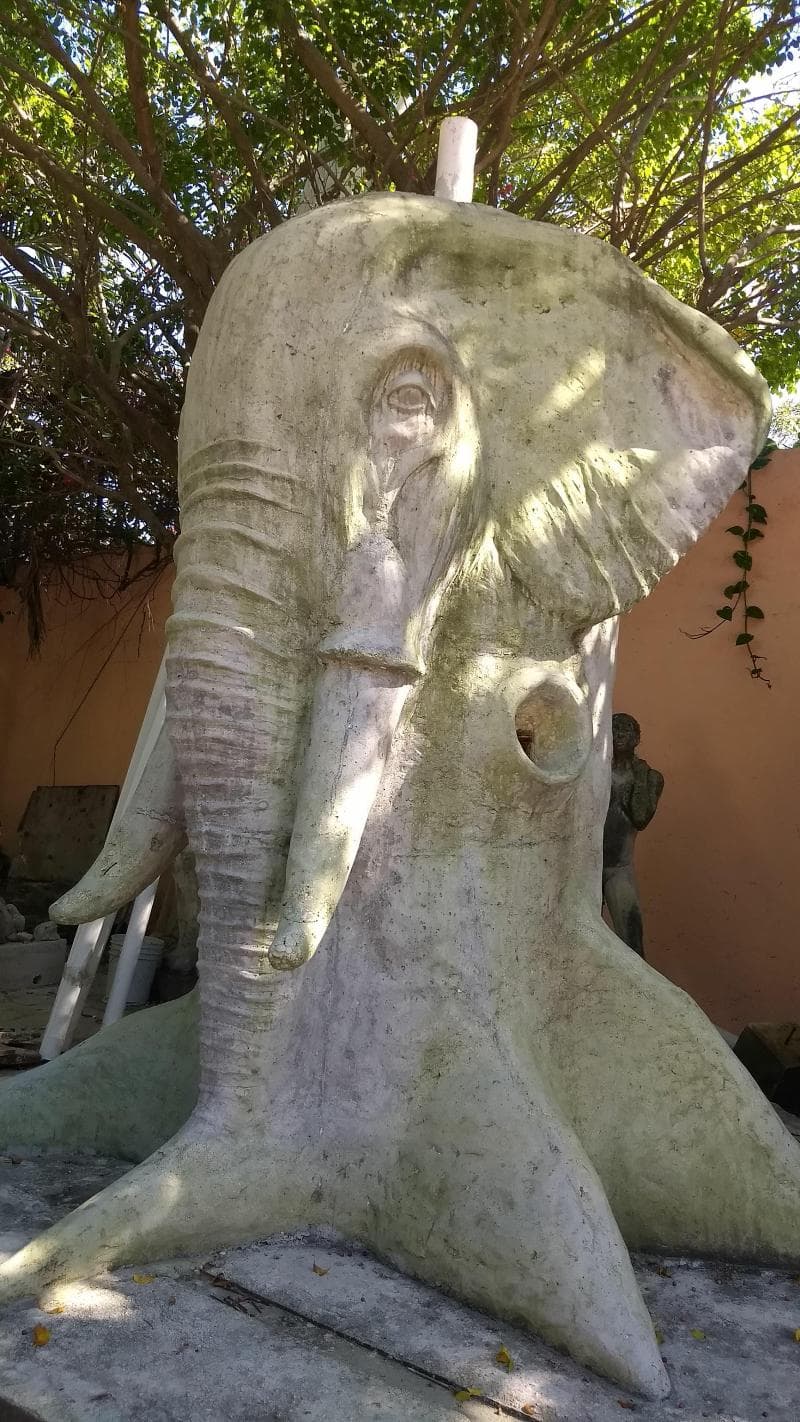

Explore 'The Silent Evolution' at Cancún Underwater Museum, Mexico, where over 400 sculptures form a unique artificial reef promoting marine life.
Overview
Deep beneath the turquoise waters of the Mexican Caribbean, nestled within the Cancún Underwater Museum (MUSA), lies an extraordinary art installation known as 'The Silent Evolution'. This monumental sub-aquatic sculpture park is a key part of MUSA, an innovative project aimed at merging art with marine conservation. Situated primarily in the Manchones gallery off the coast of Isla Mujeres, 'The Silent Evolution' captivates visitors with its eerie beauty and profound message. Created by renowned British sculptor Jason deCaires Taylor, it features hundreds of life-sized human figures standing silently on the seabed, transforming into vibrant artificial reefs over time.
The Cancún Underwater Museum itself is a non-profit organization dedicated to the art of conservation, boasting over 500 sculptures submerged across various galleries. 'The Silent Evolution' is its most significant and impactful collection, offering a unique blend of human artistic expression and natural ecological processes.
History & Cultural Background
The genesis of MUSA and 'The Silent Evolution' dates back to 2008, when Jaime González Cano, then Director of the Cancún National Marine Park, observed the severe damage inflicted upon natural coral reefs by the ever-increasing number of tourists, anchors, and divers. To alleviate pressure on these fragile ecosystems, particularly the heavily visited Manchones Reef, González Cano, alongside Roberto Díaz Abraham, President of the Cancún Nautical Association, conceived the idea of an alternative attraction. They sought an artist capable of creating underwater sculptures that would not only be visually appealing but also function as artificial reefs. Jason deCaires Taylor, a pioneer in this unique art form with previous success in Grenada, was the ideal choice.
The installation of 'The Silent Evolution' began in 2009, with the first sculptures submerged in November of that year. The project rapidly progressed, and by the end of 2010, the majority of Taylor's work for 'The Silent Evolution' had been installed, culminating in the official opening of MUSA in November 2010. This timely unveiling coincided with the Cancún climate summit, underscoring the museum's urgent message of environmental preservation.
What Makes It Special
'The Silent Evolution' is extraordinary not just for its scale, but for its ingenious design as a living artwork. The sculptures, totaling 477 figures within 45 modules, are crafted from a special pH-neutral marine-grade cement. This material encourages the growth of coral, algae, and other marine organisms, effectively transforming the static art into dynamic, thriving artificial reefs. Each figure serves as a base for new life, contributing to increased marine biomass and providing habitat for various fish species and other sea creatures.
Unlike traditional art installations, 'The Silent Evolution' is a continuously evolving masterpiece. As time passes, the sculptures are gradually colonized by marine flora and fauna, changing their appearance and creating an ever-shifting spectacle of art and nature intertwining. This symbiotic relationship between human creation and ecological processes makes 'The Silent Evolution' a powerful statement on humanity's connection to the natural world.
Stories, Fun Facts & Local Details
The figures in 'The Silent Evolution' are not anonymous. They are meticulously sculpted life-casts of real individuals, predominantly from a local fishing village in Puerto Morelos, where Jason deCaires Taylor resided. This personal touch imbues each statue with a unique narrative and reflects the local community's deep connection to the ocean. The installation, weighing over 120 tons, required 18 months of intensive labor, including 120 hours of underwater work.
Among the countless faces, some stories stand out. There's Valeria Ramírez, a young girl whose serene smile is immortalized underwater, gazing towards the surface. Another figure, Paz, is depicted with arms stretched upwards, a pose he held for over an hour during casting. The interactive sculpture of Juanita, a singer from Mérida, allows divers to place their regulator hose into a space on her back, creating the illusion of her singing underwater with bubbles emerging from her mouth. A poignant pair of sculptures includes a nun and a pregnant woman, whose story intertwines the lives of the artist's Spanish teacher and a local woman. The 'Bankers' sculptures, depicting men with their heads buried in the sand, offer a commentary on humanity's often short-sighted relationship with the environment.
Visitor Perspective
Visiting 'The Silent Evolution' offers a truly immersive and unforgettable experience. Located primarily in the Manchones gallery, which sits at a depth of 8 to 9 meters, it is best explored by certified divers. Divers can swim among the hundreds of figures, observing the intricate details of each sculpture and witnessing firsthand the vibrant marine life that has made the installation its home. The excellent water visibility, often exceeding 20 meters, provides ample natural light, making for breathtaking underwater photography opportunities.
While the deeper Manchones gallery is a diver's paradise, MUSA also caters to snorkelers, though 'The Silent Evolution' is not typically accessible by snorkeling due to its depth. Snorkelers can explore the shallower Punta Nizuc gallery, which houses a separate collection of sculptures. Regardless of how you choose to experience it, 'The Silent Evolution' offers a powerful and moving encounter with art that serves a vital ecological purpose. It's a testament to the quiet power of nature to reclaim and transform, leaving visitors with a deeper appreciation for both art and the delicate balance of our oceans.
Coordinates: -86.75989, 21.22762
View on Google Maps💬 How Travelers Describe This Place
Based on community votes
Interesting
618Unique
449Must See
335Photogenic
308Beautiful
22
Traveler Stories
Discover memorable experiences shared by travelers who have visited this place.
No traveler stories yet.
Be the first traveler to share what made this place memorable.

Tour
By
Spot
Discover amazing places around the world. Your journey starts here.
Explore
© 2026 TourBySpot. All rights reserved.