Anthropocene
Cancún, Mexico
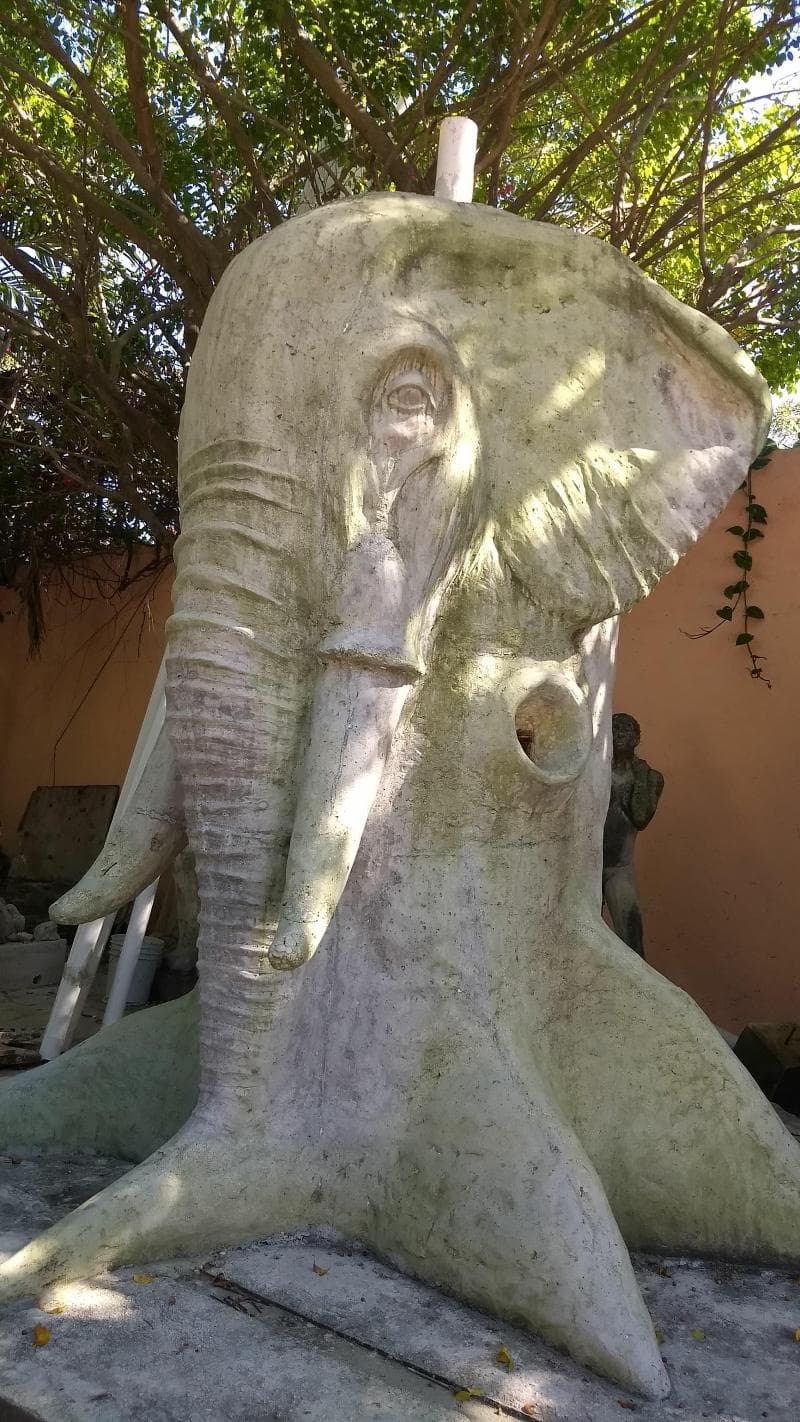

Explore 'Anthropocene' in the Cancún Underwater Museum, Mexico. Discover Jason deCaires Taylor's thought-provoking sculpture on human impact and marine conservation.
Overview
Deep beneath the shimmering turquoise waters off Cancún, Mexico, lies a thought-provoking underwater art installation known as ‘Anthropocene’. This compelling sculpture is a significant piece within the vast collection of the Cancún Underwater Museum, or MUSA (Museo Subacuático de Arte). Created by renowned British sculptor Jason deCaires Taylor, ‘Anthropocene’ serves as a stark, yet beautiful, commentary on humanity's enduring impact on our planet's delicate ecosystems. Nestled in the Manchones Reef gallery, this unique artwork is not merely a static display; it is an evolving habitat designed to foster marine life and encourage coral growth, making it a living testament to art and environmental conservation working hand-in-hand.
As part of MUSA's larger mission, ‘Anthropocene’ draws visitors away from overstressed natural reefs, offering an alternative destination where art and nature converge in a profound way. It’s an immersive experience, primarily explored by divers who can get up close to its intricate details and observe the marine transformations unfolding around it. The sculpture's powerful message and its environmental purpose make it a highlight for anyone seeking both artistic inspiration and a deeper understanding of our relationship with the natural world.
History & Cultural Background
The Cancún Underwater Museum (MUSA) was conceived in 2009 by marine conservationist Jaime González Cano and artist Jason deCaires Taylor. Their vision was to create an artificial reef system that would simultaneously alleviate pressure on the region's natural coral reefs, which were suffering from damage due to mass tourism and natural events like hurricanes.
Jason deCaires Taylor, known for pioneering underwater sculpture parks, brought his expertise to MUSA. He crafted over 500 sculptures using pH-neutral marine cement, a material specifically chosen to encourage coral attachment and the growth of new marine ecosystems. The term 'Anthropocene' itself, from which the sculpture draws its name, was popularized by atmospheric chemist Paul J. Crutzen in 2000. It refers to the current geological epoch where human activities have become a dominant force shaping Earth's environment, profoundly influencing its physical, chemical, and biological characteristics.
Taylor's 'Anthropocene' sculpture, installed in 2010, directly embodies this concept. It asks crucial questions about the legacy humanity is creating for future generations. By placing such a potent symbol underwater, amidst the very environment it seeks to protect, the artwork becomes a powerful, living narrative about environmental responsibility.
What Makes It Special
What truly sets ‘Anthropocene’ apart is its poignant message and innovative design. The sculpture depicts a cast of a real Volkswagen Beetle with a small, melancholic child curled upon its windshield. This evocative imagery immediately conveys a sense of vulnerability and concern for the future, symbolizing the burdens and consequences that current human actions might leave for generations to come.
Beyond its artistic statement, ‘Anthropocene’ is a functional piece of eco-art. The nine-ton sculpture, crafted from pH-neutral marine concrete, is specifically engineered to provide a sheltered habitat for various marine species, including crustaceans like lobsters. Its robust, thick concrete walls are designed to prevent the extraction of these creatures by local fishermen, thereby supporting biodiversity. Over time, the sculpture transforms as coral fragments and other marine organisms colonize its surfaces, turning it into a vibrant, living artificial reef. This ongoing metamorphosis means that ‘Anthropocene’ is a constantly evolving artwork, each visit potentially revealing new layers of natural integration and ecological recovery.
Stories, Fun Facts & Local Details
One of the most striking aspects of 'Anthropocene' is the choice of a Volkswagen Beetle as its foundation. This iconic vehicle, once a symbol of mobility and mass production, is repurposed here to represent the pervasive, often unconscious, impact of human industry on the natural world. The child figure on the car’s hood intensifies this commentary, inviting contemplation on our collective responsibility.
Many of MUSA’s sculptures, including aspects of 'Anthropocene', were created using casts of local residents, tying the art intimately to the Cancún community and emphasizing the human connection to the ocean. While 'Anthropocene' stands somewhat apart from the more extensive 'Silent Evolution' collection (which features over 400 human figures), its solitary yet powerful presence ensures it leaves a lasting impression on visitors.
Another fascinating detail is how MUSA strategically positions its sculptures downstream from natural reefs. This placement allows for coral spawn to settle on the artificial structures after events like spawning, aiding in the broader goal of marine regeneration and promoting a healthy ocean environment. The museum actively monitors the growth and colonization on its sculptures, contributing valuable data to marine research.
Visitor Perspective
Experiencing 'Anthropocene' is a profound journey into both art and environmental awareness. Located at a depth of approximately 9 to 10 meters (around 30 to 33 feet) in the Manchones gallery, it is best viewed through scuba diving. Divers descend into a tranquil blue world, where the sunlight filters through the water, casting ethereal shadows on the submerged artwork. The sight of the 'Anthropocene' sculpture, with its silent, mournful child and the familiar outline of a car, is often described as deeply moving and thought-provoking.
As you approach, you can observe the burgeoning marine life that has made the sculpture its home—small fish darting in and out, and nascent coral formations adding new textures and colors to Taylor’s original work. The experience evokes a mix of wonder at the artistic creation and a quiet reflection on the environmental message it conveys. It’s an opportunity not just to witness a unique piece of art, but to be immersed in an active, living ecosystem, reminding visitors of the urgent need for ocean conservation. Whether you are an experienced diver or a beginner, the encounter with 'Anthropocene' is an unforgettable highlight of the Cancún Underwater Museum, inspiring both awe and a renewed sense of responsibility towards our planet.
Coordinates: -86.8505, 21.0762
View on Google Maps💬 How Travelers Describe This Place
Based on community votes
Beautiful
910Must See
755Interesting
658Photogenic
589Unique
374
Traveler Stories
Discover memorable experiences shared by travelers who have visited this place.
No traveler stories yet.
Be the first traveler to share what made this place memorable.

Tour
By
Spot
Discover amazing places around the world. Your journey starts here.
Explore
© 2026 TourBySpot. All rights reserved.