Borisova Gradina
Sofia, Bulgaria
Discover Borisova Gradina, Sofia's oldest and largest park. Explore its rich history, iconic landmarks, and serene green spaces in the heart of Bulgaria's capital.
Overview
Nestled in the vibrant heart of Sofia, Bulgaria, Borisova Gradina, or Boris' Garden, stands as the city's oldest and most cherished public park. Spanning over three square kilometers, this expansive green oasis is affectionately known as the 'green lungs of Sofia', providing a vital escape from the urban hustle. Recognized as a monument of landscape architecture, it offers a peaceful retreat where nature's tranquility blends seamlessly with city life. Dedicated to Bulgarian Tsar Boris III, the park invites all to explore its diverse landscapes, from manicured gardens to wilder, forested sections.
History & Cultural Background
The story of Borisova Gradina began in 1882, when Sofia's mayor envisioned a grand green space for the capital. Swiss gardener Daniel Neff was instrumental, developing the park's initial plan and establishing a tree nursery in 1884. This nursery, originally known as 'Pipiniéra' or 'Razsadnika', was the foundation upon which the park grew.
Over decades, three renowned gardeners shaped its evolution: Neff laid the groundwork, followed by Joseph Frei from 1906, who enriched the park with vibrant flowerbeds and a rosarium. Georgi Duhtev then managed the park from 1934 to 1944, contributing significantly to its character, including the serene Japanese Corner.
The park received its enduring name, 'Knyaz-Borisova Gradina', in 1895, honoring the newborn Prince Boris of Tarnovo, later Tsar Boris III. This naming reflected its growing significance. Its identity mirrored Bulgaria's 20th-century history. From 1944 to 1989, during the communist era, it was temporarily renamed 'Freedom Park' to erase royal heritage. Following the regime's fall, it reclaimed its original name, a testament to its deep roots. In 1986, Borisova Gradina was recognized as a cultural heritage site, celebrating Bulgarian park and gardening tradition.
What Makes It Special
Borisova Gradina is more than just a park; it is a living tapestry woven with natural beauty and historical landmarks. Its unique charm lies in the harmonious blend of meticulously designed gardens with wilder, forested areas, creating a varied landscape for exploration. The park's central aquatic jewel is Lake Ariana, where visitors can enjoy boating in warm months and ice skating in winter. Nearby, the tranquil Lily Lake, also known as the Fish Lake, offers a peaceful haven adorned with beautiful water lilies.
A poignant symbol of international friendship is the Japanese Corner, established around 1940 with plants gifted from Japan. Beyond its natural allure, the park serves as a hub for sports and culture. It proudly hosts two of Sofia's most significant football venues: the Vasil Levski National Stadium and the Bulgarian Army Stadium. History and science also find a home here, with the Sofia University Astronomical Observatory, built in 1894, marking the park as a scientific landmark. Visitors can also discover a variety of monuments, sculptures, and a cycling track, each adding layers to the park's rich character.
Stories, Fun Facts & Local Details
It's fascinating to imagine that Borisova Gradina, now firmly embedded in the city center, once lay on Sofia's outskirts. Its gradual incorporation into the urban fabric mirrors Sofia's rapid growth. The park's evolving nomenclature, from 'The Nursery Garden' to 'Prince Boris' Garden' and then 'Freedom Park' during the communist era, tells a concise story of Bulgaria's modern political shifts.
A particularly compelling story connected to the park's namesake, Tsar Boris III, is his courageous stand during World War II, credited with saving around 50,000 Bulgarian Jews from deportation, defying immense pressure. The exquisite plants of the Japanese Corner are not merely decorative; they are a tangible expression of a historical diplomatic gesture, a gift signifying friendship.
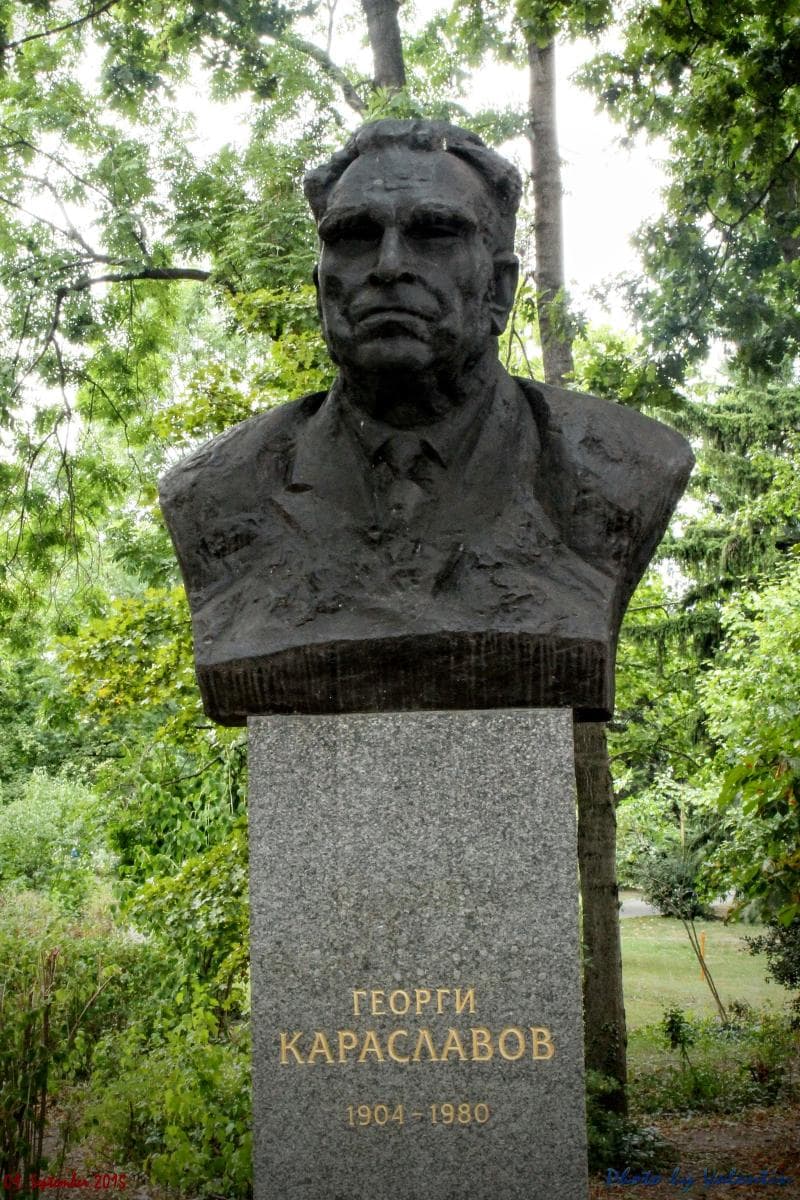
Visitors walking through the park today are treading paths first envisioned in the Austrian-German park baroque style. Many original acacia trees, planted in its earliest days, continue to stand tall, whispering tales of the past. At the eastern end, the imposing Mound of Brotherhood, crowned by a 42-meter obelisk, stands as a powerful monument from 1956, featuring socialist-realist figures commemorating past struggles.
Visitor Perspective
For anyone visiting Sofia, Borisova Gradina offers an inviting embrace, a perfect blend of relaxation and activity. It's a beloved spot for locals and a delightful discovery for travelers. Imagine starting your day with a brisk jog along its tree-lined paths, or perhaps renting a paddleboat on Lake Ariana, soaking in the sun and serene views. In winter, that same lake transforms into a lively ice rink, full of joyful skaters.
The park is a haven for families, with numerous playgrounds where children can laugh and play freely. Friends gather for picnics on its vast lawns, enjoying refreshments from the scattered cafes. Beyond the planned paths, venturing further into its wilder sections can make you forget you're in the heart of a capital city, offering a true sense of immersion in nature. Easily accessible by metro and other public transport, Borisova Gradina is not just a destination; it's an experience, a living museum, and a dynamic community space where Sofia's past and present gracefully converge.
Coordinates: 23.34139, 42.67972
View on Google Maps💬 How Travelers Describe This Place
Based on community votes
Unique
657Must See
498Beautiful
481Interesting
299Photogenic
19
Traveler Stories
Discover memorable experiences shared by travelers who have visited this place.
No traveler stories yet.
Be the first traveler to share what made this place memorable.
Things to see at Borisova Gradina



Tour
By
Spot
Discover amazing places around the world. Your journey starts here.
Explore
© 2026 TourBySpot. All rights reserved.