Walking Alleys
Sofia, Bulgaria
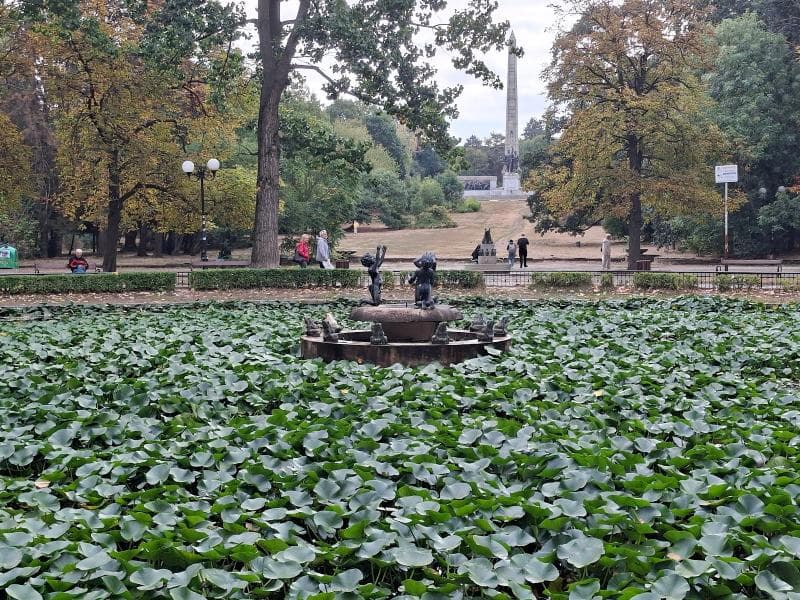
Explore the peaceful Walking Alleys of Borisova Gradina, Sofia's oldest and largest park in Bulgaria. Discover history, nature, and local charm.
Overview
Nestled in the vibrant heart of Sofia, Bulgaria, Borisova Gradina stands as the city's oldest and most expansive park, often affectionately referred to as Sofia's 'green lungs'. Within its lush expanse lie the captivating 'Walking Alleys', a network of picturesque paths that invite both locals and travelers to immerse themselves in nature's tranquility. These alleys are not merely routes; they are integral to the park's charm, offering a serene escape from urban life and a chance to connect with the natural world. Spanning over three square kilometers, Borisova Gradina, with its intricate pathways, provides diverse settings for relaxation, recreation, and quiet contemplation.
History & Cultural Background
The genesis of Borisova Gradina dates back to 1882, when the then-mayor of Sofia, Ivan Hadzhienov, initiated the creation of a city nursery, envisioning a grand urban park. The ambitious project took shape under the guidance of Swiss gardener Daniel Neff, who laid out the initial plan in 1884 and oversaw the planting of thousands of trees. What began as 'Pipiniéra' or 'Razsadnika' (the nursery) was transformed over successive periods by renowned gardeners such as Joseph Frei and Georgi Duhtev, each contributing to its evolving beauty and character. The park officially received its enduring name, 'Knyaz-Borisova Gradina' (Prince Boris' Garden), in 1895, honoring the newborn heir to the throne, Prince Boris of Tarnovo, who would later become Tsar Boris III. This renaming underscored its growing significance as a cherished public space. During the communist era between 1944 and 1989, the park was temporarily rebranded as 'Freedom Park' in an attempt to erase monarchic history, but it reclaimed its original name after the political changes. Today, it is officially recognized as a monument of landscape architecture and a Reserve of Garden and Park Art, preserving its historic layout and natural splendor.
What Makes It Special
The Walking Alleys of Borisova Gradina are distinguished by their incredible variety and the journey they offer through diverse landscapes. From wide, tree-lined avenues that burst with color from meticulously maintained flowerbeds to more secluded, shaded forest paths, there's a route for every mood and season. The park is a tapestry of natural beauty and historical landmarks. Visitors can stroll along the shores of the artificial Lake Ariana, popular for boating in summer and transforming into the Balkan Peninsula's largest ice rink in winter. The tranquil Lily Lake offers another peaceful spot for quiet reflection. The famous Rosarium, once extended to embrace over 1,400 new cultivated rose species by Georgi Duhtev, adds a burst of fragrance and color. Another unique feature is the Japanese Corner, created in 1940 with plants gifted by the Japanese minister plenipotentiary, symbolizing friendship between the two nations. These alleys seamlessly connect various cultural and sporting facilities, including stadiums, tennis courts, and playgrounds, making the park a dynamic hub for activity and relaxation.
Stories, Fun Facts & Local Details
Beyond its botanical grandeur, Borisova Gradina holds layers of fascinating stories. The park's early development was not just about aesthetics but also about scientific endeavor; the Sofia University Astronomical Observatory, completed in 1894, found its home within these green confines, making the park an important scientific landmark. The namesake, Tsar Boris III, is remembered for his courageous actions during World War II, famously resisting Hitler's demands to deport Bulgaria's Jewish population, saving an estimated 50,000 Bulgarian Jews. While not directly tied to the alleys, this historical figure's legacy adds a meaningful layer to the park's identity. For locals, the Walking Alleys are woven into the fabric of daily life – a place where hundreds gather to play sports, take leisurely strolls, or simply recline on the grass, beer in hand, a common and accepted pastime in Bulgaria. It's a place where generations have made memories, from childhood games to quiet moments of solitude amidst ancient trees that have stood since the park's early days.
Visitor Perspective
For any traveler exploring Sofia, the Walking Alleys of Borisova Gradina offer an invigorating and authentic experience. The easy, rolling terrain and well-maintained paved and gravel paths make it accessible for all, whether you're embarking on a brisk jog, a leisurely stroll with family, or navigating with a stroller. The park's vastness ensures that even on busy weekends, one can find quieter sections, particularly beyond the more urbanized northern end. It's a place where the city's hustle fades into a symphony of rustling leaves and birdsong, allowing for true mental rejuvenation. The interplay of centuries-old trees providing ample shade, vibrant flowerbeds delighting the eye, and the numerous points of interest scattered throughout the park create a rich sensory experience. The alleys provide an intimate connection to Sofia's past and its present, inviting visitors to become part of its living history, one step at a time. It is an ideal spot to witness local life unfold, offering a genuine glimpse into the daily routines and relaxed pace of Sofia's residents.
Coordinates: 23.342171, 42.680164
View on Google Maps💬 How Travelers Describe This Place
Based on community votes
Unique
639Interesting
526Must See
421Beautiful
366Photogenic
181
Traveler Stories
Discover memorable experiences shared by travelers who have visited this place.
No traveler stories yet.
Be the first traveler to share what made this place memorable.

Tour
By
Spot
Discover amazing places around the world. Your journey starts here.
Explore
© 2026 TourBySpot. All rights reserved.