Barceloneta Beach
Barcelona, Spain
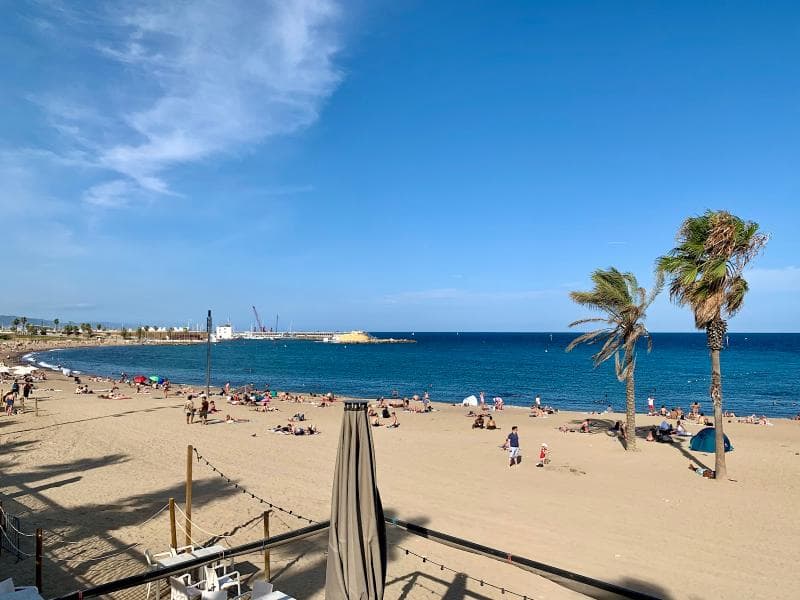
Discover Barceloneta Beach in Barcelona, Spain – a vibrant coastal hub with golden sands, rich history, and lively atmosphere, perfect for any traveler.
Overview
Barceloneta Beach, nestled in the vibrant city of Barcelona, Spain, stands as one of the most iconic and popular coastal destinations in the region. Its golden sands, stretching alongside the Mediterranean Sea, offer a lively blend of relaxation and activity for both locals and travelers alike. The beach is easily accessible from the city center, making it a favorite spot for those seeking sun, sea, and a taste of Barcelona's energetic seaside culture. It forms a significant part of the larger Barceloneta neighborhood, an area rich in maritime history and distinctive charm.
This celebrated stretch of coastline boasts fine sand and generally calm waters, perfect for swimming, sunbathing, and a variety of water sports. Beyond its natural beauty, Barceloneta Beach is characterized by its bustling promenade, lined with 'chiringuitos' (beach bars) and restaurants, and a constant buzz of activity, from street performers to beach volleyball games.
History & Cultural Background
The history of Barceloneta is deeply intertwined with Barcelona's urban development. The neighborhood, meaning 'little Barcelona,' was initially a marshland area. It began to take shape as a distinct quarter in the mid-18th century, specifically after 1754, when fishermen started populating the area due to its proximity to the sea. This settlement was also designed to accommodate residents displaced from the Ribera neighborhood during the construction of the Ciutadella of Barcelona.
For centuries, Barceloneta remained a humble fishing village, characterized by its narrow streets and a unique maritime identity. However, its most significant transformation occurred in preparation for the 1992 Olympic Games held in Barcelona. Prior to this, much of the waterfront was less developed. The Games spurred a massive urban renewal project that completely remodeled the beach and surrounding areas, creating the modern, expansive shoreline seen today. This redevelopment turned Barceloneta Beach into a major leisure and recreational hub, symbolizing Barcelona's embrace of its coastline.
What Makes It Special
What truly sets Barceloneta Beach apart is its unique blend of historical fishing village atmosphere with the amenities and vibrancy of a modern urban beach. The neighborhood itself, with its triangular shape and grid-like layout, maintains a distinct character, offering a glimpse into old Barcelona's maritime soul.
The beach is not just a place to swim and sunbathe; it functions as a vibrant community space. Here, the salty sea air often mixes with the enticing aroma of freshly grilled seafood emanating from nearby eateries. The promenade is a stage for daily life, where locals engage in domino games, impromptu drum circles, and lively conversations, creating an unmistakable Mediterranean buzz. An iconic landmark, Rebecca Horn's rusty sculpture 'L'Estel Ferit' (The Wounded Star), also known as 'els cubs' (the cubes), stands on the sand as a tribute to the fishing district and a symbol linking the city to the sea.
Stories, Fun Facts & Local Details
Barceloneta holds a few fascinating tales and traditions. Legend has it that the area's undeveloped coastline in the early 17th century was the setting for Don Quixote's final duel with the Knight of the White Moon, as depicted in Cervantes' famous novel. This literary connection adds a layer of historical intrigue to the beach.
A more contemporary local detail is the sunrise swim ritual. Every morning, around 200 locals participate in a traditional swim at the beach, a practice dating back to the 1950s that fosters a strong sense of community and well-being. Furthermore, the numerous 'chiringuitos' along the beach are not just places for refreshments; they are cultural hubs that serve sangria, seafood, and music, often late into the night, embodying the laid-back Mediterranean lifestyle. The Barceloneta Market, serving the neighborhood since 1884, offers a taste of local life, where the day's fresh catch arrives and daily shopping unfolds.
Visitor Perspective
For visitors, Barceloneta Beach offers a comprehensive and accessible beach experience. It is well-equipped with public showers, restrooms, and lifeguards during summer months, ensuring comfort and safety. The beach also provides various facilities for sports enthusiasts, including beach volleyball courts, outdoor exercise areas, and even a beach library for those who prefer a quiet read by the sea. Accessibility services are also available for people with reduced mobility.
While the beach can get quite crowded, especially during peak summer afternoons, visiting in the morning before 10:00 AM or in the late afternoon after 6:00 PM allows for a more tranquil experience and spectacular sunset views. When it comes to dining, while beachfront restaurants offer convenience, venturing a couple of blocks inland into the narrow streets of the Barceloneta neighborhood often reveals more authentic and affordably priced tapas and seafood. This area truly offers something for every type of traveler, blending relaxation with cultural immersion and lively activity.
Coordinates: 2.192468, 41.377195
View on Google Maps💬 How Travelers Describe This Place
Based on community votes
Must See
826Photogenic
494Beautiful
242Interesting
125Unique
82
Traveler Stories
Discover memorable experiences shared by travelers who have visited this place.
No traveler stories yet.
Be the first traveler to share what made this place memorable.
Things to see at Barceloneta Beach



Tour
By
Spot
Discover amazing places around the world. Your journey starts here.
Explore
© 2026 TourBySpot. All rights reserved.