Sant Sebastià Beach
Barcelona, Spain
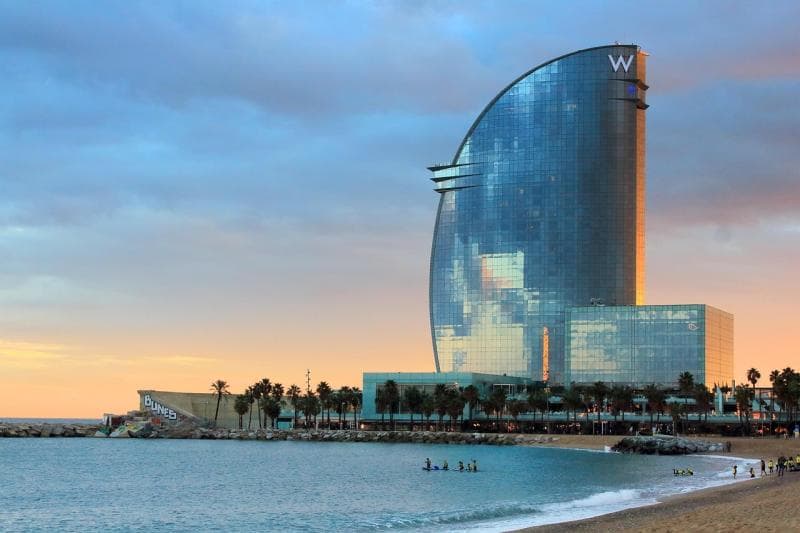
Discover Sant Sebastià Beach in Barcelona, Spain – one of the city's oldest and longest urban beaches. Explore its rich history, local charm, and accessible facilities.
Overview
Nestled at the southern edge of Barcelona's vibrant coastline, Sant Sebastià Beach stands as one of the city's most historic and enduring seaside destinations. Located within the lively Barceloneta district in the Ciutat Vella, it seamlessly blends the city's urban energy with the tranquil allure of the Mediterranean. Extending for approximately 1,100 meters, it is recognized as one of Barcelona's longest beaches, offering ample space for both relaxation and recreation. Sant Sebastià Beach adjoins Sant Miquel Beach and is considered the most westerly of Barcelona's beaches. Its golden sands are a favored spot for locals seeking a quieter experience compared to some of the more bustling stretches of coastline, providing a genuine glimpse into Barcelona's authentic beach culture. The beach is framed by impressive landmarks such as the iconic W Barcelona Hotel and features a well-equipped promenade, making it a highly accessible and beloved part of the city's waterfront.
History & Cultural Background
The story of Sant Sebastià Beach is deeply intertwined with Barcelona's evolution and its relationship with the sea. Dating back to 1755, it is one of Barcelona's oldest and most traditional beaches, pioneering public access to the sea. In the 19th century, it gained prominence as a recreational hub, initially catering to the city's elite. What makes this period particularly significant is that Sant Sebastià was among the first beaches to break social conventions by allowing both men and women to swim together, a progressive step for its time. Private bathhouses and sports clubs lined its shores, establishing a tradition of water sports and seaside leisure that continues to this day. The modernization of Barcelona's coastline, spurred by the 1992 Olympic Games, further transformed Sant Sebastià Beach, cleaning up and enhancing accessibility, reclaiming the waterfront for all citizens. This historical layering has endowed the beach with a unique character, reflecting centuries of Barcelona's social and urban development.
What Makes It Special
Sant Sebastià Beach distinguishes itself through a unique blend of heritage, community spirit, and modern amenities. It is home to some of Barcelona's most important sports clubs, including the historic Club Natació Atlètic-Barceloneta, which has been a pioneer in water sports for over a century. The presence of these clubs adds an energetic, local dimension to the beach, with swimmers, paddleboarders, and volleyball players often seen enjoying the waters. At one end, the striking sail-shaped W Barcelona Hotel, designed by Ricardo Bofill, dominates the skyline, offering a contemporary architectural contrast to the beach's traditional feel. Furthermore, the nearby Sant Sebastià Tower serves as part of the Transbordador Aeri del Port, a cable car system that offers breathtaking aerial views as it crosses the harbor to Montjuïc, adding an adventurous element to a beach visit. The beach also stands out for its exceptional commitment to accessibility, offering specialized services for people with reduced mobility, including adapted showers, changing rooms, and amphibious chairs with volunteer assistance during summer months.
Stories, Fun Facts & Local Details
Beyond its picturesque scenery, Sant Sebastià Beach holds a treasury of stories and local charm. It is said that in the 19th century, this beach was at the forefront of social change, being one of the rare places where men and women could enjoy bathing together, a significant departure from the strict gender segregation common at the time. This pioneering spirit is subtly acknowledged by a statue commemorating swimming sports, installed in 2004 by sculptor Alfredo Sanz, near the western end of the beach. Locals often describe Sant Sebastià as feeling more 'lived-in' and having a 'slower rhythm' than other Barcelona beaches, making it a preferred spot for those seeking an authentic, less touristy atmosphere. It is not uncommon to see residents walking their dogs, enjoying an early morning swim, or simply stopping for coffee after a seaside stroll. The beach also features an area designated for nudism, reflecting Barcelona's open and inclusive character.
Visitor Perspective
For a curious traveler, Sant Sebastià Beach offers an inviting and multifaceted experience. Its central location and excellent public transport links, including a metro stop at Barceloneta station and numerous bus lines, make it easily accessible from anywhere in the city. Whether you arrive by a scenic walk from the Gothic Quarter, feeling the sea breeze, or hop off the metro, the journey itself is part of the adventure. Visitors can expect a well-maintained environment with essential facilities such as showers, public toilets, sun loungers, and beach umbrellas. The long promenade is perfect for leisurely strolls, jogging, or cycling, providing continuous views of the Mediterranean. While the beach can draw crowds during midday, especially in summer, it retains a calm and laid-back feel. Early mornings are particularly serene, offering soft light for photography and a peaceful start to the day. For those looking for local flavors, the surrounding Barceloneta neighborhood is renowned for its seafood restaurants and traditional tapas bars, perfect for a post-beach meal. Sant Sebastià Beach truly offers a blend of relaxation, historical intrigue, and genuine local life.
Coordinates: 2.1896, 41.3735
View on Google Maps💬 How Travelers Describe This Place
Based on community votes
Unique
872Beautiful
846Interesting
684Photogenic
363Must See
87
Traveler Stories
Discover memorable experiences shared by travelers who have visited this place.
No traveler stories yet.
Be the first traveler to share what made this place memorable.

Tour
By
Spot
Discover amazing places around the world. Your journey starts here.
Explore
© 2026 TourBySpot. All rights reserved.