Passeig Marítim
Barcelona, Spain
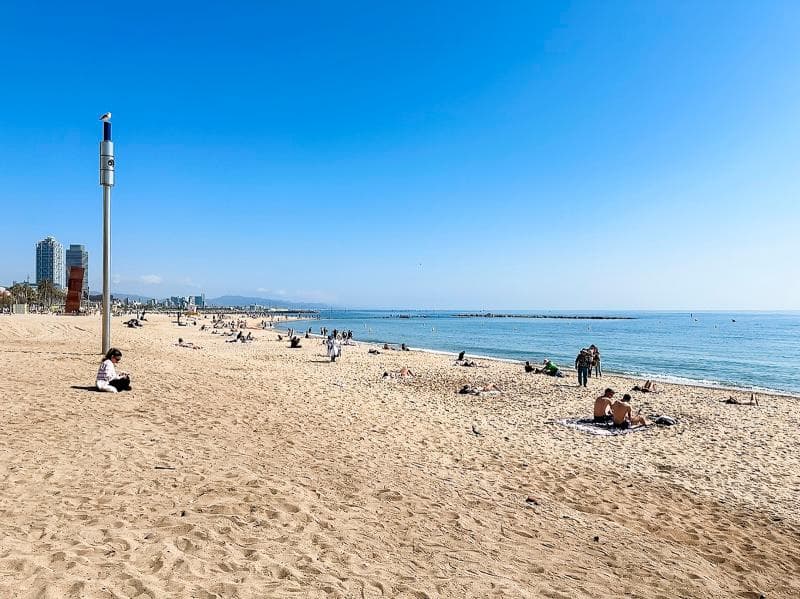
Discover Passeig Marítim, the lively promenade at Barceloneta Beach in Barcelona, Spain. Explore its history, art, and vibrant seaside culture.
Overview
The Passeig Marítim de la Barceloneta is more than just a seaside promenade; it is the vibrant heart of Barcelona's coastal life, situated within the dynamic Barceloneta Beach area. This iconic stretch, a crucial part of the Ciutat Vella district, offers a lively blend of urban energy and Mediterranean charm. It serves as a favored destination for both locals and travelers seeking sun, sea, and a true taste of Barcelona's unique culture.
As you stroll along this bustling walkway, you are enveloped by a cosmopolitan atmosphere, with the glistening Mediterranean Sea on one side and a parade of activity on the other. It's a place where golden sands meet diverse cultures, inviting visitors to relax, engage in various activities, and savor delicious local cuisine.
History & Cultural Background
The story of Passeig Marítim and the Barceloneta neighborhood is deeply intertwined with Barcelona's evolution. The neighborhood itself was engineered in 1753, not as a beach resort, but as a planned district to house residents displaced by the construction of the Ciutadella fortress after the 1714 military defeat. Before this, the area was largely marshland and once a sandy island called Maians, gradually integrated into the mainland through port construction.
Barceloneta's original layout, characterized by its orthogonal street grid and restricted building heights, reflects its military origins, designed by engineers like Juan Martín Cermeño. It quickly became a hub for fishermen, sailors, and port workers, fostering a strong maritime identity that persists today. However, the shoreline we see now is a much more recent development. For much of the 20th century, the area was an industrial front, lined with factories and railway tracks. The dramatic transformation occurred primarily in preparation for the 1992 Olympic Games, when the city cleaned up its coastline, removed industrial infrastructure, and created the public beach and promenade that now symbolize Barcelona's embrace of its Mediterranean heritage.
What Makes It Special
The Passeig Marítim stands out for its dynamic energy and picturesque setting. Stretching for approximately 1.5 kilometers along Barceloneta Beach, it offers ample space for leisurely walks, invigorating runs, cycling, and rollerblading. The promenade is a living gallery of modern art, featuring striking installations such as Frank Gehry's monumental 'Peix' (Golden Fish) sculpture, an iconic golden copper fish that seems to leap towards the sea, and Rebecca Horn's 'L'Estel Ferit' (The Wounded Star), also known as 'The Cubes,' a tribute to the fishing district.
Beyond its aesthetic appeal, the Passeig Marítim is a social melting pot. Its proximity to the historical Barceloneta neighborhood ensures a constant flow of life, from sunbathers and swimmers to street performers and local vendors. The promenade is also dotted with numerous chiringuitos (beach bars), cafes, and restaurants, offering fresh seafood and traditional Spanish cuisine, providing perfect spots to relax and soak in the vibrant atmosphere.
Stories, Fun Facts & Local Details
Barceloneta, the neighborhood backing the Passeig Marítim, is steeped in tales. It is said that the fishing village atmosphere of Barceloneta even inspired parts of Miguel de Cervantes' renowned novel, 'Don Quixote,' where a climactic fight takes place in a similar setting.
A delicious local detail is the origin of 'La Bomba,' a popular tapa. This spicy potato croquette was invented in 1944 at La Cova Fumada, a humble bar in the heart of Barceloneta, which remains a culinary institution today. The neighborhood's unique triangular shape, bordered by the sea and the old port, is a direct result of the 18th-century urban planning, showcasing Baroque grid architecture that is remarkably preserved. Even today, the narrow streets and traditional fishermen's houses, often with laundry hanging from balconies, offer a glimpse into its rich working-class history and maritime spirit, distinct from other parts of Barcelona.
Visitor Perspective
For visitors, the Passeig Marítim offers a quintessential Barcelona experience. Whether you're looking to bask in the sun, take a refreshing dip in the Mediterranean, or simply enjoy a scenic stroll, this promenade provides it all. The early mornings often bring a sense of calm, ideal for a quiet walk or jog as the sun rises, while late afternoons and evenings come alive with golden light and a buzzing social scene.
While the atmosphere is generally lively and welcoming, especially during peak seasons, the Barceloneta section can become quite crowded. Visitors should also be mindful of their belongings, as pickpocketing can occur in busy areas. The promenade is easily accessible, with the Barceloneta metro station (L4) providing convenient transport, making it a must-visit spot to truly connect with Barcelona's coastal charm and historical layers.
Coordinates: 2.1939, 41.3819
View on Google Maps💬 How Travelers Describe This Place
Based on community votes
Beautiful
826Must See
387Unique
242Photogenic
125Interesting
82
Traveler Stories
Discover memorable experiences shared by travelers who have visited this place.
No traveler stories yet.
Be the first traveler to share what made this place memorable.

Tour
By
Spot
Discover amazing places around the world. Your journey starts here.
Explore
© 2026 TourBySpot. All rights reserved.