Altstadt Von Graz
Graz, Austria
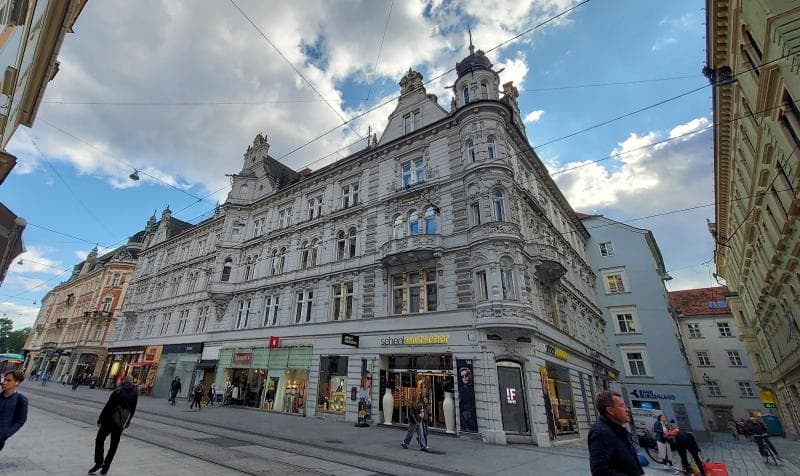
Explore the Altstadt Von Graz, Austria: a UNESCO World Heritage site rich in history, stunning architecture, and captivating stories. Discover its charm.
Overview
Nestled in the heart of Styria, Austria, the Altstadt von Graz, or Old Town of Graz, stands as a testament to centuries of rich European history and culture. This captivating urban core has earned its prestigious place on the UNESCO World Heritage list, a recognition bestowed in 1999 for its remarkably well-preserved architecture and the harmonious fusion of various historical styles. As the capital of Styria and Austria's second-largest city, Graz offers a vibrant experience, where ancient cobblestone streets lead to grand squares and hidden courtyards, each telling a story of times past.
The Altstadt is more than just a collection of old buildings; it is a living, breathing museum where Gothic, Renaissance, and Baroque masterpieces coexist seamlessly with contemporary design, creating a truly unique urban landscape. It invites visitors to step back in time while still embracing the dynamism of a modern European city.
History & Cultural Background
The history of the Altstadt von Graz is deeply etched into its stone facades and winding alleys. From its early days as an important center of trade during the Middle Ages, Graz steadily grew in prominence, developing a distinct architectural identity. The city's strategic location fostered a blend of influences from Germanic, Mediterranean, and Balkan cultures, which is visibly reflected in its diverse building styles. This rich cultural tapestry culminated in its designation as a UNESCO World Heritage Site in 1999, specifically recognizing the historic center's outstanding universal value.
A significant extension to this recognition came in 2010 when the magnificent Schloss Eggenberg, a Baroque palace complex just outside the Altstadt, was added to the World Heritage site, further highlighting Graz's architectural and cultural significance. The city's commitment to preserving its historical integrity while fostering innovation has allowed its past to remain vibrantly alive for future generations. The architecture serves as a chronological journey, showcasing the evolution of European urban development.
What Makes It Special
What truly sets the Altstadt von Graz apart is its reputation as one of the 'best preserved city centers in Central Europe'. This isn't merely about individual buildings, but the entire urban fabric – the interconnected streets, squares, and architectural ensembles that have retained their authentic character over centuries. The seamless integration of Gothic rigor, Renaissance elegance, and Baroque grandeur is a visual feast, making every stroll an architectural discovery.
Dominating the skyline is the iconic Schlossberg, a tree-clad hill crowned by the remnants of a fortress, now a beloved public park. Offering unparalleled panoramic views of the city's red rooftops and beyond, the Schlossberg is a symbol of Graz. At the heart of the Altstadt lies Hauptplatz, the historic main square which served as a bustling market since medieval times. Here, the impressive Erzherzog Johann Fountain stands as a focal point, surrounded by beautifully preserved buildings like the Luegg Houses, notable for their masonry arcades and a stunning 17th-century stucco façade.
Stories, Fun Facts & Local Details
Beyond its grand history, the Altstadt von Graz holds many charming stories and local details that bring its past to life. One delightful aspect is its culinary identity; since 2008, Graz has proudly held the title of 'Austria's Foodie Capital'. This distinction celebrates its commitment to sustainable enjoyment, regional quality, and authentic culinary experiences infused with a delightful Mediterranean flair. This means that amidst the historical grandeur, you'll find vibrant markets like the Kaiser Josef Market, brimming with regional delicacies waiting to be savored.
The city's vibrant cultural scene is a testament to its ability to blend the old with the new, positioning Graz as a leading cultural capital where historic architecture provides a backdrop for contemporary art. The famous Schlossberg clock tower, without the typical hour and minute hands (the large hand shows the hour, the small one the minute), is a unique landmark that often sparks conversation. Wandering through its 'hidden alleys, romantic courtyards, [and] ornate facades', visitors are constantly surprised by new discoveries, reflecting the city's layered history and enduring charm.
Visitor Perspective
For the curious traveler, visiting the Altstadt von Graz is an immersive journey rather than a simple sightseeing trip. As you wander, you'll experience a tangible connection to history, feeling the echoes of bygone eras in every cobblestone and archway. The atmosphere is an inviting blend of 'baroque grandeur and Mediterranean ease', creating a unique sense of place that is both majestic and welcoming.
The beauty of the Altstadt lies in its invitation to simply 'stroll and let yourself be surprised'. Around every corner, a new discovery awaits: a quiet courtyard perfect for reflection, an intricately decorated facade revealing a past artisan's touch, or a bustling square alive with local chatter. It's a place where history isn't just observed but felt, where the past and present merge in a captivating dance, offering a truly memorable experience for anyone who steps within its ancient confines.
Coordinates: 15.44197, 47.06733
View on Google Maps💬 How Travelers Describe This Place
Based on community votes
Photogenic
551Interesting
547Unique
336Beautiful
219Must See
186
Traveler Stories
Discover memorable experiences shared by travelers who have visited this place.
No traveler stories yet.
Be the first traveler to share what made this place memorable.
Things to see at Altstadt Von Graz



Tour
By
Spot
Discover amazing places around the world. Your journey starts here.
Explore
© 2026 TourBySpot. All rights reserved.