Courtyards
Graz, Austria
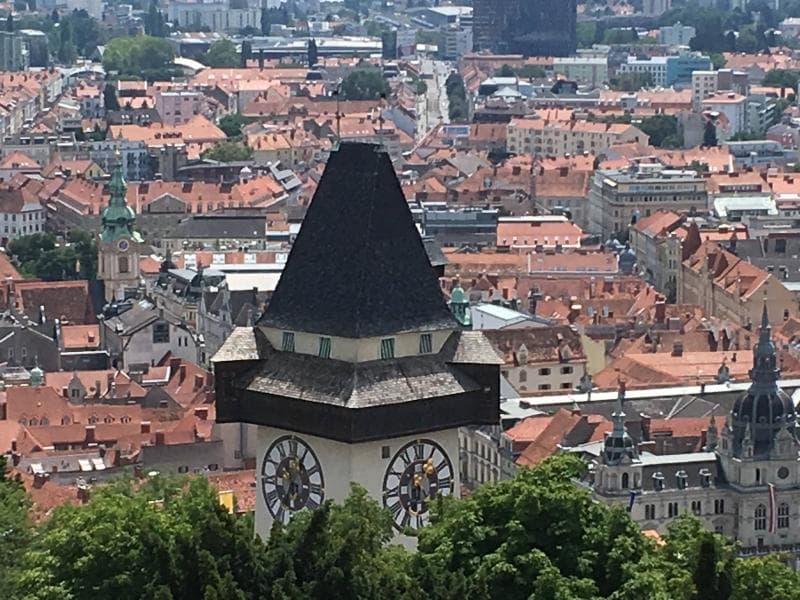
Discover the hidden courtyards of Graz's Altstadt, a UNESCO World Heritage site in Austria. Explore centuries of history, unique architecture, and peaceful retreats.
Overview
Tucked away behind the grand facades and bustling streets of Graz's UNESCO World Heritage-listed Old Town, lie the enchanting courtyards – a network of hidden gems that offer a serene escape into the city's rich past. These courtyards are considered among the hidden treasures of the city's Old Town, providing peaceful spaces adorned with arcades, intricate architectural details, and a unique, tranquil atmosphere. Often discovered only at a second glance, these secluded havens reveal a different, quieter side of Graz, inviting curious travelers to step off the beaten path and explore centuries of history and culture. With hundreds of courtyards throughout the city, many are freely accessible, each telling its own distinct story through its architecture and design.
History & Cultural Background
The courtyards of Graz are deeply intertwined with the city's historical evolution, reflecting diverse architectural influences and past functions. Historically, these spaces served various purposes: they were places of trade, grand residences for the affluent, or integral parts of monastic complexes. Their design, particularly the prevalence of arcades, was not merely aesthetic but functional, providing light, air, and connection between different floors of the buildings. The Italian Renaissance, in particular, left an indelible mark on Graz's courtyard architecture, a testament to the strong cultural ties between Styria and Italy. The Landhaushof, for instance, is a prime example of this influence, with its design reminiscent of Venetian palazzos and considered a masterpiece of the Italian Renaissance. Some courtyards still preserve old wells or cisterns, serving as tangible reminders of the city's historical water supply systems. As part of the UNESCO World Heritage site, these courtyards vividly illustrate how history and daily life have seamlessly coexisted and evolved within Graz's old town over centuries.
What Makes It Special
What truly sets Graz's courtyards apart is their 'hidden gem' quality and the sense of discovery they offer. Many are barely visible from the street, revealing their beauty only to those who venture inside. This creates an intimate experience, a private moment with history away from the public gaze. The architectural diversity is striking, ranging from the medieval character of courtyards like the Rosenhof to the magnificent Renaissance arcades of the Landhaushof and the Baroque grandeur of others. These spaces often surprise visitors with their blend of peace and historical resonance; one might find a charming café nestled within ancient walls or a beautifully maintained green space providing a quiet retreat. The courtyards exemplify Graz's unique charm, blending historical postcard aesthetics with a dynamic, almost edgy appeal.
Stories, Fun Facts & Local Details
The courtyards are ripe with stories and local charm. The Landhaushof, for example, is not only an architectural marvel but also a vibrant cultural hub, hosting concerts, theater performances, and celebrations, including the renowned ice nativity scene during Advent. It's even rumored to have strict etiquette rules, inscribed on a 'Rumortafel' from the 16th century. Another notable courtyard is the Hof des deutschen Ritterordens (Courtyard of the Teutonic Order) in Sporgasse, a 'real jewel' of the old town with its distinctive 'Murnockerl' paving and arcades. The cloister of the Franciscan monastery, established in 1239, offers a profoundly peaceful experience, a stark contrast to the nearby bustling Herrengasse. It is a place for quiet reflection, where the simple stone arcades and the filtering light create an atmospheric density. Some courtyards have even hosted historical figures, like the one at Herrengasse 13, which was reportedly visited by Napoleon Bonaparte. These small details and the unexpected encounters make exploring Graz's courtyards a truly memorable experience.
Visitor Perspective
For the curious traveler, exploring Graz's courtyards is an adventure in itself. The best way to experience them is to 'get lost' and allow oneself to wander aimlessly, stepping off the main paths to discover these charming, greenery-filled spaces behind historic facades. Many travel guides recommend giving free rein to one's curiosity, as this approach often uncovers true 'gems' amidst the city's hustle and bustle. Visitors can enjoy a coffee or a chilled glass of wine in the shade of arcades, marveling at the architecture. Guided city tours are also available, often including visits to selected courtyards, providing deeper insights into their history, architecture, and current uses. These tours reveal a side of Graz that many might otherwise miss, emphasizing the intimate and authentic atmosphere of these often-hidden places.
Coordinates: 15.439504, 47.070714
View on Google Maps💬 How Travelers Describe This Place
Based on community votes
Beautiful
915Interesting
873Photogenic
422Must See
123Unique
53
Traveler Stories
Discover memorable experiences shared by travelers who have visited this place.
No traveler stories yet.
Be the first traveler to share what made this place memorable.

Tour
By
Spot
Discover amazing places around the world. Your journey starts here.
Explore
© 2026 TourBySpot. All rights reserved.