Alpenzoo Innsbruck
Innsbruck, Austria
Discover Alpenzoo Innsbruck, Austria's unique Alpine zoo. Explore 150 species native to the Alps amidst stunning mountain views and learn about vital conservation efforts.
Overview
Perched high above the charming city of Innsbruck in Austria, the Alpenzoo offers a truly distinctive experience, focusing exclusively on the diverse and resilient fauna of the Alpine region. As one of Europe's highest-elevation zoos, it provides breathtaking panoramic views of the Inn Valley and the surrounding Nordkette mountains, seamlessly blending wildlife observation with stunning natural scenery. Housing approximately 2,000 animals across 150 species, this unique 'theme zoo' is dedicated to showcasing the rich biodiversity found within the Alps. Visitors can explore naturalistic enclosures, aquariums, and terrariums designed to mimic the animals' native habitats, making it an ideal destination for families, nature enthusiasts, and curious travelers alike.
History & Cultural Background
The story of Alpenzoo Innsbruck began with a profound vision to preserve and highlight Alpine wildlife. Founded on September 22, 1962, by the Austrian zoologist Hans Psenner, the zoo was established with the noble goal of creating a sanctuary for animals native to the Alpine world. Psenner's aspiration was to create a space where wild animals endemic to the region could be kept and bred, a concept that immediately resonated and made it a popular attraction. Interestingly, the area itself has a historical connection to wildlife conservation, with Archduke Ferdinand II having established an imperial zoo at nearby Weiherburg Castle as early as 1591. From its inception, Alpenzoo distinguished itself by its specialized focus, striving to create conditions for its inhabitants that closely resemble their natural Alpine environment.
What Makes It Special
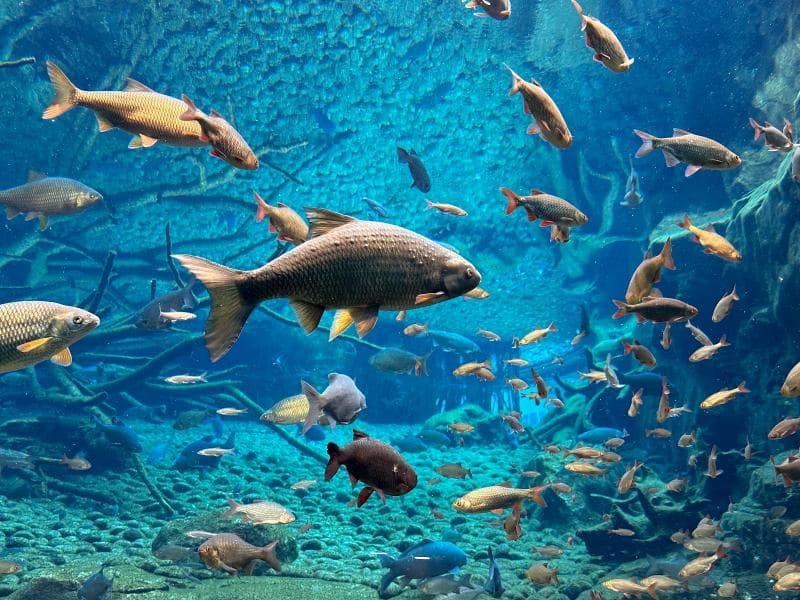
What truly sets Alpenzoo Innsbruck apart is its exclusive dedication to Alpine fauna, making it the world's largest zoo of its kind. This specialized approach means visitors encounter animals uniquely adapted to high-altitude life, from the majestic Alpine ibex and chamois to elusive lynxes, wolves, and mighty brown bears. The zoo also boasts a diverse collection of Alpine birds, reptiles, amphibians, and nearly all fish species found in the Alps, including the world's largest cold-water aquarium. Beyond exhibiting animals, Alpenzoo is a vital center for conservation and research. It has achieved international recognition for its successful breeding and reintroduction programs for endangered species, such as the bearded vulture, Alpine ibex, and northern bald ibis. The zoo's scientific department, established in 1986, conducts important research, contributing to the understanding and protection of Alpine biodiversity.
Stories, Fun Facts & Local Details
Alpenzoo is rich with fascinating details and conservation successes. For instance, in 1974, it was the first institution to successfully breed the bearded vulture ex-situ in the Alps, playing a crucial role in its reintroduction. Similarly, the zoo was instrumental in the reintroduction of the Alpine ibex into the Eastern Alps, significantly contributing to the current stable population in Austria. A particularly heartwarming success story involves the Eurasian otter; Alpenzoo was the first zoo in Europe to successfully breed this highly endangered species in 1978. Visitors often delight in the local legend that when the church bells ring in Innsbruck, the wolves at the Alpenzoo sometimes howl in unison. The zoo also hosts a demonstration farm featuring old Tyrolean breeds, and its educational offerings are further enriched by a natural history museum in the Weiherburg, opened in 2021. A new snail-shaped wooden pavilion, inaugurated in 2017, serves as an educational center on forestry and the wood industry, showcasing sustainable design.
Visitor Perspective
A visit to Alpenzoo is a journey through the Alpine wilderness. Situated on a mountainside, the zoo's design allows for naturalistic observation while offering spectacular views. Pathways wind through the enclosures, leading visitors through diverse Alpine habitats. Most animals are active year-round, though some, like marmots, reptiles, and amphibians, hibernate in winter. The spring and summer months, from April to June, are particularly lively, as many young animals are born, offering a chance to see ibex fawns and chamois kids. Getting to the zoo is straightforward; it's about a 20-minute walk from Innsbruck's historic city center, or easily accessible via public transport like the Hungerburgbahn funicular or the 'W' bus line. The zoo is committed to accessibility, with wide paths and several accessible enclosures, and offers measures like electric wheelchairs for visitors with limited mobility.
Coordinates: 11.39806, 47.28056
View on Google Maps💬 How Travelers Describe This Place
Based on community votes
Interesting
958Beautiful
743Unique
719Photogenic
382Must See
176
Traveler Stories
Discover memorable experiences shared by travelers who have visited this place.
No traveler stories yet.
Be the first traveler to share what made this place memorable.
Things to see at Alpenzoo Innsbruck



Tour
By
Spot
Discover amazing places around the world. Your journey starts here.
Explore
© 2026 TourBySpot. All rights reserved.