Alpine Animal Enclosures
Innsbruck, Austria
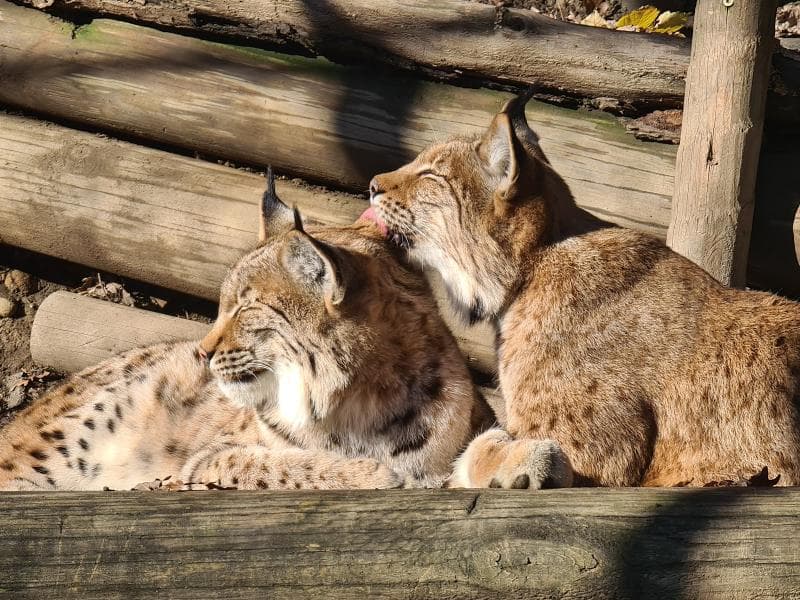
Explore the unique Alpine Animal Enclosures at Alpenzoo Innsbruck, Austria. Discover over 150 species of native Alpine wildlife in Europe's highest-altitude zoo.
Overview
Perched high above the charming city of Innsbruck in Austria, the Alpine Animal Enclosures within Alpenzoo Innsbruck offer a truly unique immersion into the world of Alpine wildlife. This exceptional zoological park distinguishes itself as the world's only 'themed zoo' dedicated exclusively to the fauna of the Alps, providing an unparalleled opportunity to encounter species native to this majestic mountain range. Situated at an impressive altitude ranging from 727 to 750 meters above sea level, it proudly holds the distinction of being one of Europe's highest zoos. Visitors are treated not only to glimpses of rare and fascinating animals but also to breathtaking panoramic vistas of Innsbruck and the sprawling Inn Valley below.
The Alpenzoo is home to a rich tapestry of life, housing over 2,000 animals representing approximately 150 different Alpine species. These creatures thrive in thoughtfully designed, natural-like enclosures, aviaries, aquariums, and terrariums that aim to replicate their native habitats as closely as possible. A typical visit to explore these diverse animal worlds and take in the stunning surroundings usually spans about two to three hours.
History & Cultural Background
The vision for Alpenzoo Innsbruck began to take shape with Austrian zoologist Hans Psenner, who is widely regarded as the 'father of the Alpine Zoo'. After years of dedicated effort to advocate for a specialized Alpine wildlife park, Psenner saw his dream realized with the zoo's official opening on September 22, 1962. The founding concept sought to echo the atmosphere of a Renaissance garden, drawing a historical link to an imperial zoo established in 1591 at the nearby Weiherburg Castle by Archduke Ferdinand II.
The Weiherburg castle itself, a significant landmark adjacent to the zoo's entrance, holds deep historical roots, dating back to the 15th century. Today, the zoo operates as a non-profit association, sustained by visitor entrance fees, alongside crucial financial support from the city of Innsbruck, the Tyrolean government, and the dedicated 'Freunde des Alpenzoo' society.
What Makes It Special
The Alpine Animal Enclosures are not merely a collection of wildlife; they represent the world's most comprehensive gathering of Alpine animals, making Alpenzoo a global leader in its specialized field. One of its truly exceptional residents is the wallcreeper, which Alpenzoo is the only zoo in the world to exhibit. Another highlight is the world's largest cold-water aquarium, a remarkable installation that showcases approximately 50 distinct species of Alpine fish, some of which are quite rare.
Beyond exhibition, the Alpenzoo plays a critical role in conservation. It is deeply committed to breeding programs and the reintroduction of endangered species back into their natural habitats, with notable successes including the bearded vulture, Alpine ibex, and northern bald ibis. The animal enclosures themselves are meticulously designed to mimic natural environments, incorporating elements such as flowing water features, rugged rocky slopes, and hidden retreats that provide genuine habitat simulation. In a nod to sustainability and education, a distinctive snail-shaped wooden pavilion was unveiled in 2017, offering insights into forestry and the wood industry.
Stories, Fun Facts & Local Details
Visiting the Alpenzoo offers a chance to witness the rhythms of nature firsthand. Spring, typically from April to June, is a particularly enchanting time as many young animals are born, filling the enclosures with playful new life. During the colder winter months, some residents like marmots, reptiles, and amphibians enter a state of hibernation, remaining unseen until spring awakens them.
A unique local anecdote tells of the Alpenzoo's wolves, who are sometimes heard howling in unison with Innsbruck's church bells, creating an unexpected symphony echoing through the mountains. The zoo has also been instrumental in fascinating conservation projects, such as training northern bald ibises to follow a microflight as part of a reintroduction to migration. Rescued wild animals, like marmots, often find a temporary home and care at the zoo before being rehabilitated and released back into the wild. The Alpenzoo also maintains a special show farm, featuring endangered domestic animal breeds, including the robust Tyrolean pigs and the distinctive Valais Blacknose Sheep. Its cultural significance was even recognized with its animals – the bearded vulture, lynx, and Alpine ibex – being featured on a special collectible zero Euro banknote. Some enclosures are designed for accessibility, allowing visitors to walk through and experience animal life more intimately.
Visitor Perspective
The Alpine Animal Enclosures are conveniently accessible for all travelers. From Innsbruck's city center, it's a pleasant 20-minute walk, or visitors can opt for public transport via the Bus W or the scenic Hungerburgbahn funicular, which stops directly at 'Alpenzoo'. The zoo's grounds are largely designed to be barrier-free, with the upper areas featuring slopes that are manageable with electric wheelchairs, and special accommodations are available for visitors with disabilities, including specific low-stimulus opening hours and free electric wheelchairs.
Families will appreciate the large adventure playground, often situated near the bear enclosure, providing an excellent break for younger visitors. For added convenience, combination tickets are available, covering both the funicular ride and zoo admission. It's important to note that dogs are generally not permitted within the zoo to ensure the animals' tranquility. While paid parking is available on-site, it can fill up quickly, especially on busy weekends. Throughout the enclosures, clear and informative descriptions are provided for each animal, enriching the learning experience. A recent addition, the 'Fox, Badger and Friends Shelter', opened in 2023, offering innovative underground viewing platforms for a unique perspective into subterranean habitats.
Coordinates: 11.39806, 47.28056
View on Google Maps💬 How Travelers Describe This Place
Based on community votes
Interesting
722Unique
698Must See
276Beautiful
126Photogenic
19
Traveler Stories
Discover memorable experiences shared by travelers who have visited this place.
No traveler stories yet.
Be the first traveler to share what made this place memorable.

Tour
By
Spot
Discover amazing places around the world. Your journey starts here.
Explore
© 2026 TourBySpot. All rights reserved.