Bear Habitat
Innsbruck, Austria
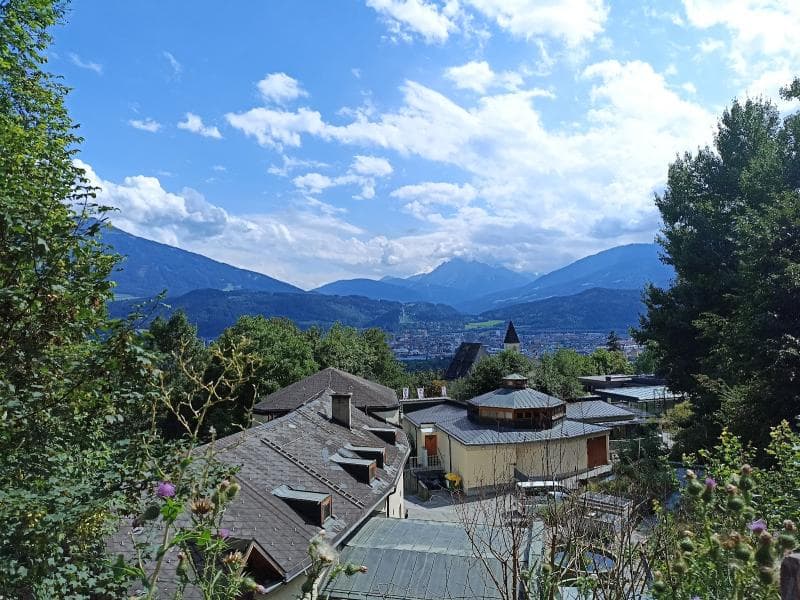
Explore the Bear Habitat at Alpenzoo Innsbruck, Austria. Witness majestic brown bears in their Alpine home, learn about conservation efforts.
Overview
Nestled high in the picturesque Alps of Innsbruck, Austria, the Alpenzoo offers a unique window into the rich biodiversity of Europe's highest mountain range. Among its many fascinating inhabitants, the Bear Habitat stands out as a particular draw, providing a rare opportunity to observe brown bears in an environment carefully designed to mimic their natural Alpine home. This special sub-spot within the world's only zoo dedicated exclusively to Alpine fauna allows visitors to connect with these majestic creatures and understand their vital role in the ecosystem. The Alpenzoo, as a whole, is home to approximately 2,000 animals across 150 species, all native to the Alpine region, making it an unparalleled center for learning and conservation.
History & Cultural Background
The history of the Alpenzoo is deeply intertwined with the vision of its founder, the Austrian zoologist Hans Psenner. Established on 22 September 1962, Psenner's lifelong dream was to create a sanctuary for Alpine wildlife, focusing on conservation and the potential reintroduction of endangered species back into their natural habitats. This modern institution also echoes a much older tradition; an imperial zoo was established nearby at Weiherburg Castle as early as 1591 by Archduke Ferdinand II, hinting at a long-standing fascination with the region's animal life. The commitment to providing optimal living conditions for its residents is evident in the continuous development of the zoo, including the opening of a new, expansive bear enclosure in 2003, which significantly enhanced the living space for its brown bear residents.
What Makes It Special
The Alpenzoo's distinctiveness stems from its singular focus on the Alpine region, a characteristic that sets it apart as the only zoo of its kind globally. Perched at an impressive altitude, it is recognized as one of Europe's highest-elevation zoos, offering breathtaking panoramic views of Innsbruck and the surrounding mountainscape. Within this specialized context, the Bear Habitat showcases brown bears, which are considered crowd-pullers and symbols of Alpine wilderness. The zoo's dedicated conservation efforts extend to several endangered species, with successful reintroduction programs for animals like the bearded vulture, Alpine ibex, and northern bald ibis. Visitors gain an appreciation not just for the animals themselves, but for the critical work being done to preserve the fragile biodiversity of the Alps.
Stories, Fun Facts & Local Details
Observing the brown bears in their habitat can be a truly engaging experience. These magnificent omnivores are known for their ability to gain significant weight in preparation for winter. A fascinating fact is that a bear can consume up to 30 kilograms of berries, primarily blueberries and cranberries, in a single day to build up the necessary fat reserves for hibernation. During their winter rest, bears remarkably only lose fat cells, with muscle cells remaining intact – a process still largely a mystery to science. Newborn bear cubs are incredibly tiny at birth, weighing around 300 grams, a stark contrast to their mothers who can be hundreds of times heavier. Children, in particular, are captivated by the bears, often watching them bask in the sun or playfully bathe. For younger visitors, the zoo even features a 'bear cave playground,' adding a fun, themed element to their exploration. The zoo demonstrates its commitment to accessibility with a 'bear mobile,' a special service for visitors with limited mobility, ensuring everyone can enjoy the wonders of the Bear Habitat and beyond.
Visitor Perspective
A visit to the Bear Habitat and the wider Alpenzoo is designed to be both educational and inspiring. The zoo is praised for its naturalistic enclosures and the evident care taken to maintain excellent conditions for its animals. Pathways are generally wide, making the lower sections of the zoo easily navigable, though some steeper paths in the upper areas might require assistance for those with mobility challenges. The option of using the ‘bear mobile’ highlights the zoo's efforts to be inclusive. Guests can easily reach the Alpenzoo, either by a pleasant 20-minute walk from Innsbruck's historic city center, via efficient public transport options like the Hungerburgbahn funicular, or by car. Beyond the fascinating animal encounters, the journey to and through the zoo offers spectacular views of Innsbruck, making the entire experience a memorable one for families and curious travelers alike.
Coordinates: 11.39806, 47.28056
View on Google Maps💬 How Travelers Describe This Place
Based on community votes
Interesting
965Must See
862Photogenic
629Beautiful
443Unique
184
Traveler Stories
Discover memorable experiences shared by travelers who have visited this place.
No traveler stories yet.
Be the first traveler to share what made this place memorable.

Tour
By
Spot
Discover amazing places around the world. Your journey starts here.
Explore
© 2026 TourBySpot. All rights reserved.