Zoo Area
Belgrade, Serbia
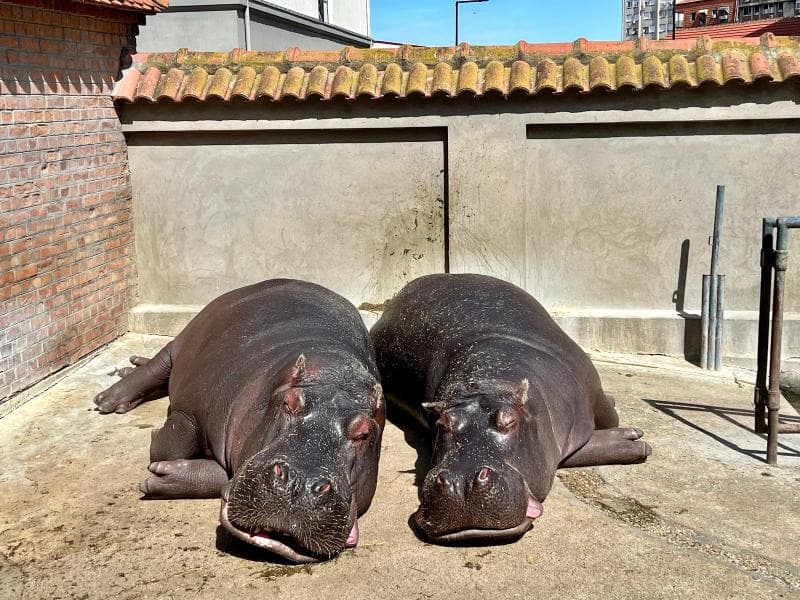
Discover the Belgrade Zoo, 'The Garden of Good Hope,' nestled within Kalemegdan Park, Belgrade, Serbia. Explore its rich history and diverse wildlife.
Overview
Nestled within the sprawling historic grounds of Kalemegdan Park in Belgrade, Serbia, lies the Belgrade Zoo, affectionately known as 'Vrt dobre nade' or 'The Garden of Good Hope'. This beloved institution, established in 1936, offers a tranquil escape from the urban bustle, inviting visitors into a world of diverse wildlife. The zoo occupies a picturesque area of approximately seven hectares within the park's Lower Town section, making it an integral part of Belgrade's most significant cultural and historical monument, the Belgrade Fortress.
The Zoo Area provides a home to a rich collection of around 800 animals, representing over 200 species from various continents. It's a place where you can observe majestic big cats, playful primates, exotic birds, and fascinating reptiles, all within a setting that blends natural beauty with historical fortifications. Beyond being a popular attraction, the Belgrade Zoo plays a crucial role in biodiversity conservation and educational initiatives, fostering awareness and respect for nature.
History & Cultural Background
The story of the Belgrade Zoo began on July 12, 1936, officially opened by the then-mayor of Belgrade, Vlada Ilić. Its initial size was a modest 3.5 hectares but quickly expanded to approximately 14 hectares, embracing parts of Kalemegdan's Lower Town. The zoo rapidly became a cherished spot for locals and even attracted members of the Karađorđević dynasty, reflecting its immediate popularity.
However, the zoo's early years were not without hardship. During World War II, it suffered immensely, bombed twice – first by the Nazis in 1941 and again by the Allies in 1944. These devastating events heavily damaged its infrastructure and led to the tragic loss of most of its animal inhabitants. The zoo also saw its land area reduced to the current seven hectares. Despite these profound challenges, the Belgrade Zoo recovered over time, symbolizing the city's own resilience and capacity for renewal.
What Makes It Special
The Belgrade Zoo's unique charm stems largely from its extraordinary location within Kalemegdan Park and the Belgrade Fortress. This juxtaposition of ancient walls, lush greenery, and diverse wildlife creates an atmosphere unlike any other. Visitors can enjoy panoramic views of the Sava and Danube rivers while strolling through the animal exhibits, creating a memorable experience where history and nature converge.
The zoo is particularly renowned for its success in breeding white lions, a symbolic choice given that Belgrade's name means 'white city'. It was one of the first zoos in Europe to house white lions, receiving its initial pair from Kruger National Park in 2005. The presence of these striking animals, along with white tigers and white bison, adds a rare and captivating dimension to the collection.
Stories, Fun Facts & Local Details
The Belgrade Zoo is home to several animal 'celebrities' that have captured the hearts of visitors. One such legendary resident is Muja the alligator, considered the oldest living alligator in the world. He arrived before World War II and remarkably survived the wartime bombardments, becoming a living testament to Belgrade's enduring spirit of survival and recovery.
Another famous character was Sami the chimpanzee, known for his audacious escapes in 1988. On two separate occasions, Sami ventured into downtown Belgrade, drawing widespread public attention before being safely returned to the zoo. A statue dedicated to Sami now stands near the ape house, commemorating his adventurous spirit and unique bond with the city. The zoo also features a petting zoo with domestic animals like alpacas, rabbits, and pygmy goats, offering interactive experiences, especially for younger visitors.
Visitor Perspective
Visiting the Zoo Area in Kalemegdan Park offers a delightful journey for curious travelers of all ages. The compact layout of the zoo allows for an intimate experience with the animals, while the historical backdrop of the fortress provides a sense of wonder and connection to Belgrade's past.
It's a place where the sounds of the city fade, replaced by the laughter of children and the calls of exotic birds. The zoo is easily accessible from the city center, making it a convenient stop during a day of exploring Belgrade's historic district. Beyond mere entertainment, the Belgrade Zoo fosters an appreciation for wildlife and conservation, leaving visitors with a deeper understanding of the natural world and a cherished memory of their time in the 'Garden of Good Hope'.
Coordinates: 20.45333, 44.82583
View on Google Maps💬 How Travelers Describe This Place
Based on community votes
Beautiful
623Interesting
545Unique
343Must See
302Photogenic
20
Traveler Stories
Discover memorable experiences shared by travelers who have visited this place.
No traveler stories yet.
Be the first traveler to share what made this place memorable.

Tour
By
Spot
Discover amazing places around the world. Your journey starts here.
Explore
© 2026 TourBySpot. All rights reserved.