Zojo-ji Temple
Tokyo, Japan
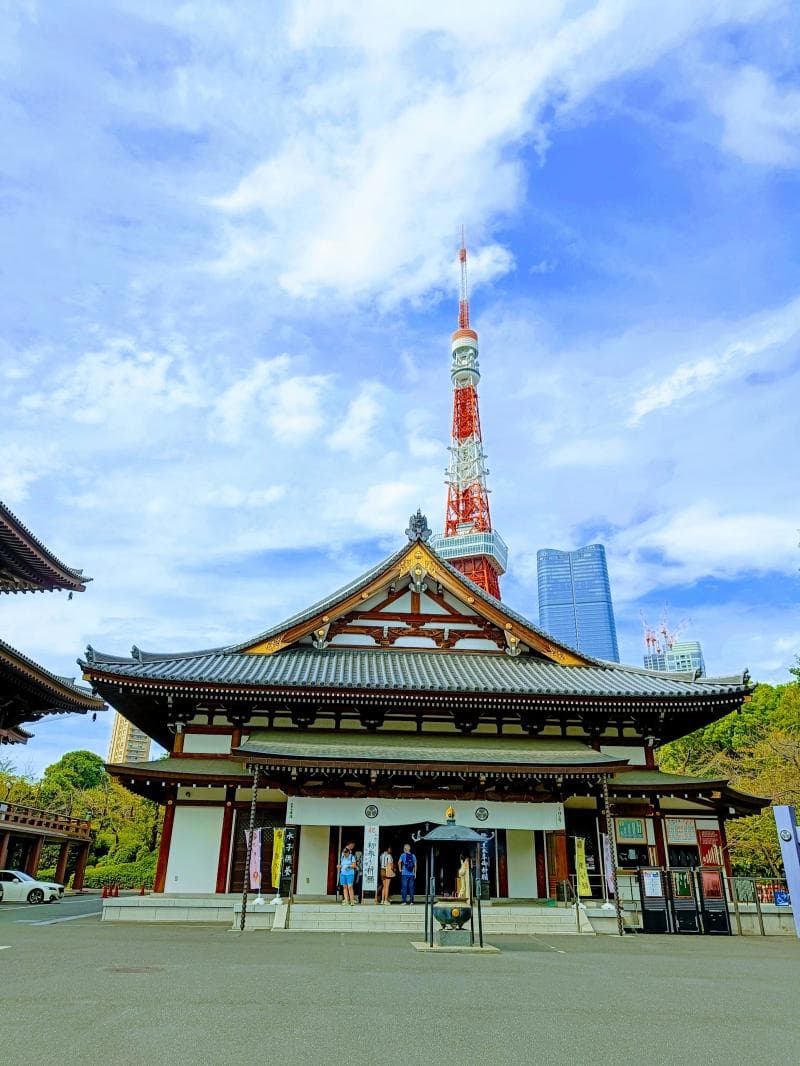
Explore Zojo-ji Temple in Tokyo, Japan, a historic Buddhist temple and resting place of Tokugawa shoguns, offering a serene escape next to Tokyo Tower.
Overview
Nestled beside the iconic Tokyo Tower in the heart of Minato, Tokyo, Zojo-ji Temple stands as a profound testament to Japan's rich history and spiritual heritage. This prominent Buddhist temple, belonging to the Jodo-shu (Pure Land) sect, offers a serene escape from the city's bustling pace, inviting visitors to step back in time. Its unique location provides a captivating juxtaposition: ancient temple grounds with the modern marvel of Tokyo Tower soaring above, creating a truly unforgettable visual.
Zojo-ji is not merely a place of worship; it's a living museum that chronicles centuries of Japanese culture, particularly its deep ties to the powerful Tokugawa clan. While many of its original structures were lost to time and conflict, the spirit of devotion and historical significance remains palpable, drawing both local worshippers and curious travelers seeking insight into Japan's past and present.
History & Cultural Background
The origins of Zojo-ji Temple date back to 1393 when it was founded as a Jodo-shu Buddhist seminary. Its destiny dramatically changed with the rise of Tokugawa Ieyasu, the founder of the Tokugawa shogunate. In 1590, when Ieyasu entered Edo (now Tokyo), he designated Zojo-ji as his family temple. Consequently, in 1598, the temple was relocated to its current expansive site, growing into an unparalleled grand complex with numerous sub-temples and schools.
For over 250 years, during the Edo period, Zojo-ji served as the Tokugawa clan's official temple and the administrative heart for Jodo-shu Buddhism in the Kanto region. Six of the Tokugawa shoguns are entombed within the temple grounds, along with their wives and children, making it a crucial historical site for understanding Japan's feudal era. Despite suffering significant destruction during World War II air raids, including most of its grand buildings and mausoleums, Zojo-ji has been meticulously rebuilt and restored, continuing its role as a spiritual and cultural anchor.
What Makes It Special
Zojo-ji Temple holds several distinctive features that set it apart. Its most striking original structure is the Sangedatsumon, the main gate, built in 1622. This impressive vermillion-lacquered gate is the oldest wooden building in Tokyo and miraculously survived fires, earthquakes, and the devastation of World War II, earning its designation as an Important Cultural Property.
Another profoundly moving sight is the Sentai Kosodate Jizo, or the 'thousand Jizo statues.' These countless small stone statues, often adorned with knitted hats, bibs, and pinwheels, represent unborn children. Families place these heartfelt offerings to commemorate and wish for the peaceful journey of children lost to miscarriage, stillbirth, or abortion, creating a poignant and visually unique garden of remembrance.
The temple's Treasure Gallery, located in the basement of the main hall, showcases fascinating artifacts, including a highly detailed 1:10 scale model of the original Taitoku-in Mausoleum, the elaborate burial site for Tokugawa Hidetada, which was destroyed in 1945. This gallery offers a rare glimpse into the opulent architecture that once graced the temple grounds.
Stories, Fun Facts & Local Details
The name Sangedatsumon itself is deeply symbolic: 'San' means 'three,' and 'Gedatsu' means 'Moksha' or liberation. Passing through this gate is believed to free one from the three worldly afflictions: greed, hatred, and foolishness. For centuries, it has served as a spiritual threshold.
A lesser-known treasure within the temple is the 'Black Honzon,' a statue of Amida Buddha deeply venerated by Tokugawa Ieyasu. Legend says Ieyasu carried this statue with him, attributing his victories in battle to its protection. The Ankokuden, a dedicated prayer hall, houses this historically significant image.
Historically, the temple's grand bell, located in the Shorodo bell tower, played an important role in the lives of Edo residents, even inspiring many haikus. Intriguingly, some older buildings, like the bell tower, once bore 'graffiti' from the samurai era – stickers left by pilgrims as a record of their visit, placed using long sticks to reach the highest points.
Visitor Perspective
Visiting Zojo-ji Temple offers a uniquely tranquil experience, especially given its location in the bustling metropolis of Tokyo. The temple grounds are open to the public with no admission fee, allowing for leisurely exploration. The striking visual of the ancient Sangedatsumon and the modern Tokyo Tower behind the main hall is a popular photo opportunity, especially at twilight or during cherry blossom season, presenting a compelling contrast of old and new.
For those wishing to delve deeper, the Treasure Gallery and the Tokugawa Mausoleum may have separate admission fees. The temple is easily accessible via Tokyo's efficient public transportation system, with several subway stations like Onarimon, Shibakoen, and Daimon, as well as Hamamatsucho Station (JR Line), just a short walk away. Zojo-ji remains an active religious site, and visitors might quietly observe monks chanting or participate in annual festivals, providing an authentic cultural immersion.
Coordinates: 139.7484, 35.6575
View on Google Maps💬 How Travelers Describe This Place
Based on community votes
Must See
910Unique
658Interesting
589Beautiful
374Photogenic
90
Traveler Stories
Discover memorable experiences shared by travelers who have visited this place.
No traveler stories yet.
Be the first traveler to share what made this place memorable.

Tour
By
Spot
Discover amazing places around the world. Your journey starts here.
Explore
© 2026 TourBySpot. All rights reserved.