Zagreb Zoo
Zagreb, Croatia
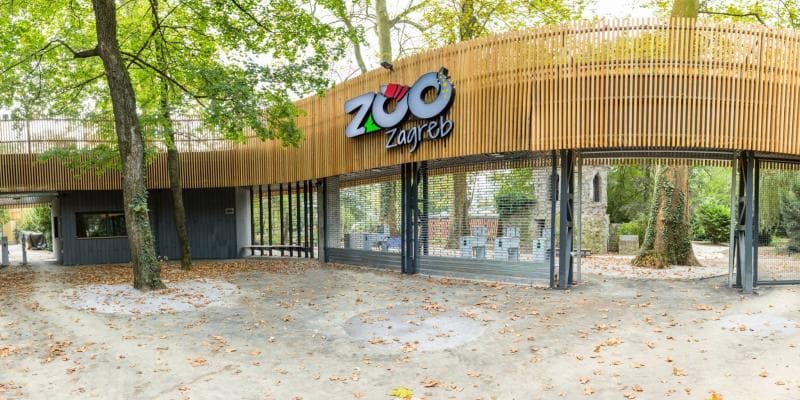
Explore Zagreb Zoo in Maksimir Park, Croatia. Discover 7,000 animals, conservation efforts, and rich history in this oldest Southeast European zoo.
Overview
Nestled within the ancient greenery of Maksimir Park, the Zagreb Zoo offers a captivating escape into the animal kingdom in the heart of Croatia's vibrant capital. Established in 1925, it proudly holds the distinction of being the oldest zoo in Southeast Europe. Spanning seven hectares, with 5.5 hectares of land, the zoo is home to an impressive collection of over 7,000 animals representing 383 species from every continent. From the majestic lions of Africa to the unique Komodo dragons of Indonesia, and diverse local fauna, the Zagreb Zoo provides a rich tapestry of biodiversity. It is not merely a place for observation; the zoo is deeply committed to conservation, research, and education, actively participating in global efforts to protect endangered species and foster a deeper connection between humans and the natural world.
Visitors can easily reach this urban oasis via Zagreb's efficient public transport system, making it a convenient destination for families and curious travelers alike. The zoo's thoughtful layout encourages a leisurely exploration, typically taking between two to four hours to traverse its pathways and discover its many fascinating inhabitants. Integrated seamlessly into Maksimir Park, the zoo offers an experience that blends wildlife encounters with the tranquility of one of Zagreb's most cherished public green spaces.
History & Cultural Background
The story of Zagreb Zoo began on June 27, 1925, thanks to the vision and initiative of engineer Mijo Filipović, with the support of Zagreb's then-mayor. Its humble beginnings saw just five residents: three foxes donated by August Langhoffer, director of the Zagreb Zoological Museum, and two tawny owls brought by Petar Dimec in a green hat. This modest collection quickly grew, and the zoo expanded from its original location on Swan Island to the mainland within Maksimir Park.
Over the decades, the zoo has undergone significant transformations, with major landscaping and modernization efforts in the 1930s, 1950s, and a comprehensive renovation phase commencing in the 1990s and continuing to this day. These efforts have continuously improved animal habitats and visitor facilities. The first phase of a significant modernization program was completed in 2016, and new and renovated enclosures, such as the lion enclosure (2014) and 'The Spirit of the Monsoon Forests' pavilion (2019), reflect a commitment to modern zoological standards. The zoo also boasts charming historical architectural elements, including the Lions Bridge and the 'Enchanted Palace' tower, dating back to 1926.
What Makes It Special
What truly sets Zagreb Zoo apart is its harmonious integration within Maksimir Park, a 200-year-old historic landscape. This provides a unique backdrop of lush greenery, ancient oak trees, and tranquil lakes, making a visit feel like an exploration of both a zoo and a botanical garden. The zoo is a member of prestigious international organizations like the European Association of Zoos and Aquaria (EAZA) and the World Association of Zoos and Aquariums (WAZA), actively participating in critical conservation initiatives such as the European Endangered Species Programme (EESP).
The zoo is particularly notable for its dedicated efforts in protecting native European species and contributing to global biodiversity conservation. Its mission is clear: 'We save wildlife through conservation, research, and education by providing experiences that excite, inspire, and engage the community.' This commitment is evident in its carefully designed exhibits that aim to mimic natural habitats, such as the impressive African Lion Rock 'Kidepo', inspired by Uganda's Kidepo National Park, and specialized zones like the Twilight Zone for nocturnal animals.
Stories, Fun Facts & Local Details
Imagine the beginnings of Zagreb Zoo with just five animals and an entrance fee of one dinar! The zoo's journey from such humble origins to a leading conservation institution in Southeast Europe is a testament to persistent dedication. Locals often refer to Maksimir Park itself as the 'living monument of Zagreb', highlighting its deep cultural significance to the city.
For a truly immersive experience, visitors can explore areas like the Lemur Island and the Free-Flight Aviary for African Birds, where direct interaction or close observation of animals in naturalistic settings is possible, albeit without direct physical contact or feeding. The petting zoo offers a chance for younger visitors to safely engage with domesticated animals. Keep an eye out for unique exhibits like the king cobra and Komodo dragon, which arrived as part of international protection programs. The zoo also regularly hosts educational and entertaining events, from keeper talks to Eco Academy programs, enriching the visitor experience with deeper insights into animal behavior and conservation.
Visitor Perspective
A visit to Zagreb Zoo promises a rewarding experience for all ages, particularly for families. The pathways are well-maintained and suitable for strollers and wheelchairs, ensuring accessibility. Planning your visit around feeding schedules or keeper talks can significantly enhance your animal viewing opportunities, as many animals are most active during these times. Don't forget comfortable footwear, as exploring the entire zoo typically involves two to four hours of walking.
Beyond the animal exhibits, the zoo offers various amenities, including the 'Kod Morskog Lava' restaurant, serving traditional Croatian continental cuisine, and numerous snack carts for refreshments. A gift shop near the main entrance provides animal-themed souvenirs and educational materials. With its year-round operation and convenient public transport links (trams 4, 7, 11, or 12), the Zagreb Zoo is an easily accessible and enriching complement to any Zagreb itinerary, offering a blend of education, entertainment, and a deep appreciation for the natural world.
Coordinates: 16.02194, 45.82278
View on Google Maps💬 How Travelers Describe This Place
Based on community votes
Beautiful
886Unique
564Must See
233Interesting
201Photogenic
121
Traveler Stories
Discover memorable experiences shared by travelers who have visited this place.
No traveler stories yet.
Be the first traveler to share what made this place memorable.

Tour
By
Spot
Discover amazing places around the world. Your journey starts here.
Explore
© 2026 TourBySpot. All rights reserved.