Maksimir Park
Zagreb, Croatia
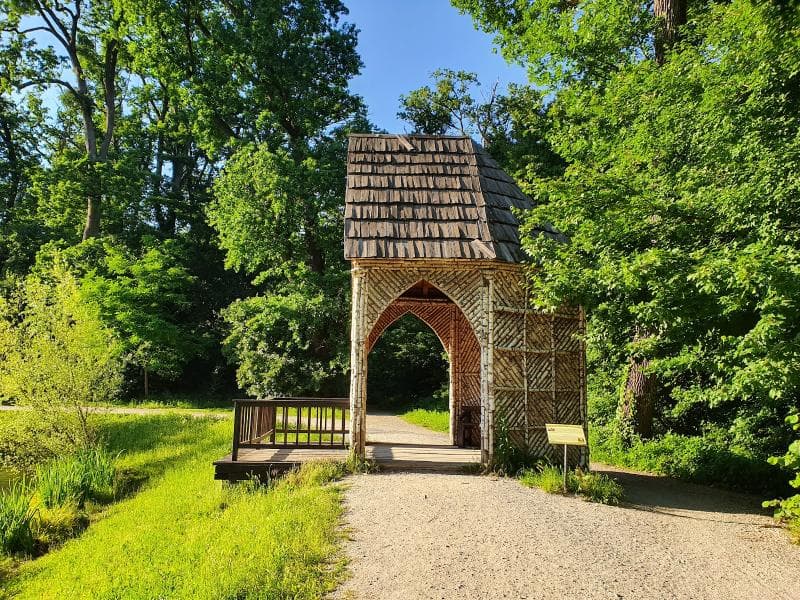
Explore Maksimir Park, Zagreb, Croatia's oldest public park. Discover its lakes, historical pavilions, and the Zagreb Zoo in this green oasis.
Overview
Nestled in the eastern part of Croatia's vibrant capital, Zagreb, lies Maksimir Park, a sprawling green sanctuary considered the oldest public park in Southeastern Europe. Encompassing approximately 316 hectares, this historical landscape offers a serene escape from the urban bustle. Often likened to Zagreb's own Hyde Park or Central Park, Maksimir is a harmonious blend of dense woodlands, picturesque meadows, and five charming artificial lakes. It was originally established on the site of a native oak and hornbeam forest, remnants of which still thrive today, contributing to its rich biodiversity. Open year-round and free to enter, Maksimir Park is easily accessible by public transport, making it a beloved destination for both locals and curious travelers seeking nature, history, and tranquility in the heart of the city.
History & Cultural Background
The genesis of Maksimir Park dates back to 1787 when its creation was initiated by Bishop Maksimilijan Vrhovac of Zagreb, after whom the park is affectionately named. His vision was to provide the citizens of Zagreb with a dedicated space for rest and recreation. The park officially opened its gates to the public in 1794, predating many other renowned European parks and marking it as one of the first public parks in the world.
Initially, the park's design incorporated elements of the structured French garden style, evident in features like its radial paths. However, its aesthetic underwent a significant transformation in the 19th century under the guidance of Bishop Juraj Haulik. During this period, Maksimir was redesigned to reflect the naturalistic and romantic ideals of English landscape gardens. This redesign involved the careful shaping of terrain, the creation of its iconic lakes, and the construction of numerous bridges and winding pathways, ultimately giving the park much of its current character. Today, Maksimir Park holds the esteemed status of a protected monument of park architecture and a cultural asset of Croatia, safeguarding its historical and natural integrity for future generations.
What Makes It Special
Maksimir Park's distinction as the oldest public park in Southeastern Europe and one of the world's earliest public parks immediately sets it apart. Its vast expanse is home to five interconnected artificial lakes, which serve as central features for both scenic beauty and recreational activities. Within the park's embrace lies the popular Zagreb Zoo, a significant attraction that adds an extra layer of family-friendly appeal.
The park is dotted with charming architectural elements that harken back to its romantic design era. Notable among these are the Belvedere Pavilion, offering panoramic views, the intriguing Echo Pavilion (also known as Jeka), and the quaint Swiss House. Beyond its man-made structures, Maksimir boasts a remarkable biodiversity, providing a habitat for countless plant species and over 100 bird species, including the European endangered spotted woodpecker. A living testament to its ancient origins is the magnificent 'Dedek' oak tree, estimated to be over 600 years old, standing as a silent witness to centuries of the park's history.
Stories, Fun Facts & Local Details
The very name 'Maksimir' holds a delightful meaning, translating to 'Maksimilian's peace,' a tribute to its founding bishop's benevolent vision. One of the park's most charming curiosities is the Echo Pavilion, famed for its unique acoustic properties. Visitors who speak aloud within its confines are often surprised by a remarkably clear echo, creating a memorable, playful experience.
Maksimir's lakes have played a versatile role throughout history; during winters when temperatures plunged and ice was thick, they transformed into Zagreb's primary skating rink. The park was also an early hub for sports, hosting activities like skiing, swimming, and even Croatia's first golf course. Its romantic landscapes have long inspired Croatian artists and continue to serve as a picturesque backdrop for film productions and open-air concerts. A touching local detail reveals that many Zagrebians, despite their love for the park, often don't make it to the furthest 'Fifth Lake,' often due to the pull of Sunday lunch traditions. Furthermore, a unique millennium memorial in the park features a hillock constructed from soil gathered from various places around the world where Croats reside, symbolizing a connection to the global Croatian diaspora. The introduction of horse-drawn trams in 1892 significantly boosted the park's accessibility and popularity, integrating it more closely with the growing city.
Visitor Perspective
For any traveler to Zagreb, Maksimir Park offers an inviting array of experiences. Its extensive network of walking trails and jogging paths winds through diverse landscapes, providing ample opportunities for leisurely strolls or invigorating exercise. Picnic areas are scattered throughout, perfect for enjoying an outdoor meal amidst nature. For those seeking a different perspective, boat rentals are available on some of the lakes, allowing visitors to glide across the water and admire the surroundings.
The park is a truly ideal destination for families, featuring well-equipped playgrounds and the ever-popular Zagreb Zoo. Whether you're looking to relax in serene surroundings, immerse yourself in nature, or enjoy a fun family outing, Maksimir caters to all. It maintains its appeal throughout the year, with spring bringing vibrant blooms, summer offering cool, shaded retreats, and autumn painting the landscape in a spectacular palette of colors. While weekends can draw larger crowds, visiting on a weekday often provides a more tranquil and intimate experience with this magnificent green heart of Zagreb.
Coordinates: 16.01845, 45.82946
View on Google Maps💬 How Travelers Describe This Place
Based on community votes
Must See
886Beautiful
564Unique
201Interesting
121Photogenic
87
Traveler Stories
Discover memorable experiences shared by travelers who have visited this place.
No traveler stories yet.
Be the first traveler to share what made this place memorable.
Things to see at Maksimir Park



Tour
By
Spot
Discover amazing places around the world. Your journey starts here.
Explore
© 2026 TourBySpot. All rights reserved.