Yugoslav History Museum Exhibits
Belgrade, Serbia
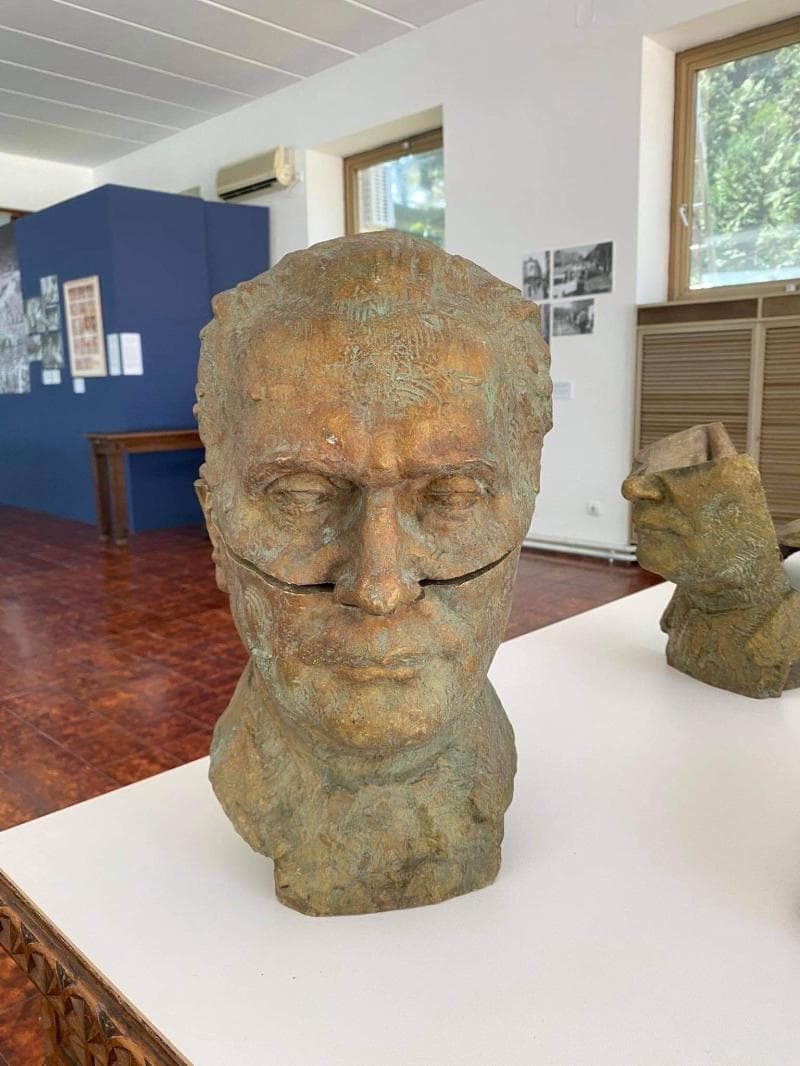
Explore Yugoslav History Museum Exhibits in Belgrade, Serbia, located within the House of Flowers, the final resting place of Josip Broz Tito.
Overview
The House of Flowers, known locally as 'Kuća cveća', is a profound historical site located within the Museum of Yugoslavia complex in Belgrade, Serbia. This unique space serves as the final resting place for Josip Broz Tito, the long-standing leader of socialist Yugoslavia, and his wife Jovanka Broz. Originally conceived as a winter garden and a private workspace for Tito in 1975, it was later transformed into his mausoleum after his death in 1980. Today, it forms a crucial part of the broader Museum of Yugoslavia, which itself was established in 1996 by merging the 'Josip Broz Tito' Memorial Centre and the Museum of the Revolution of Yugoslav Peoples. Visitors to the House of Flowers step into a meticulously preserved environment that offers a poignant glimpse into a significant era of 20th-century history.
History & Cultural Background
Constructed in 1975 based on the design of architect Stjepan Kralj, the building was initially a functional and aesthetically pleasing winter garden, providing a space for both work and relaxation for Tito near his residence. The evocative name, 'House of Flowers', originated from the vibrant floral arrangements that once surrounded Tito's tomb. Following the dissolution of Yugoslavia, these natural flowers were replaced with symbolic white rocks, a subtle yet powerful reflection of changing times. In 2013, Tito's wife, Jovanka Broz, was interred beside him, further cementing the site's role as a shared memorial. The complex stands as a testament to the life and legacy of a figure who profoundly shaped the political landscape of the Balkans and beyond, inviting contemplation on the rise and fall of Yugoslavia.
What Makes It Special
The House of Flowers distinguishes itself not only as a mausoleum but also as a repository of unique exhibits that illuminate the Yugoslav era. Central to its display is the permanent exhibition featuring the 'Relays of Youth'. These symbolic batons, along with accompanying messages and photographs, were ceremonially carried across Yugoslavia by young people each year to celebrate Tito's birthday, which was officially designated as Youth Day. This collection offers a vivid portrayal of the personality cult surrounding Tito and the collective enthusiasm of the Yugoslav youth. Beyond the relays, the House of Flowers also showcases a selection of Tito's personal effects, military uniforms, and some diplomatic gifts he received from dignitaries worldwide. These items collectively present a rich tapestry of a bygone state, its ideals, and its prominent leader, offering visitors a unique lens through which to understand a complex historical narrative.
Stories, Fun Facts & Local Details
One of the most enduring traditions associated with the House of Flowers revolves around Youth Day, celebrated annually on May 25th. While Tito's actual birthday was May 7th, May 25th became a grand national celebration, culminating in the presentation of the Youth Relay baton to Tito. This event fostered a sense of unity and national identity across the diverse republics of Yugoslavia. The sheer popularity of Tito meant that millions flocked to the site, with over 17 million visitors recorded between 1982 and 2012. Even today, the House of Flowers remains a pilgrimage site for 'Yugonostalgics' and curious travelers alike, especially on May 25th, where they gather to remember and reflect. Interestingly, the name 'House of Flowers' was purposefully chosen to be less imposing than 'grave' or 'mausoleum', reflecting a softer, more personal tribute. It acts as a rare neutral ground where people from former republics can come together, not to debate politics, but to acknowledge a shared past.
Visitor Perspective
Visiting the House of Flowers offers a deeply reflective experience, providing a tranquil contrast to the bustling city. Travelers are encouraged to treat it as part of a larger exploration of the Museum of Yugoslavia complex, which includes the '25 May Museum' and the 'Old Museum', allowing for a comprehensive understanding of Yugoslav history. The atmosphere inside is calm and impressive, often leading visitors to sign the book of sorrow as a gesture of remembrance. The museum aims to present an objective view of history, encouraging dialogue and a nuanced understanding of Yugoslavia's legacy. Comfortable footwear is advisable for exploring the grounds. The House of Flowers is not merely a static exhibition but an ongoing conversation about identity, memory, and the intricate layers of a nation's past, making it an essential destination for history enthusiasts and anyone seeking to understand the enduring impact of Josip Broz Tito and Yugoslavia.
Coordinates: 20.451694, 44.786725
View on Google Maps💬 How Travelers Describe This Place
Based on community votes
Beautiful
799Interesting
424Photogenic
234Must See
181Unique
30
Traveler Stories
Discover memorable experiences shared by travelers who have visited this place.
No traveler stories yet.
Be the first traveler to share what made this place memorable.

Tour
By
Spot
Discover amazing places around the world. Your journey starts here.
Explore
© 2026 TourBySpot. All rights reserved.