Yong’an Temple
Beijing, China
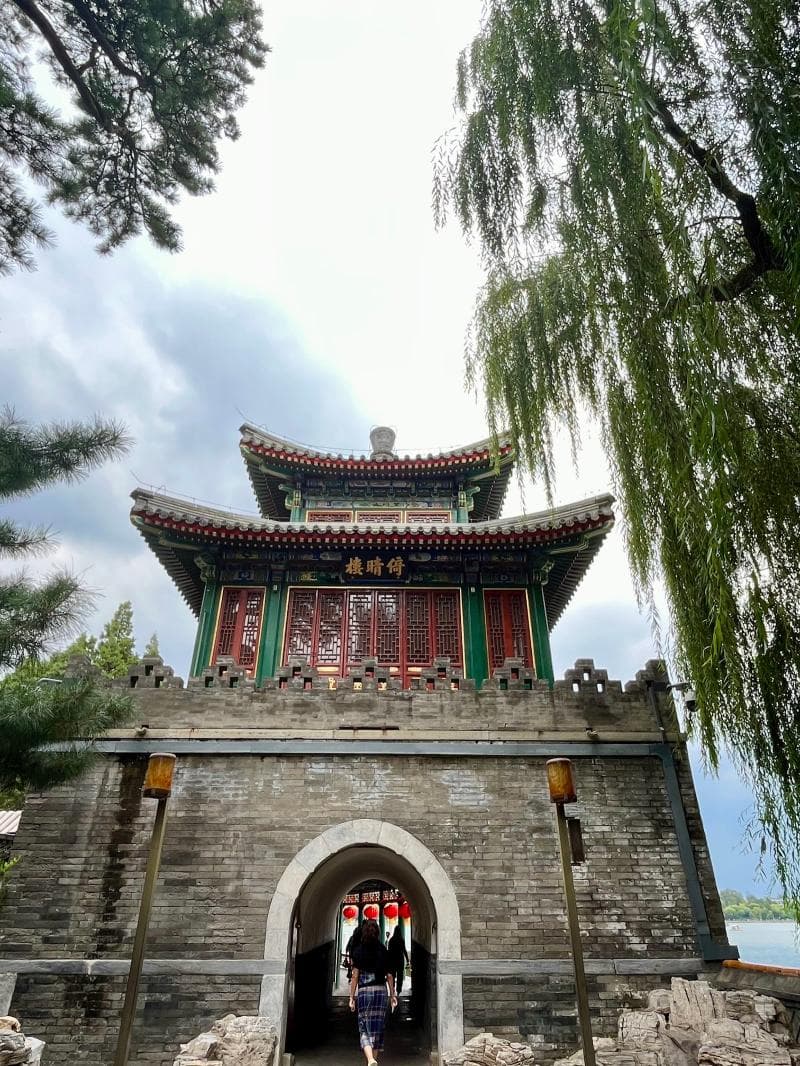
Discover Yong'an Temple in Beijing's Beihai Park. Explore its rich history, unique Tibetan Buddhist architecture, and the iconic White Dagoba for panoramic city views. A serene cultural journey.
Overview
Nestled within the sprawling beauty of Beihai Park in Beijing, China, Yong'an Temple stands as a testament to imperial history and religious devotion. Located gracefully atop Qionghua Island, this temple complex offers a serene escape, inviting visitors to delve into centuries of rich cultural heritage. It serves as a prominent landmark, characterized by its traditional architecture and its close relationship with the iconic White Dagoba that crowns the island's summit. The temple provides a unique blend of natural splendor and historical significance, making it a pivotal stop for anyone exploring Beihai Park's imperial past. It's not merely a collection of buildings, but a journey through a living historical narrative.
History & Cultural Background
Yong'an Temple, also known as the Temple of Everlasting Peace, boasts a captivating history deeply intertwined with China's imperial dynasties and the spread of Tibetan Buddhism. Its origins trace back to 1651, during the reign of the Shunzhi Emperor of the Qing Dynasty, when it was initially constructed at the behest of a visiting Tibetan Lama. This pivotal moment marked the entry of Tibetan Buddhism into the imperial capital, fostering a unique integration of Han and Tibetan Buddhist traditions. Over a century later, in 1741, the temple underwent a significant expansion and was formally renamed Yong'an Temple during the prosperous reign of the Qianlong Emperor. Additional structures, including the Bell and Drum Towers and Falun Hall, were added around 1743, further enhancing its grandeur. The temple, along with the broader Beihai Park, which itself dates back to the 12th century, has been recognized for its immense historical and research value, earning its designation as a national key cultural relics protection unit in 1961.
What Makes It Special
Yong'an Temple's allure lies not only in its historical depth but also in its distinct architectural and spiritual elements. Its strategic position on Qionghua Island makes it an integral part of the ascent to the White Dagoba, a magnificent Tibetan-style stupa also built in 1651 to commemorate the visit of the 5th Dalai Lama. The temple complex itself is a harmonious arrangement of several halls and auxiliary buildings, meticulously arranged along the slope, offering a visual feast of traditional Chinese craftsmanship. Notable among these is the Shanyin Hall, an exquisite structure famed for its glazed tiles and the 445 Buddhist statues that adorn its walls. Visitors can admire the intricate eaves and detailed paintings found in halls like Zhengjue Hall and Puan Hall, which speak volumes of the artistic mastery of the era. The entire complex is imbued with a strong Tibetan Buddhist ambiance, symbolically representing 'Stability', 'Blessing', and 'Longevity' in conjunction with other temples in Beihai Park.
Stories, Fun Facts & Local Details
Beyond its grand structures, Yong'an Temple holds captivating stories and intriguing details that connect visitors to its vibrant past. One such detail is the ancient bronze bell housed within the Bell Tower, which was cast in 1651. During the Qing Dynasty, emperors would ceremonially ring this bell on the Spring Festival, praying for peace and prosperity in the coming year. The tradition held that ringing the bell three times would ensure safety and well-being throughout the year. The temple's Yong'an Bridge, constructed in the 13th century, is another historical gem, featuring intricate carvings of lotus flowers and petals on its balusters. The very design of Beihai Park, encompassing Yong'an Temple, is rooted in ancient Chinese legends, said to imitate the mythical 'one lake and three hills' paradises where immortals resided, a concept echoed in the park's Jade Flower Islet and other features. Emperor Qianlong's artistic and scholarly contributions are also evident, with his personal writings engraved on stone tablets near the White Dagoba.
Visitor Perspective
For the curious traveler, a visit to Yong'an Temple offers a remarkably serene and insightful journey through time. Unlike some of Beijing's more bustling attractions, the temple and its surroundings often provide a tranquil atmosphere, allowing for a contemplative exploration of history and culture. A highlight for many is the climb to the top of the White Dagoba, situated just beyond the temple. From this elevated vantage point, visitors are rewarded with breathtaking panoramic views of the entire Beihai Park, including the shimmering lake, the surrounding greenery, and even glimpses of the distant red walls of the Forbidden City. To fully appreciate the temple's beauty and capture stunning photographs, visiting during the early morning or at dusk is often recommended, as these times offer softer lighting and fewer crowds. Yong'an Temple is suitable for exploration in all seasons, each bringing its own unique charm to the landscape. Comfortable footwear is advisable, given the walking and climbing involved in navigating Qionghua Island. While entry to Beihai Park requires a ticket, special combined tickets often include access to attractions like Yong'an Temple. Foreign visitors should be aware of potential reservation requirements for park entry, which can typically be made a day in advance.
Coordinates: 116.3825, 39.928
View on Google Maps💬 How Travelers Describe This Place
Based on community votes
Unique
791Interesting
514Beautiful
457Must See
252Photogenic
207
Traveler Stories
Discover memorable experiences shared by travelers who have visited this place.
No traveler stories yet.
Be the first traveler to share what made this place memorable.

Tour
By
Spot
Discover amazing places around the world. Your journey starts here.
Explore
© 2026 TourBySpot. All rights reserved.