Yandaixiejie
Beijing, China
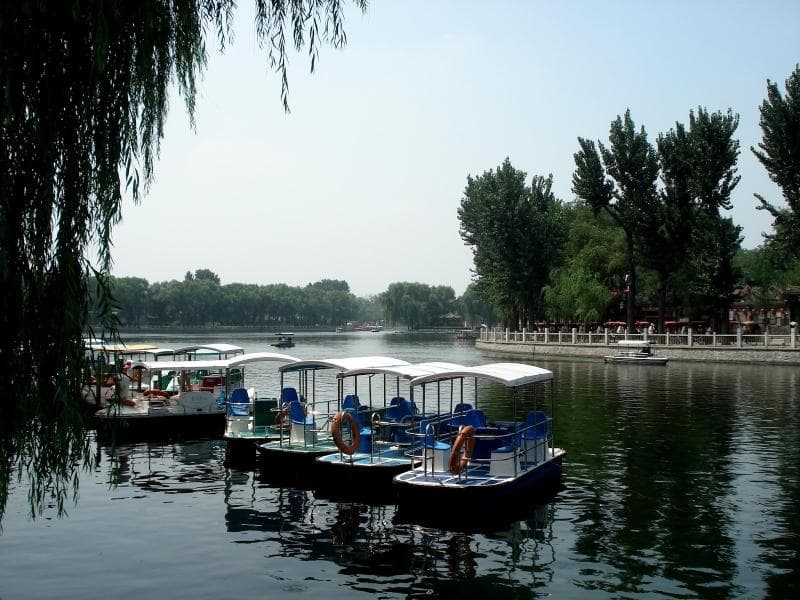
Explore Yandaixiejie, Beijing's historic 'Skewed Tobacco Pouch Street' in the Hutongs. Discover its unique pipe-like shape, ancient shops, and vibrant culture.
Overview
Nestled within the historic Hutongs of Beijing, Yandaixiejie, also known as Skewed Tobacco Pouch Street, offers a captivating journey into the city's past and present. This unique pedestrian street, approximately 232 to 300 meters long, is renowned for its distinctive shape, which truly resembles a tobacco pipe. It stretches from Di'anmen Street in the east to the picturesque Shichahai area in the west, making it a vibrant cultural and commercial artery in the heart of Beijing. As one of Beijing's oldest commercial avenues, with a legacy spanning over 800 years, Yandaixiejie is a must-visit for anyone seeking to experience the authentic charm of old Beijing.
History & Cultural Background
The story of Yandaixiejie begins in the Yuan Dynasty (1271–1368), when it was initially known as Dayuting Dongjie, or 'Fishing Hall East Street'. Its most famous transformation, however, occurred during the Qing Dynasty (1644–1911). During this period, the Manchu nobility residing in northern Beijing developed a strong penchant for tobacco. This growing demand led to the proliferation of tobacco shops along the street, specializing in fine tobacco pipes and pouches. It was this boom in the tobacco trade, combined with the street's characteristic curving layout, that earned it the name 'Yandaixiejie', literally 'Slanted Tobacco Pipe Street'.
Following the fall of the Qing Dynasty, Yandaixiejie adapted, becoming a hub for antique and jade dealers as former royal families sold off their treasures. Today, it stands as a celebrated 'China Famous Historical Cultural Street', recognized for preserving traditional architecture and showcasing the evolving commercial life of Beijing.
What Makes It Special
Yandaixiejie's most striking feature is its physical resemblance to a traditional tobacco pipe. The eastern entrance is said to be the 'pipe mouth', the street itself the 'stem', and the westward bend near the Silver Ingot Bridge, leading to Shichahai, forms the 'tobacco bowl'. This architectural quirk is not just a coincidence; it's deeply ingrained in the street's identity and name.
Beyond its unique shape, Yandaixiejie offers a captivating blend of historical ambiance and modern vibrancy. It beautifully combines preserved Ming and Qing dynasty architectural styles with an array of contemporary boutiques, cafes, and bars. Unlike some other popular Hutongs that can feel overly commercialized, Yandaixiejie manages to retain a distinct 'Old Beijing' character, providing a more relaxed atmosphere.
Stories, Fun Facts & Local Details
The very name 'Yandaixiejie' is a fun fact in itself, born from both the street's physical curvature and its historical trade. Legend even has it that Empress Dowager Cixi, a powerful figure during the late Qing Dynasty, was a patron of the pipe shops here. As you stroll along, you'll often see shops displaying giant wooden tobacco pipes outside their entrances, a direct nod to the street's heritage. Some businesses, like a historic post office and certain restaurants, have even operated continuously since the Qing Dynasty, offering a tangible link to centuries past.
The street is also a treasure trove for local delicacies. You can indulge in traditional Beijing snacks such as shaobing, steamed buns, and wontons, providing a delicious taste of local culture. Artisans can still be found demonstrating traditional crafts like paper-cutting and sugar art, adding to the street's cultural richness.
Visitor Perspective
For the curious traveler, Yandaixiejie offers an immersive experience. It's an ideal spot to explore the intricate alleyways of Beijing's Hutongs, discover unique souvenirs, and soak in the historical atmosphere. From antiques, jade, and traditional Chinese paintings to silk products, tea, and artistic handicrafts, the shops here cater to a wide range of interests. After a leisurely walk, you can relax at one of the many teahouses, cafes, or bars that line the street, many offering views of the nearby Houhai Lake.
To avoid larger crowds, it's often recommended to visit in the early morning or on weekday afternoons. However, experiencing Yandaixiejie at dusk or in the evening reveals a different, equally enchanting ambiance as the street comes alive with lights and activity. Its proximity to other major attractions like the Drum Tower and Shichahai Lake makes it a perfect component of a wider exploration of old Beijing.
Coordinates: 116.38975, 39.93935
View on Google Maps💬 How Travelers Describe This Place
Based on community votes
Photogenic
953Unique
695Beautiful
396Must See
286Interesting
22
Traveler Stories
Discover memorable experiences shared by travelers who have visited this place.
No traveler stories yet.
Be the first traveler to share what made this place memorable.

Tour
By
Spot
Discover amazing places around the world. Your journey starts here.
Explore
© 2026 TourBySpot. All rights reserved.