Wooden Churches
Bucharest, Romania
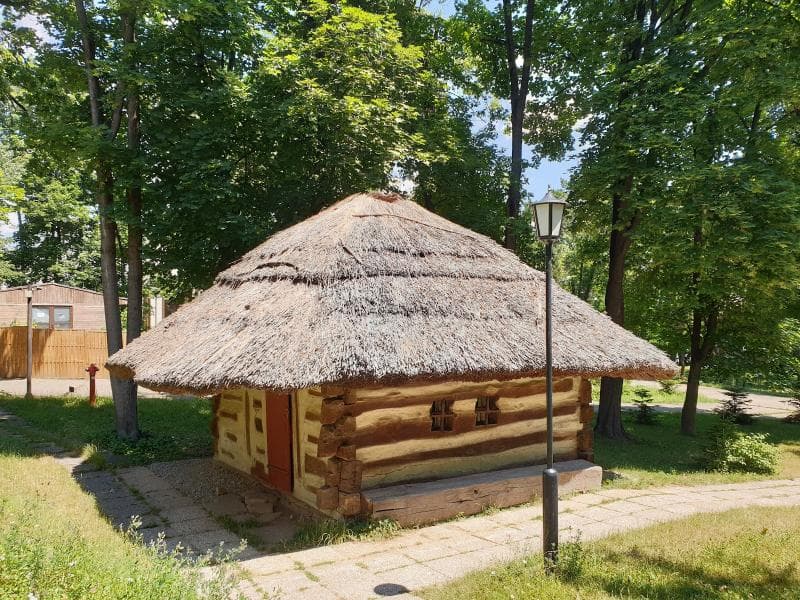
Explore the historic Wooden Churches within Bucharest's Dimitrie Gusti National Village Museum, showcasing Romania's rural heritage and unique timber architecture.
Overview
Deep within Bucharest's expansive King Michael I Park, nestled within the captivating Dimitrie Gusti National Village Museum, lies a collection of Wooden Churches that offer a profound glimpse into Romania's rich rural heritage. This open-air ethnographic museum is a 'time capsule' that transports visitors back centuries, showcasing authentic village life through meticulously preserved structures. Among its numerous exhibits, the wooden churches stand as poignant testaments to traditional craftsmanship, spiritual devotion, and the ingenuity of Romanian peasants. They are not merely replicas but original structures, carefully disassembled from their native regions across Romania and faithfully reassembled here, providing an immersive experience of the country's diverse architectural and religious traditions.
These sacred wooden edifices, primarily Orthodox, originate from various historical regions such as Maramureș and Oltenia. They represent a significant aspect of Romanian folk architecture, characterized by their unique timber construction and spiritual artwork. Wandering among these structures provides a tranquil escape from the urban bustle, inviting contemplation and a deeper understanding of the enduring spirit of rural Romania.
History & Cultural Background
The Dimitrie Gusti National Village Museum, inaugurated in 1936, was the brainchild of sociologist Dimitrie Gusti. His vision was to create a living museum that would preserve and present the authentic life of the Romanian village. To achieve this, entire households, technical installations, and churches were moved brick by brick, or rather, log by log, from their original locations and painstakingly rebuilt on the shores of Lake Herăstrău in Bucharest.
The wooden churches within the museum reflect a significant chapter in Romania's religious history and cultural development. In many regions, particularly when under different administrative or religious rules, wood was often the most accessible and affordable material for building Orthodox places of worship. This resourcefulness led to the development of distinct architectural styles and construction techniques, creating structures that are both durable and deeply symbolic. The oldest houses in the museum date back to the 17th century, providing a historical context for the religious structures they often stood beside.
One notable example is the wooden church from Dragomirești, Maramureș county, built in 1722, which was among the initial 33 authentic settlements transferred to the museum. Another, the Saint Nicholas church from northern Oltenia, Gorj County, dates to 1773. These churches embody centuries of spiritual life and community gatherings, embodying the heart of the Romanian village.
What Makes It Special
The Wooden Churches at the Village Museum are distinguished by several unique characteristics. Architecturally, they are typically high timber constructions, often featuring tall, slender bell towers that seem to reach for the sky, particularly those from the Maramureș region. The construction often involved interlocking oak or spruce logs, laid horizontally, with intricate joints, demonstrating remarkable craftsmanship with minimal use of nails.
Beyond their impressive carpentry, the spiritual artistry found within and upon these churches is truly special. The interiors often boast richly carved iconostases, known as 'catapeteasm', adorned with icons painted on wood. Many also feature internal frescoes depicting Christian saints and biblical scenes, often created by local painters who infused the sacred narratives with a unique local sensibility. The Saint Nicholas church from Oltenia is particularly notable for its exterior paintings, a rarity among wooden churches, showcasing detailed depictions like 'The Doomsday and the Heaven', 'The Three Prophets' (Elijah, David, and Solomon), along with founders, priests, and laypeople dressed in period attire. This blend of structural artistry and spiritual storytelling offers an unparalleled cultural immersion.
Stories, Fun Facts & Local Details
Each wooden church has a story, often tied to its community and the times it witnessed. For instance, the Dragomirești church was built in 1722 following a Tatar invasion that destroyed its predecessor, making its reconstruction a symbol of resilience and faith. The internal layout of these Orthodox churches adheres to a specific tradition, compartmentalizing space into the altar, nave (often referred to as 'the Church of the Men'), pronaos ('the Church of the Women'), and a porch.
A fun aspect of the Village Museum's history is that in its early days, former homeowners of the relocated houses were sometimes brought to live within the museum, even bringing their farm animals, to further enhance the authenticity of the experience. While this practice is no longer common for the churches, it underscores the museum's profound commitment to showcasing the 'real life' of the village.
The meticulous relocation process itself is a fascinating detail: each structure was carefully dismantled, with every piece marked, then transported by various means, including train, carriage, or even boat, to Bucharest, where they were reassembled with precision. This monumental effort speaks volumes about the dedication to preserving Romania's architectural and cultural heritage.
Visitor Perspective
Visiting the Wooden Churches within the Dimitrie Gusti National Village Museum is more than just sightseeing; it's an immersive journey into the soul of rural Romania. As you wander through the museum grounds, you’ll find yourself transported away from the city's hustle and bustle, stepping into a serene, almost timeless setting. The atmosphere is akin to a natural park, where the sounds of the city fade, replaced by a sense of peace and tranquility.
The carefully arranged houses and churches, each with informative plaques, allow for a deep connection with the past. You can almost feel the presence of generations of villagers who worshipped in these very spaces, their prayers echoing through the ancient timber. It's an opportunity to appreciate the simplicity and profound beauty of traditional Romanian life, to marvel at the skill of past artisans, and to reflect on the enduring spiritual traditions that shaped these communities. Many visitors find it an 'oasis of normality' and a deeply soulful experience, a unique opportunity to connect with Romania's authentic cultural roots.
Coordinates: 26.07656, 44.47336
View on Google Maps💬 How Travelers Describe This Place
Based on community votes
Photogenic
685Interesting
446Beautiful
152Unique
33Must See
16
Traveler Stories
Discover memorable experiences shared by travelers who have visited this place.
No traveler stories yet.
Be the first traveler to share what made this place memorable.

Tour
By
Spot
Discover amazing places around the world. Your journey starts here.
Explore
© 2026 TourBySpot. All rights reserved.