Wooden Carvings
Ho Chi Minh City, Vietnam
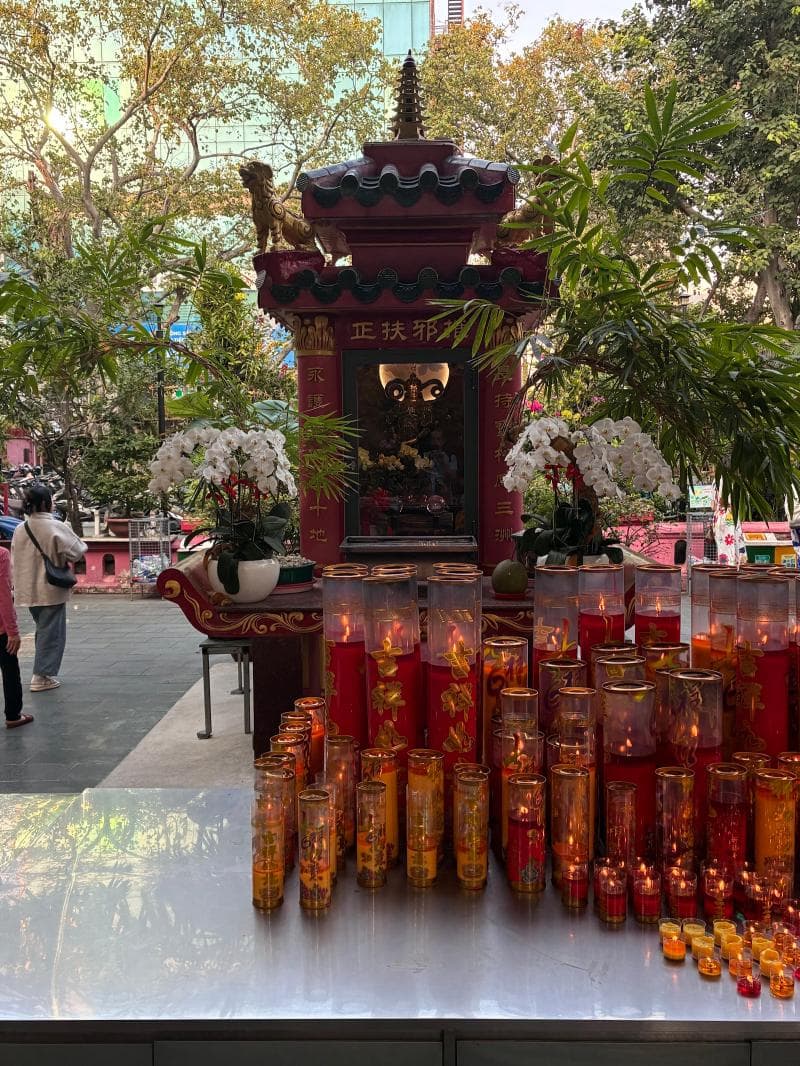
Discover the intricate wooden carvings at Jade Emperor Pagoda in Ho Chi Minh City, Vietnam, revealing Taoist and Buddhist stories and art.
Overview
Stepping into the Jade Emperor Pagoda in Ho Chi Minh City, also known as Ngoc Hoang Pagoda, is like entering a sanctuary where spiritual devotion meets breathtaking artistry. Amidst the fragrant swirl of incense, visitors are immediately drawn to a remarkable collection of wooden carvings that adorn almost every corner of this historic temple. These intricate works are not merely decorative; they are profound storytelling elements, bringing to life a rich tapestry of Taoist and Buddhist mythology, deities, and moral teachings. The wooden carvings here offer a tangible connection to Vietnam's spiritual heritage and the strong cultural influences brought by its Chinese community.
From imposing guardians at the entrance to delicate representations of celestial beings and vivid depictions of karmic justice, these carvings are central to the pagoda's unique atmosphere and its enduring appeal. They invite contemplation and offer a visual feast, making the exploration of 'Wooden Carvings' a highlight for any curious traveler seeking a deeper understanding of local beliefs and artistic traditions.
History & Cultural Background
The Jade Emperor Pagoda, originally named Phuoc Hai Tu, was constructed around 1909 by a Chinese man named Luu Minh (also known as Liu Daoyuan or Lưu Minh), a Cantonese migrant who sought to worship the Jade Emperor, the supreme Taoist deity. This historical context is vital, as the pagoda's architecture and its extensive wooden carvings distinctly reflect traditional Chinese religious construction styles, blending Taoist beliefs with elements of Buddhism and Confucianism.
The meticulous craftsmanship seen in the wooden carvings is a testament to the skilled artisans of that era. They created works that not only serve as religious icons but also as historical records of the cultural exchange between Chinese immigrants and Vietnamese society. The pagoda transitioned to the Vietnam Buddhist Association in 1982, further cementing its multifaith identity, but its foundational art, including the wooden carvings, retains its strong Taoist and Chinese roots.
What Makes It Special
The wooden carvings at Jade Emperor Pagoda are special due to their sheer volume, artistic detail, and the profound narratives they convey. Unlike many temples, this pagoda features hundreds of statues and figurines, many crafted from wood, alongside other materials like papier-mâché and ceramic. What truly sets these carvings apart is their role in depicting complex mythological scenes and a pantheon of deities.
A particularly compelling feature is the 'Hall of the Ten Hells,' where elaborately carved wooden panels vividly illustrate the various torments awaiting those who commit sins in each of the Ten Regions of Hell. These detailed panels serve as a powerful visual sermon, reflecting the Taoist concept of karmic retribution and moral accountability. Beyond the dramatic, other carvings portray benevolent gods, mythical creatures like dragons and phoenixes symbolizing power and rebirth, and historical figures, each meticulously rendered with expressions and postures that communicate their significance.
Stories, Fun Facts & Local Details
The wooden carvings at Jade Emperor Pagoda are more than just art; they are storytellers. For instance, in the main hall, visitors can find fierce wooden statues of general gods who are said to tame tigers and dragons, symbols of immense power and protection. The figures of the Four Big Diamonds, guardians said to be as hard as their namesake, flank the Jade Emperor, emphasizing his supreme authority.
A fascinating local detail associated with the carvings, particularly those in the Hall of Ten Hells, is their ability to evoke a strong emotional response, prompting visitors to contemplate morality and the consequences of their actions. It's a vivid, ancient form of didactic art. The scent of incense, which is consistently dense throughout the pagoda, often adds a mystical, almost ethereal quality to the experience of viewing these carvings, making them appear to emerge from a smoky haze.
Many carvings also illustrate the numerous deities who assist the Jade Emperor in governing the sky, land, and sea, and influencing human destiny, reinforcing the pagoda's spiritual significance for those seeking blessings and guidance.
Visitor Perspective
For visitors, exploring the wooden carvings at Jade Emperor Pagoda is an immersive journey into a world of ancient beliefs and masterful craftsmanship. It is a sensory experience, where the visual richness of the carvings combines with the pervasive scent of incense to create a deeply atmospheric environment.
Observing the intricate details of each carving, from the texture of the wood to the expressions on the figures' faces, offers insights into the cultural values and artistic prowess of early 20th-century Ho Chi Minh City. While the sheer number and complexity can be overwhelming, taking time to appreciate individual pieces, particularly the narrative panels in the Hall of Ten Hells, can be a profoundly moving and educational experience. It allows a curious traveler to connect with the spiritual heartbeat of the city, moving beyond mere sightseeing to a meaningful cultural encounter.
Coordinates: 106.6978889, 10.7917111
View on Google Maps💬 How Travelers Describe This Place
Based on community votes
Beautiful
995Interesting
839Must See
603Unique
388Photogenic
289
Traveler Stories
Discover memorable experiences shared by travelers who have visited this place.
No traveler stories yet.
Be the first traveler to share what made this place memorable.

Tour
By
Spot
Discover amazing places around the world. Your journey starts here.
Explore
© 2026 TourBySpot. All rights reserved.