Wooden Carvings
Ulaanbaatar, Mongolia
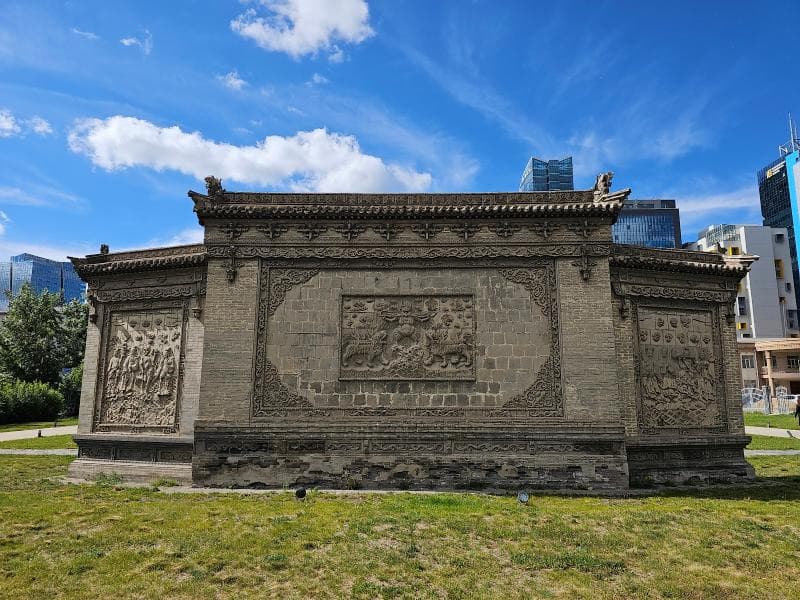
Explore the exquisite wooden carvings at the Choijin Lama Temple Museum in Ulaanbaatar, Mongolia, a preserved masterpiece of Buddhist art and history.
Overview
Nestled in the heart of Ulaanbaatar, Mongolia, the Choijin Lama Temple Museum stands as a remarkable testament to Mongolian Buddhist art and architecture. This complex, originally a vibrant monastery, was constructed between 1904 and 1908 and comprises six distinct temples. It houses an invaluable collection of religious artifacts, with its intricate wooden carvings being a particularly captivating highlight for any curious traveler.
Remarkably preserved, the museum's existence today is a story of resilience, having been converted into a museum in 1938 or 1942 to escape the widespread destruction of religious sites during the communist era. It offers a serene escape from the bustling modern city, inviting visitors to step into a past rich with spiritual and artistic heritage.
History & Cultural Background
The Choijin Lama Temple complex was commissioned by the 8th Bogd Khaan Javzandamba, Mongolia's spiritual leader, and dedicated to his younger brother, Luvsankhaidav, who held the esteemed title of Choijin Lama, or state oracle. This dedication underscores the deep spiritual and political significance of the site during its active period.
As an active monastery, it served as a crucial center for Buddhist teachings and rituals until 1937. Its survival is particularly poignant, as more than a thousand other monasteries across Mongolia were destroyed during the communist purges of 1937-1938. The temple's conversion into a museum allowed its unique treasures, including a vast array of religious instruments, thangka paintings, silk embroideries, statues, and, notably, its wood carvings, to be preserved for future generations. The architectural style itself is a harmonious blend of Chinese, Mongol, and Tibetan influences, reflecting the cultural tapestry of the region.
What Makes It Special
The wooden carvings within the Choijin Lama Temple Museum are an exceptional demonstration of artistry and spiritual devotion. The museum proudly boasts a fine collection of these carvings, some dating as far back as the 17th century, predating the construction of the temple itself. These pieces are not merely decorative; they are imbued with profound religious symbolism, integral to the Buddhist narratives and practices of the time.
Visitors will encounter these exquisite carvings throughout the complex. Architectural elements feature elaborately decorated wooden facades and timber roofs supported by intricately carved wooden posts, showcasing the exceptional craftsmanship that went into the temple's construction. Within specific temples, such as the Yadam Sum (Yadam Temple), wooden statues of various deities are prominently displayed, each telling a story through its form and detail. The precision of detailing, the ability to achieve symmetry, and the profound expressiveness of these figures are hallmarks of the Mongolian artistic tradition.
Stories, Fun Facts & Local Details
The very existence of the Choijin Lama Temple Museum is a 'fun fact' in itself, representing a shrewd act of preservation during a period when most other religious institutions were eradicated. Its transformation into a museum in the early 20th century safeguarded an immense cultural legacy.
An intriguing detail for visitors is the reported presence of the mummified remains of Choijin Lama Luvsankhaidav and his teacher, Baltung Choimba, inside some of the statues housed in the main temple. This practice highlights the deep reverence held for revered spiritual figures. Furthermore, the museum features a section dedicated to Naraka, or Buddhist Hell, which displays gruesome images meant to encourage visitors to lead virtuous lives and accumulate merit. The carvings and other artworks here served as visual aids for complex Buddhist teachings, making them accessible to the devout. The complex also once hosted vibrant Cham dances, a major ceremonial event, and the museum still holds many of the elaborate masks and costumes used in these performances.
Visitor Perspective
For the curious traveler, visiting the Wooden Carvings at the Choijin Lama Temple Museum is an immersive journey into Mongolia's spiritual and artistic past. The museum provides a powerful contrast to the modern cityscape, offering a tranquil and contemplative space. Observing the intricate details of the wood carvings allows one to appreciate the immense skill of the artisans and the profound religious devotion they represent. It's an opportunity to connect with the authentic culture of Mongolia and witness a heritage that has miraculously endured.
While the overall experience is profoundly enriching, visitors should note that taking photographs inside the temples often requires a fee or may be restricted, so it's advisable to check at the ticket booth upon arrival. The museum is considered an architectural masterpiece of the 19th and 20th centuries, and the carefully preserved wooden carvings are central to its appeal, offering a unique glimpse into the artistic and spiritual world of historic Mongolia.
Coordinates: 106.9177, 47.909
View on Google Maps💬 How Travelers Describe This Place
Based on community votes
Photogenic
551Interesting
547Unique
336Beautiful
219Must See
186
Traveler Stories
Discover memorable experiences shared by travelers who have visited this place.
No traveler stories yet.
Be the first traveler to share what made this place memorable.

Tour
By
Spot
Discover amazing places around the world. Your journey starts here.
Explore
© 2026 TourBySpot. All rights reserved.