Winery Museum
Chisinau, Moldova
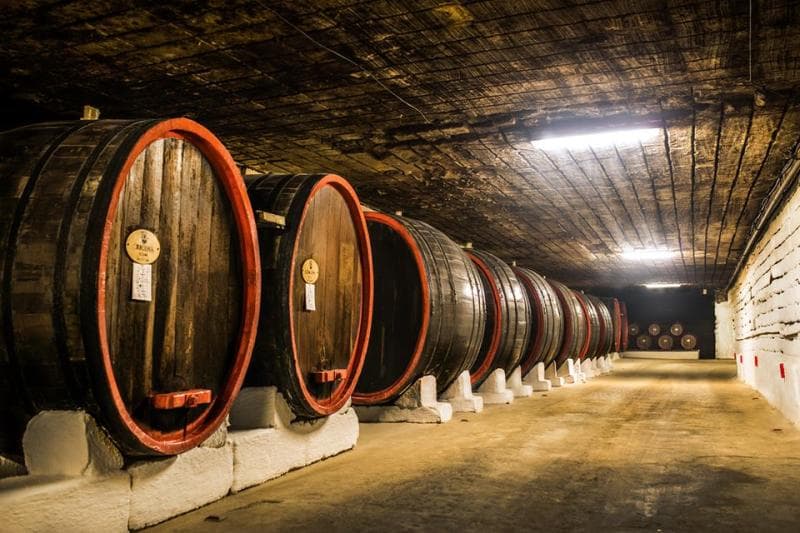
Explore the Winery Museum at Cricova Winery in Chisinau, Moldova. Discover ancient winemaking tools, historical exhibits, and the famous National Collection deep within vast underground cellars.
Overview
Deep beneath the rolling landscapes near Chisinau, Moldova, lies the remarkable Cricova Winery, an 'underground city' of wine, and within its vast catacombs, the captivating Winery Museum. This unique sub-spot is not merely a display of artifacts; it is an immersive journey into the ancient and enduring history of Moldovan winemaking, nestled within one of the world's largest natural wine cellars. It offers a profound understanding of the region's viticultural heritage, presenting a tangible link to millennia of wine production.
As part of the expansive Cricova complex, the museum benefits from the naturally stable conditions of the subterranean environment, maintaining a constant temperature and humidity ideal for preserving its historical treasures. It serves as a testament to Moldova's identity as a venerable wine-producing nation, inviting visitors to explore the roots of this deeply ingrained cultural practice.
History & Cultural Background
The story of Cricova Winery began in 1952, when two visionary Moldovan winemakers, Petru Ungureanu and Nicolae Sobolev, proposed transforming a network of old limestone mines into a colossal wine storage facility. These subterranean galleries, originally excavated for building materials, offered perfect natural conditions for aging wine.
Moldova's winemaking tradition, however, predates the winery's establishment by millennia. The Winery Museum proudly showcases this ancient lineage with a remarkable exhibit: an imprint of a vine discovered in the village of Naslavcea, dating back to approximately the 5th century BC. This artifact powerfully illustrates that wine has been produced in Moldova since antiquity, long before the modern winery took shape. In 2003, the Cricova Winery was officially declared an object of National Cultural Heritage, recognizing its profound importance to the country's identity. More recently, in February 2025, the underground wineries of Cricova, along with Milestii Mici, were included in UNESCO's Tentative List, highlighting their global cultural significance.
What Makes It Special
The Winery Museum's exceptional character stems from its location deep within Cricova's underground network. Unlike conventional museums, its exhibits are housed within a sprawling subterranean labyrinth spanning over 120 kilometers, creating an unparalleled atmosphere.
Visitors to the museum encounter a collection of tools and equipment essential to viticulture and vinification throughout history. These include ancient wooden presses from Greece and the Roman Empire, a traditional 19th-century Moldavian winepress, and a grape crusher, providing a vivid depiction of winemaking evolution. Clay amphorae, jugs, and barrel carts further enrich this historical tapestry.
Adjacent to the museum experience, and integral to understanding Cricova's unique offerings, is the renowned National Collection, also known as the Oenotheque. This impressive cellar holds nearly 1.3 million bottles of wine, including rare and historically significant specimens. Among its most prized possessions is the 'Jerusalim de Paști' red dessert wine from 1902, a singular survivor from its original bottling. The collection also famously includes a portion of Hermann Göring's private wine collection, acquired after World War II. The museum and the collection together create a comprehensive narrative of wine's past and present in Moldova.
Stories, Fun Facts & Local Details
Beyond its historical artifacts, the Cricova Winery and its museum are steeped in captivating tales. The vine imprint from the 5th century BC, proudly displayed, is a direct link to the earliest inhabitants of this land and their winemaking prowess. It's a humbling reminder of how deeply viticulture is woven into the fabric of Moldovan life.
Legend also has it that Soviet cosmonaut Yuri Gagarin, a famous visitor in 1966, once entered the Cricova cellars and reportedly re-emerged, with assistance, two days later, captivated by the underground 'city' and its treasures. This playful anecdote underscores the mesmerizing quality of the subterranean complex. The 'streets' within the underground network are themselves named after the very grape varieties stored along them, such as 'Cabernet' and 'Chardonnay,' adding a whimsical and practical touch to navigation.
Visitor Perspective
Visiting the Winery Museum at Cricova is an experience that transcends a typical museum tour; it's an exploration of history, culture, and viticulture in a truly extraordinary setting. As you delve deeper into the underground, the constant cool air and ambient quiet create an atmosphere conducive to reflection on the ancient craft of winemaking. Guests are often transported through the vast tunnels via electric trains, adding to the sense of adventure before arriving at the museum and other attractions.
The museum's presentation of historical equipment and ancient finds like the vine imprint offers a profound connection to the generations of Moldovans who cultivated grapes and crafted wine. It provides an intimate glimpse into the traditional methods that have shaped Moldova's wine industry, leading up to the modern techniques used today. This blend of historical context and the unique subterranean environment makes the Winery Museum an unforgettable and educational highlight for any curious traveler to Chisinau.
Coordinates: 28.85991969899043, 47.13316861013352
View on Google Maps💬 How Travelers Describe This Place
Based on community votes
Must See
998Photogenic
897Beautiful
641Interesting
481Unique
196
Traveler Stories
Discover memorable experiences shared by travelers who have visited this place.
No traveler stories yet.
Be the first traveler to share what made this place memorable.

Tour
By
Spot
Discover amazing places around the world. Your journey starts here.
Explore
© 2026 TourBySpot. All rights reserved.