Windmills
Bucharest, Romania
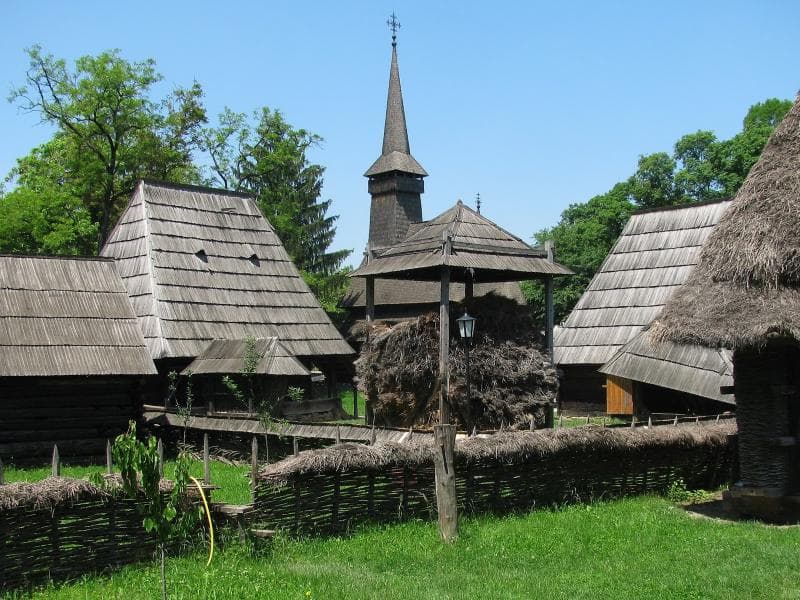
Explore authentic windmills at Bucharest's Village Museum, revealing Romanian rural heritage and ingenious peasant technology from diverse regions.
Overview
Nestled within the verdant expanse of King Michael I Park in Bucharest, Romania, the Dimitrie Gusti National Village Museum offers a captivating journey back in time. This open-air ethnographic museum, established in 1936, meticulously showcases the rich tapestry of traditional Romanian village life. Among its many authentic structures, visitors will discover several impressive windmills, each a testament to the ingenuity and self-sufficiency of rural communities. These towering wooden structures, gracefully standing against the sky, are more than mere exhibits; they are windows into an agrarian past where wind was harnessed to sustain life.
The museum itself is a pioneering concept, being one of the oldest and largest open-air museums in Europe. It comprises houses, churches, technical installations like watermills and oil presses, and, crucially, windmills, all carefully dismantled from their original locations across Romania and reassembled here. This creates a vibrant, living representation of the country's diverse ethnographic regions within the bustling capital city.
History & Cultural Background
The creation of the Dimitrie Gusti National Village Museum was the brainchild of Professor Dimitrie Gusti, a prominent Romanian sociologist. His vision, realized in 1936, was to bring the essence of the Romanian village to the city, preserving the country's rural heritage for future generations. The concept involved a decade of meticulous field research, during which experts identified and documented traditional structures from various regions.
Windmills played a vital role in Romanian peasant life, particularly in regions where water sources for milling were scarce. They were essential technical installations for grinding cereals, transforming raw grains into flour, a staple food. The presence of windmills within the museum's collection highlights the adaptive nature of Romanian peasants, who ingeniously utilized available natural resources to support their communities. These structures represent centuries of practical knowledge and communal effort, reflecting a deep connection to the land and its resources.
What Makes It Special
What makes the windmills at the Village Museum particularly special is their authenticity and the context in which they are presented. These are not replicas but original structures, some dating back to the 19th century, transported plank by plank and reassembled by skilled craftsmen. The museum's collection includes windmills characteristic of the Dobrogea region, known for its flat, windy landscapes ideal for such constructions.
A unique feature of some of these windmills, such as those from Sarichioi, Valea Nucarilor, and Enisala, is their design: they possess a central pivot that allows the entire 'house' of the mill to revolve, orienting the sails towards the prevailing wind. This ingenious engineering ensured maximum efficiency in harnessing wind power, a crucial detail that speaks volumes about the practical wisdom embedded in traditional rural technology. Visiting these mills provides a tangible link to a past where technology was organic, deeply integrated with the environment.
Stories, Fun Facts & Local Details
Imagine the rhythmic creak and groan of the wooden gears, the colossal sails turning slowly against the blue sky, grinding wheat or corn into flour. Each windmill in the Village Museum tells a story of hard work, community interdependence, and the daily struggles and triumphs of peasant life. They embody the spirit of the Romanian countryside, where people lived in harmony with nature's cycles.
One interesting detail is how essential these mills were, not just for sustenance but also as social hubs. Farmers would bring their grain to be milled, often waiting their turn, sharing news and stories, thus fostering a sense of community. The windmills served as landmarks and symbols of a prosperous village. While specific anecdotes about individual millers or villagers might not be readily available for every structure, their collective presence paints a vivid picture of a bustling, self-sufficient rural economy. The materials used, primarily wood, reflect the resources readily available in the Romanian landscape, showcasing a sustainable approach to construction and functionality.
Visitor Perspective
For a curious traveler, encountering the windmills at the Dimitrie Gusti National Village Museum is a profound experience. As you wander through the museum's sprawling grounds, moving from one regional house to another, the sight of the windmills offers a majestic focal point. They stand tall, often on slight rises, dominating the landscape just as they once dominated the economic life of the villages they came from.
The sheer scale and intricate craftsmanship of these structures are impressive. Visitors can examine the wooden mechanisms up close, gaining an appreciation for the engineering principles at play long before modern technology. Information boards, typically in both Romanian and English, provide context about their origin, function, and the region they represent, enhancing the educational aspect of the visit. The windmills serve as powerful reminders of Romania's agrarian roots and the enduring legacy of its rural communities, offering a tranquil and insightful escape from the urban environment of Bucharest.
Coordinates: 26.076521, 44.472324
View on Google Maps💬 How Travelers Describe This Place
Based on community votes
Unique
921Photogenic
831Must See
357Interesting
232Beautiful
147
Traveler Stories
Discover memorable experiences shared by travelers who have visited this place.
No traveler stories yet.
Be the first traveler to share what made this place memorable.

Tour
By
Spot
Discover amazing places around the world. Your journey starts here.
Explore
© 2026 TourBySpot. All rights reserved.