Well Of Heavenly Clarity
Hanoi, Vietnam
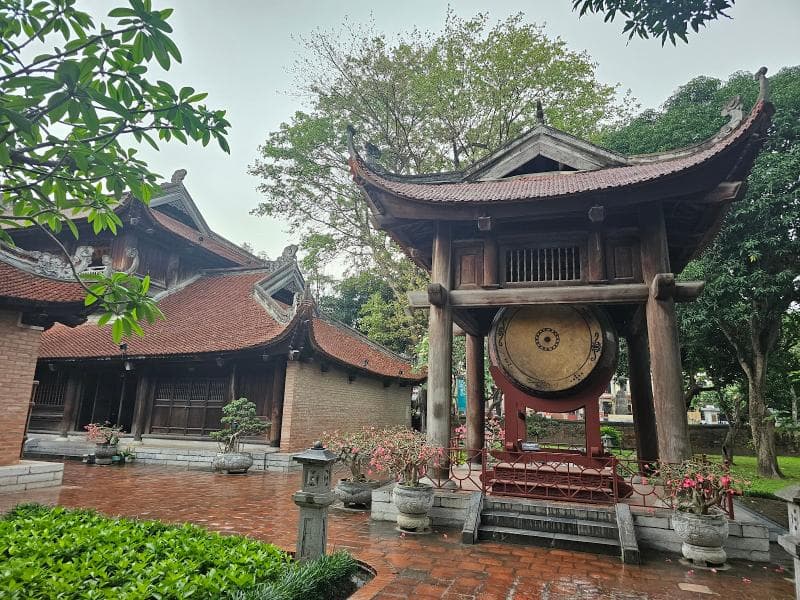
Explore the Well of Heavenly Clarity (Thien Quang Well) within Hanoi's Temple of Literature, Vietnam's first national university. Discover its history, cultural symbolism, and the surrounding Doctoral Steles. A serene spot reflecting centuries of academic tradition.
Overview
Deep within the venerable Temple of Literature in Hanoi, Vietnam, lies a serene and historically significant sub-spot known as the Well of Heavenly Clarity, or Thien Quang Well (Thiên Quang Tỉnh). This square-shaped pond is not merely a decorative feature; it is a profound symbol of knowledge, wisdom, and the enduring pursuit of enlightenment that has shaped Vietnamese culture for centuries. Located in the third courtyard of the Temple of Literature, the well serves as a focal point, inviting visitors to reflect on its deep meaning and the scholarly heritage it represents.
The Temple of Literature itself, known in Vietnamese as Van Mieu – Quoc Tu Giam, is a monumental complex established in 1070. It was initially dedicated to Confucius, the influential Chinese philosopher, and later became Vietnam's first national university, the Imperial Academy, six years later. The Well of Heavenly Clarity is intrinsically linked to this academic legacy, situated gracefully amidst the architectural grandeur and ancient trees of the site.
History & Cultural Background
The history of the Well of Heavenly Clarity is intertwined with the nearly millennium-old narrative of the Temple of Literature. Founded by Emperor Ly Thanh Tong, the Temple served as the primary center for Confucian studies and the cultivation of mandarins and scholars for the imperial court. This institution profoundly influenced Vietnam's intellectual and administrative landscape, nurturing generations of educated elites.
The well is positioned in the third courtyard, a sacred space dedicated to learning and academic achievement. This arrangement reflects a deliberate philosophical design, where each section of the temple complex guides visitors through a symbolic journey of intellectual and moral development. The presence of the well signifies the purity and depth of knowledge sought by the scholars who once studied here.
What Makes It Special
The Well of Heavenly Clarity holds a special place due to its rich symbolism and its connection to the surrounding architectural elements. Its square shape is deeply significant in traditional cosmology, representing the earth, while the iconic Khue Van Pavilion (Constellation of Literature Pavilion) directly behind it, with its round windows, symbolizes heaven. Together, they embody the convergence of 'heaven and earth,' suggesting that this was where the finest of both realms gathered to foster the greatest center of learning in the ancient capital of Thang Long (Hanoi).
Flanking the well are two rows of 82 imposing stone stelae, famously known as the Doctoral Steles. Each stele is mounted on the back of a stone tortoise, a creature revered in Vietnamese culture as a symbol of longevity and wisdom. These stelae meticulously record the names and birthplaces of 1,306 scholars who successfully passed 82 triennial imperial examinations between 1442 and 1780. These detailed historical records are not only invaluable cultural heritage but also a powerful testament to the value placed on education and intellectual merit in feudal Vietnam.
Stories, Fun Facts & Local Details
One fascinating detail about the Well of Heavenly Clarity is its popular association with the Khue Van Pavilion. The pavilion, often seen reflected in the well's waters, has become an official symbol of Hanoi and is prominently featured on the 100,000 Vietnamese Dong banknote, underscoring its cultural importance. Visitors often pose to capture this iconic reflection, making the well a photographer's delight.
Despite its evocative name, 'Heavenly Clarity,' some visitors note that the water in the well is not always crystal clear. However, this hardly diminishes its symbolic power or its aesthetic appeal within the tranquil third courtyard. The Doctoral Steles surrounding the well were intentionally erected not just to honor past scholars but also to inspire future generations to pursue knowledge and contribute to society. This enduring message continues to resonate, with students often visiting the Temple of Literature, especially during exam season, to pray for good fortune and academic success.
Visitor Perspective
A visit to the Well of Heavenly Clarity offers a peaceful and contemplative experience, a stark contrast to the bustling streets of modern Hanoi. As you step into the third courtyard, the square pond immediately commands attention, its surface reflecting the ancient architecture and lush greenery. The sight of the dignified stone tortoises carrying the historical stelae evokes a sense of profound respect for Vietnam's intellectual past.
Walking around the well, one can appreciate the meticulous planning and spiritual significance embedded in the Temple's design. It's a place where you can easily imagine ancient scholars deep in thought, perhaps drawing inspiration from the celestial harmony symbolized by the well and the pavilion. The serene atmosphere provides an ideal setting for quiet reflection on the importance of education and the rich cultural heritage of Vietnam. It truly is a journey back in time, offering a deeper understanding of the values that have shaped the nation.
Coordinates: 105.8356, 21.0286
View on Google Maps💬 How Travelers Describe This Place
Based on community votes
Must See
921Unique
831Photogenic
433Beautiful
232Interesting
211
Traveler Stories
Discover memorable experiences shared by travelers who have visited this place.
No traveler stories yet.
Be the first traveler to share what made this place memorable.

Tour
By
Spot
Discover amazing places around the world. Your journey starts here.
Explore
© 2026 TourBySpot. All rights reserved.