Weaving Demonstrations
Baku, Azerbaijan
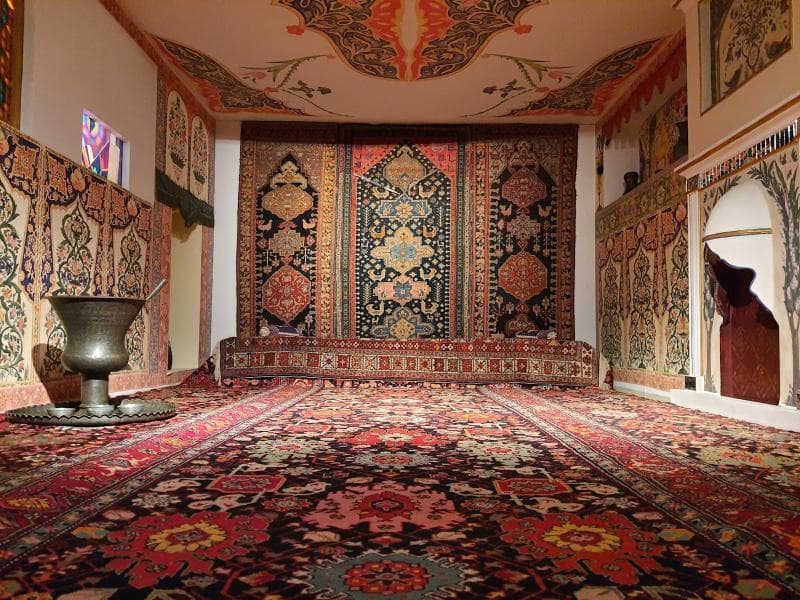
Discover the intricate art of weaving at the Azerbaijan Carpet Museum in Baku, Azerbaijan. Witness live demonstrations of UNESCO-recognized heritage.
Overview
Step into the vibrant world of Azerbaijani carpet weaving with the captivating demonstrations offered at the Azerbaijan Carpet Museum in Baku. As the world's first specialized museum dedicated to this ancient art form, the institution provides a unique window into a craft that is deeply woven into the nation's identity. Established in 1967 and housed in an iconic building shaped like a rolled carpet since 2014, the museum is not just a repository of historical artifacts, but a living testament to a treasured heritage. The weaving demonstrations are a pivotal part of the visitor experience, transforming static exhibits into a dynamic, tangible connection to Azerbaijan's rich cultural tapestry. Here, you can witness skilled artisans practicing techniques passed down through generations, bringing to life the intricate patterns and vibrant colors that define Azerbaijani carpets.
History & Cultural Background
The art of carpet weaving in Azerbaijan boasts a history stretching back to the Bronze Age, as evidenced by archaeological findings and ancient texts. This craft is far more than mere decoration; it is intrinsically linked to the daily life, traditions, and spiritual beliefs of the Azerbaijani people. For centuries, carpets have served practical purposes, adorned homes, and signified social status and wealth. Their profound cultural importance gained global recognition in 2010 when the traditional art of Azerbaijani carpet weaving was inscribed on UNESCO's Representative List of Intangible Cultural Heritage. Historically, the knowledge and skills of weaving were passed down orally, primarily by women within families, ensuring the continuity of this intricate art form. Even European painters in the 15th century were captivated by the beauty of Azerbaijani silk carpets, featuring them in their works, a testament to their early international acclaim.
What Makes It Special
What makes the weaving demonstrations at the Azerbaijan Carpet Museum truly special is the direct, immersive connection they offer to a living cultural heritage. Visitors are not simply observing a finished product but witnessing the painstaking process from start to finish. You can see the raw wool being prepared, the natural dyes creating a palette of spectacular hues, and the precise, rhythmic movements of the weavers as they tie countless knots to form complex designs. This experience highlights the nuanced differences between various carpet types, such as the pile carpets and flat-woven kilims, and the distinct regional styles that have evolved over millennia. These demonstrations bridge the gap between historical artifacts and contemporary craftsmanship, allowing you to appreciate the immense skill, patience, and dedication required to create each unique piece. Some workshops even offer hands-on opportunities, deepening your understanding and appreciation for this cherished craft.
Stories, Fun Facts & Local Details
Azerbaijani carpets are often described as a 'language' and a 'family inheritance,' each telling a story through its motifs and colors. The intricate patterns are rich in symbolism, representing aspects of nature, ancient beliefs, fertility, protection, and the continuity of life. For instance, the 'buta' (paisley) often symbolizes abundance, while the 'tree of life' denotes the unity of generations. Colors, too, carry profound meanings: red frequently symbolizes life, joy, and protection, while blue is associated with the sky and eternity. A fascinating local detail is that the completion of a carpet was traditionally a significant, even ceremonial, occasion. During Novruz, the regional New Year, it was customary for girls to sit on carpets, singing traditional songs and even telling fortunes, underscoring how deeply these textiles are integrated into cultural celebrations. Adding to the charm, the museum building itself is an architectural marvel, designed to resemble a giant rolled-up carpet, a whimsical nod to its precious contents.
Visitor Perspective
For a curious traveler, witnessing the weaving demonstrations provides invaluable context to the magnificent carpet collection displayed throughout the museum. It transforms the historical narratives into a vibrant, sensory experience. The rhythmic click of the loom, the sight of threads taking shape, and the interaction with the weavers themselves create an indelible memory. This immersive experience offers a profound appreciation for the human artistry and cultural depth embedded in every thread. It allows you to grasp the sheer amount of time, effort, and skill involved in creating these masterpieces, fostering a deeper respect for Azerbaijani heritage. Ultimately, the weaving demonstrations bring the museum's history to life, making your visit to the Azerbaijan Carpet Museum an unforgettable cultural journey.
Coordinates: 49.83556, 40.35972
View on Google Maps💬 How Travelers Describe This Place
Based on community votes
Photogenic
869Beautiful
445Unique
416Must See
141Interesting
33
Traveler Stories
Discover memorable experiences shared by travelers who have visited this place.
No traveler stories yet.
Be the first traveler to share what made this place memorable.

Tour
By
Spot
Discover amazing places around the world. Your journey starts here.
Explore
© 2026 TourBySpot. All rights reserved.