Watermills
Bucharest, Romania
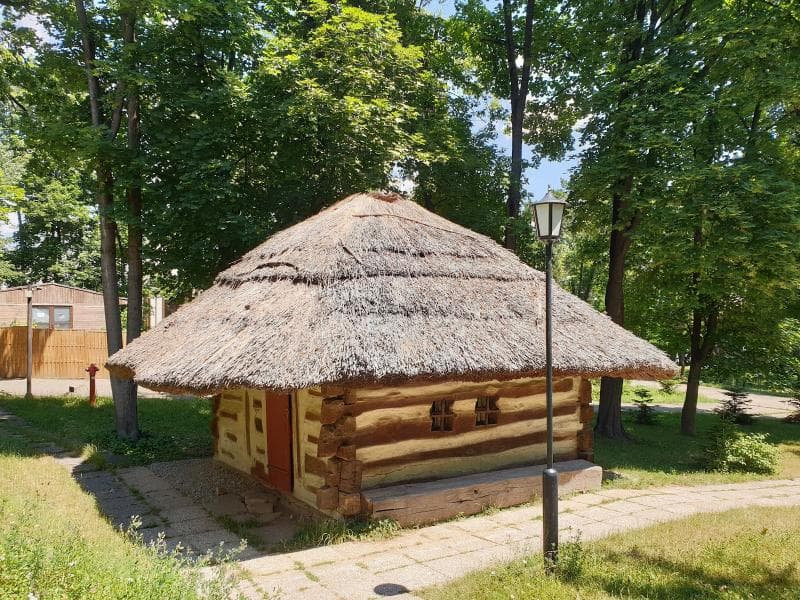
Explore the historic watermills at the Village Museum in Bucharest, Romania. Discover the ingenuity of traditional Romanian rural life and engineering.
Overview
Nestled within the lush expanse of Bucharest's King Michael I Park, the 'Dimitrie Gusti' National Village Museum offers a captivating journey back in time to experience traditional Romanian rural life. Among its many authentic structures and artifacts, the watermills stand as poignant symbols of ingenuity and self-sufficiency, embodying centuries of peasant life. These aren't mere replicas; they are original watermills, meticulously dismantled from various corners of Romania and painstakingly reassembled here, each telling a story of its region and the communities it served. Walking through this open-air ethnographic museum, visitors encounter a living tapestry of the past, where the rhythmic creak and splash of the watermills evoke the industrious spirit that once powered everyday existence in the Romanian countryside. They represent the vital role of natural forces in shaping the material culture and daily routines of pre-industrial villages, offering a tangible connection to a bygone era where water was not just a resource, but a partner in sustenance.
The Watermills section within the Village Museum is more than just an exhibit; it is a testament to the sophisticated understanding Romanian peasants had of their environment. Each mill, whether from the plains or the mountainous regions, showcases distinct architectural and functional adaptations, reflecting the local geography and the specific needs of its community. As you explore these technical installations, you'll discover how flowing water was harnessed to grind grain, press oil, and perform other essential tasks, transforming raw materials into vital goods. The collection of watermills, alongside other traditional technical structures like windmills and oil presses, underscores the museum's commitment to preserving not just the dwellings but the entire functional ecosystem of a traditional Romanian village.
History & Cultural Background
The 'Dimitrie Gusti' National Village Museum itself is a monumental achievement, born from the vision of Professor Dimitrie Gusti, a pioneering Romanian sociologist. Inaugurated in 1936, the museum was the culmination of a decade of intensive field research, aimed at preserving the fast-disappearing realities of rural Romania. Gusti and his team of ethnographers, sociologists, and architects traveled across the country, identifying and carefully relocating hundreds of authentic peasant structures. The inclusion of watermills was integral to this vision, as they were fundamental to the economic and social fabric of Romanian villages for centuries. Before the advent of industrialization, watermills were the heart of rural processing, essential for turning harvests into flour, a staple of the Romanian diet. They were often communal assets, places where villagers gathered, exchanged news, and reinforced community bonds.
These watermills, dating from the 17th to the 20th centuries, were originally located in various ethnographic regions, including Banat, Oltenia, and others. Their transfer to Bucharest was a meticulous process: each structure was carefully disassembled, piece by piece, transported to the capital, and then faithfully reassembled on the museum grounds using authentic techniques. This painstaking effort ensured that the mills retained their historical integrity and regional characteristics. The foresight of Gusti and his collaborators in rescuing these 'technical installations' has provided future generations with an invaluable window into the sustainable practices and technological heritage of rural Romania.
What Makes It Special
The watermills at the Village Museum are special due to their profound authenticity and the diversity they represent. Unlike many historical exhibits, these are not reconstructions; they are original structures, each bearing the marks of time and the labor of generations. The fact that they were physically moved from their original sites and re-erected with such care speaks volumes about the dedication to preserving genuine cultural heritage. This meticulous approach allows visitors to observe the nuanced differences in mill design and construction techniques employed across Romania's varied geographical landscape.
Furthermore, the watermills offer a rare glimpse into the practical application of traditional engineering. Visitors can witness the simple yet effective mechanisms by which flowing water propelled massive wooden wheels, which in turn powered grindstones. The natural setting of the museum, with its streams and lakes, provides an ideal backdrop, making it easy to imagine these mills functioning in their original rural environments. The presence of watermills from regions like Banat and Oltenia, some even featuring functional hydraulics, highlights the regional variations and specialized craftsmanship involved in their creation. They are not just static displays but dynamic relics that embody the spirit of innovation and resourcefulness of Romanian peasants.
Stories, Fun Facts & Local Details
The watermills hold countless untold stories of the people who built, operated, and relied upon them. Imagine the miller, a respected figure in the village, whose skill ensured the daily bread for countless families. The rhythmic sound of the millstones grinding grain would have been a comforting constant, a soundtrack to village life. These mills were often communal gathering spots, vibrant hubs of activity where villagers would bring their grain, wait for their turn, and share news and gossip. They were places of commerce, community, and connection, deeply embedded in the social fabric.
One interesting detail is the mention of the 'Teregova Water Mill' on the museum's own website, suggesting specific mills with documented histories are part of the collection. These individual mills would have their own unique stories – perhaps about a particularly harsh winter when the mill kept the village from starvation, or a local legend associated with its construction or operation. The simple yet robust construction of these mills, predominantly using wood and stone, reflects a deep respect for natural materials and a practical approach to building that lasted for centuries. The ability of these structures to stand the test of time, and to be faithfully relocated and reassembled, is a testament to the enduring quality of traditional Romanian craftsmanship.
Visitor Perspective
For the curious traveler, encountering the watermills at the Village Museum is a truly immersive and educational experience. It's a chance to step away from the bustling modern city of Bucharest and enter a tranquil, historical landscape. The mills invite contemplation, prompting visitors to consider the ingenuity of past generations and the profound connection between humans and nature. Observing the large wooden wheels and understanding their function provides a tactile sense of history, far removed from abstract textbook descriptions. It is a moment to appreciate the slow, deliberate pace of life dictated by natural rhythms, a stark contrast to contemporary society.
Visitors often find themselves marveling at the simple effectiveness of these machines and the clever ways in which water power was harnessed. The peaceful atmosphere around the mills, sometimes accompanied by the gentle rush of water, offers a serene break during a museum visit. It’s an opportunity to reflect on sustainable living practices from centuries past and gain a deeper appreciation for Romania's rich rural heritage. The watermills are not just objects of historical study; they are invitations to connect with the inventive spirit and enduring traditions of the Romanian village.
Coordinates: 26.076520825073963, 44.47232412720871
View on Google Maps💬 How Travelers Describe This Place
Based on community votes
Beautiful
831Photogenic
685Interesting
433Must See
232Unique
211
Traveler Stories
Discover memorable experiences shared by travelers who have visited this place.
No traveler stories yet.
Be the first traveler to share what made this place memorable.

Tour
By
Spot
Discover amazing places around the world. Your journey starts here.
Explore
© 2026 TourBySpot. All rights reserved.