Waterfront Promenade
Shanghai, China
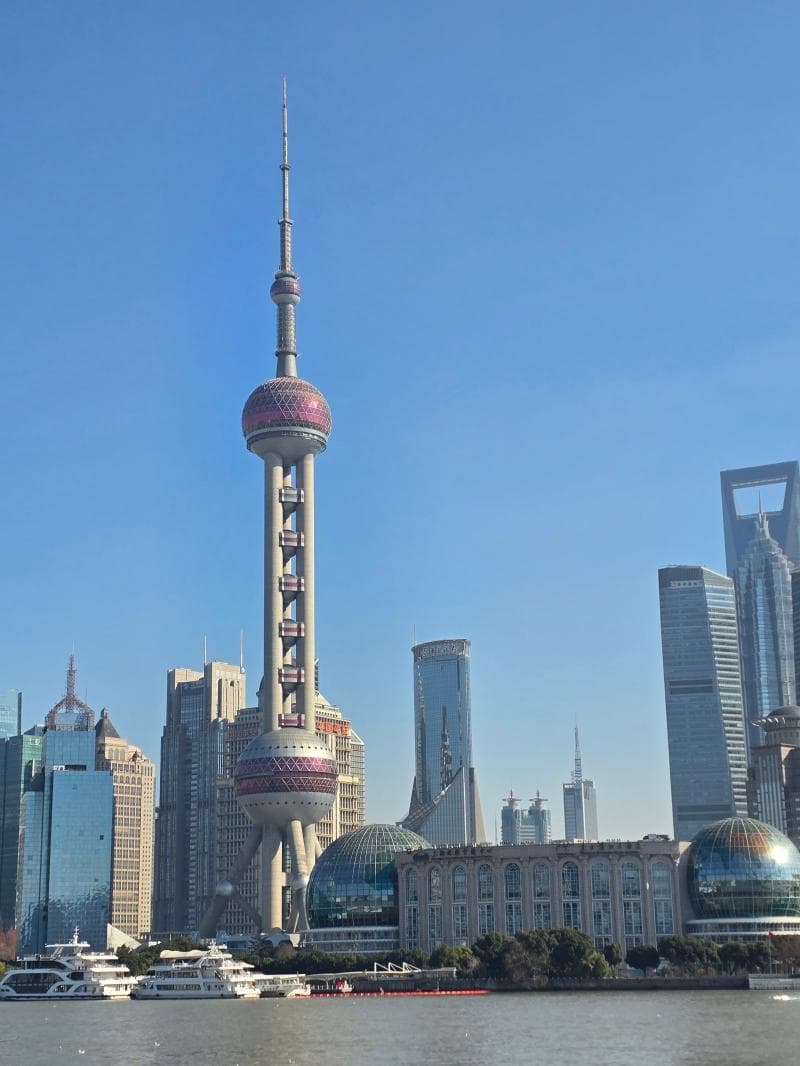
Explore Shanghai's iconic Waterfront Promenade at The Bund, where historical colonial architecture meets the futuristic Pudong skyline. Discover its rich history, unique buildings, and vibrant atmosphere in China.
Overview
The Waterfront Promenade, commonly known as The Bund, is Shanghai's most iconic riverfront area, offering a breathtaking blend of history and modernity along the western bank of the Huangpu River. Stretching approximately 1.5 kilometers (about one mile), it serves as a living open-air museum, showcasing a magnificent collection of historic European-style buildings on one side and providing panoramic views of the futuristic Pudong skyline on the other. This unique juxtaposition makes The Bund a must-visit destination, where every step tells a story of Shanghai's transformation from a treaty port to a global metropolis. [10, 11, 16, 25]
History & Cultural Background
The Bund's story is deeply intertwined with Shanghai's development. Before the 1840s, it was merely a muddy towpath along the Huangpu River. However, following China's defeat in the First Opium War and the subsequent Treaty of Nanking, Shanghai was opened as a treaty port. This led to the establishment of foreign concessions, with The Bund initially becoming a British settlement, later merging into the International Settlement. [6, 7, 9, 14, 16]
During the late 19th and early 20th centuries, The Bund transformed into a bustling hub of global commerce and finance, often dubbed the 'Wall Street of the Far East'. Foreign banks, trading houses, and consulates rapidly constructed grand buildings along the waterfront, each reflecting the architectural styles popular in their home countries. This era of immense foreign influence shaped The Bund's distinctive architectural landscape. After World War II and the establishment of the People's Republic of China, many foreign institutions ceased operations, and the buildings were repurposed by government ministries. However, with China's economic liberalization in the late 1970s, The Bund was revitalized, once again attracting international investment and becoming a major tourist attraction. [6, 9, 10, 13, 16]
What Makes It Special
What truly sets The Bund apart is its extraordinary architectural diversity. The 52 historic buildings lining the promenade showcase an impressive array of styles, including Gothic, Baroque, Romanesque, Neoclassical, and Art Deco. Walking along this stretch feels like a journey through different European cities, earning it the title 'museum of buildings'. [4, 10, 15, 16, 20]
Notable structures include the Customs House, identifiable by its iconic clock tower, which once regulated China's foreign trade. The HSBC Building, a neoclassical masterpiece, is famed for its grand domed ceiling and the pair of bronze lions guarding its entrance, believed to bring good luck if touched. The Peace Hotel, an Art Deco gem, has hosted numerous celebrities and dignitaries. Across the river, the modern marvels of Pudong, such as the Oriental Pearl Tower, Shanghai Tower, and Jin Mao Tower, create a striking contemporary contrast, symbolizing Shanghai's rapid ascent into the future. [3, 4, 15, 16, 17]
Stories, Fun Facts & Local Details
The name 'Bund' itself originates from an Anglo-Indian term meaning an 'embankment' or 'muddy waterfront', a nod to its humble beginnings. Along the promenade, you might encounter the 'Bund Bull', a symbol of financial vitality reminiscent of New York's Charging Bull, reflecting The Bund's historical financial significance. A charming piece of local lore suggests that touching the bronze lions outside the old HSBC building can bring good fortune. [3, 9, 16, 17]
At the northern end, the Waibaidu Bridge, Shanghai's oldest steel bridge built in 1907, offers picturesque views and a glimpse into early urban infrastructure. Locals and savvy travelers often seek out the 'Lovers' Wall' for its romantic ambiance. For a quirky experience, the Bund Sightseeing Tunnel, an under-river tram with light shows, provides a unique way to travel between The Bund and Pudong. In the early mornings, you might witness locals practicing Tai Chi or engaging in other forms of exercise, offering a glimpse into daily Shanghai life. [3, 4, 10, 15, 16, 17, 20, 23]
Visitor Perspective
A stroll along The Bund offers different enchanting experiences depending on the time of day. During daylight hours, the intricate architectural details of the historic buildings can be fully appreciated, providing a serene backdrop for contemplation. As dusk approaches, The Bund transforms into a spectacle of light. The colonial-era facades glow in warm hues, while across the Huangpu River, the skyscrapers of Pudong burst into a synchronized display of neon and LED brilliance. [3, 4, 10, 12, 15, 19, 24, 25]
Many visitors choose to walk the promenade in the early evening to witness this magical transition from day to night. For an alternative perspective, a Huangpu River cruise offers unparalleled views of both the historic Bund and the modern Pudong skyline, illustrating the city's dynamic evolution from the water. Whether you're capturing photographs of the iconic skyline, soaking in the historical atmosphere, or simply enjoying the lively ambiance, The Bund provides an unforgettable journey through Shanghai's vibrant past and dazzling future. [10, 15, 20, 23]
Coordinates: 121.4856, 31.2366
View on Google Maps💬 How Travelers Describe This Place
Based on community votes
Beautiful
886Unique
564Must See
233Interesting
201Photogenic
121
Traveler Stories
Discover memorable experiences shared by travelers who have visited this place.
No traveler stories yet.
Be the first traveler to share what made this place memorable.

Tour
By
Spot
Discover amazing places around the world. Your journey starts here.
Explore
© 2026 TourBySpot. All rights reserved.