Wartime Videos
Sarajevo, Bosnia and Herzegovina
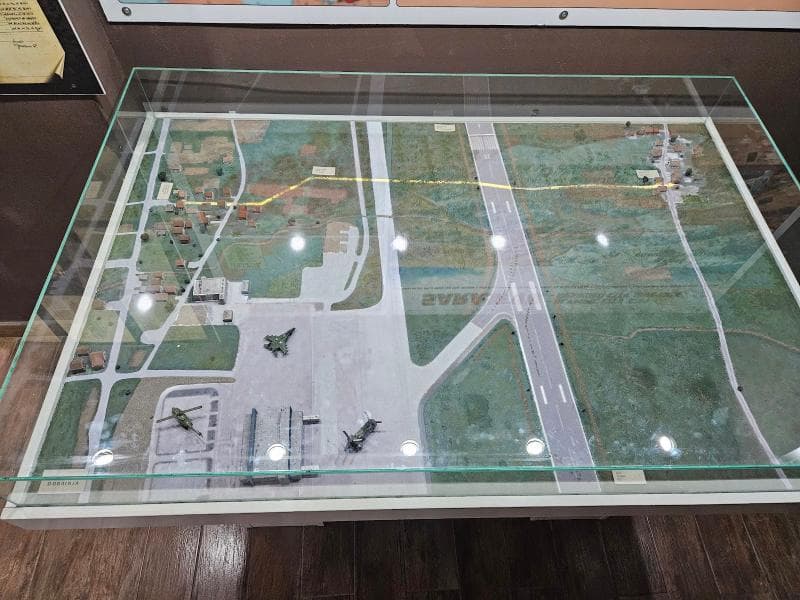
Witness wartime videos at Sarajevo Tunnel Museum in Sarajevo, Bosnia and Herzegovina, offering a poignant look into the city's siege and resilience.
Overview
Within the poignant Sarajevo Tunnel Museum, often referred to as the 'Tunnel of Hope' or 'Tunel Spasa,' visitors encounter a deeply moving sub-spot known as 'Wartime Videos.' This dedicated viewing area serves as a crucial starting point for understanding the profound history of the Siege of Sarajevo and the tunnel's indispensable role during that harrowing period. Typically presenting an approximately 18-minute film, this exhibit immerses visitors in the realities of life during the 1992-1995 siege, which holds the somber distinction of being the longest in modern history. Through powerful archival footage, photographs, and personal accounts, the Wartime Videos prepare visitors for the emotional and historical journey ahead, illustrating the devastating impact of the conflict on the city and its residents, alongside their remarkable ingenuity and struggle for survival.
History & Cultural Background
The Sarajevo Tunnel itself was a lifeline, constructed in secret between March and June 1993, to bypass the siege imposed by Serbian forces that had completely cut off the city from the outside world. Dug painstakingly by hand by Bosnian Army soldiers and civilians, this underground passage connected the besieged city with Bosnian-held territory on the other side of the Sarajevo Airport runway. Its primary purpose was to transport essential supplies – food, medicine, and war materials – and to allow people to enter and exit the isolated city. The Wartime Videos directly address this critical historical context, utilizing contemporary news material and historical explanations to bring to life the desperation and resilience of Sarajevans. The footage underscores the strategic importance of the tunnel in circumventing an international arms embargo and highlights the daily struggles faced by civilians during those 1,425 days of isolation.
What Makes It Special
What sets the 'Wartime Videos' apart is their raw authenticity and the immediate emotional connection they forge with the visitor. This isn't a mere historical recount; it's an immersive experience designed to contextualize the physical tunnel and the broader conflict. The documentary footage, often comprising original wartime recordings, shows the tunnel in active use, depicting individuals crouching through the narrow, dark passage, transporting vital supplies, and the sheer effort involved in its construction. Beyond the practicalities, the videos include survivor testimonies, offering deeply personal insights into the human cost of the siege. This blend of historical fact and personal narrative creates a powerful empathy, allowing visitors to grasp the true significance of the 'Tunnel of Hope' as a symbol of defiance and an act of collective will against overwhelming odds.
Stories, Fun Facts & Local Details
While 'fun facts' might seem a strange term for such a solemn place, the 'Wartime Videos' reveal fascinating details about the resourcefulness and spirit of the people of Sarajevo. For instance, the footage often shows how the tunnel was not only used for humanitarian aid and military supplies but also became a conduit for basic necessities like fuel, cigarettes, and even telecommunication lines. Stories captured in the videos might include accounts of the 'Object BD' codename given to the tunnel project, or the challenging conditions faced by the diggers, working in shifts with rudimentary tools like pickaxes and shovels under constant threat. The videos vividly portray how the tunnel was ingeniously designed, sometimes with an L-shape to prevent it from being easily shelled, and later expanded with drainage pumps and a makeshift railway to transport heavier loads. These local details, often shared through the direct voices of those who lived through the siege, add layers of human experience to the broader historical narrative, emphasizing the incredible tenacity of a city determined to survive.
Visitor Perspective
For many visitors, the 'Wartime Videos' are the most impactful part of their museum experience, serving as a visceral and educational prologue before stepping into the preserved section of the actual tunnel. The film's content, while sometimes difficult to watch due to its stark portrayal of war, is essential for a comprehensive understanding of what the city endured. Travelers often report feeling a profound sense of sadness, awe, and respect for the resilience displayed by the people of Sarajevo. The videos make the subsequent walk through the narrow, low-ceilinged tunnel section far more meaningful, providing a deeper context for the physical space and enhancing the emotional weight of the entire visit. It's an experience that leaves a lasting impression, fostering reflection on human courage, ingenuity, and the universal desire for freedom and survival.
Coordinates: 18.33722, 43.81972
View on Google Maps💬 How Travelers Describe This Place
Based on community votes
Must See
539Unique
517Interesting
422Photogenic
394Beautiful
251
Traveler Stories
Discover memorable experiences shared by travelers who have visited this place.
No traveler stories yet.
Be the first traveler to share what made this place memorable.

Tour
By
Spot
Discover amazing places around the world. Your journey starts here.
Explore
© 2026 TourBySpot. All rights reserved.