Warden’s House Ruins
San Francisco, United States
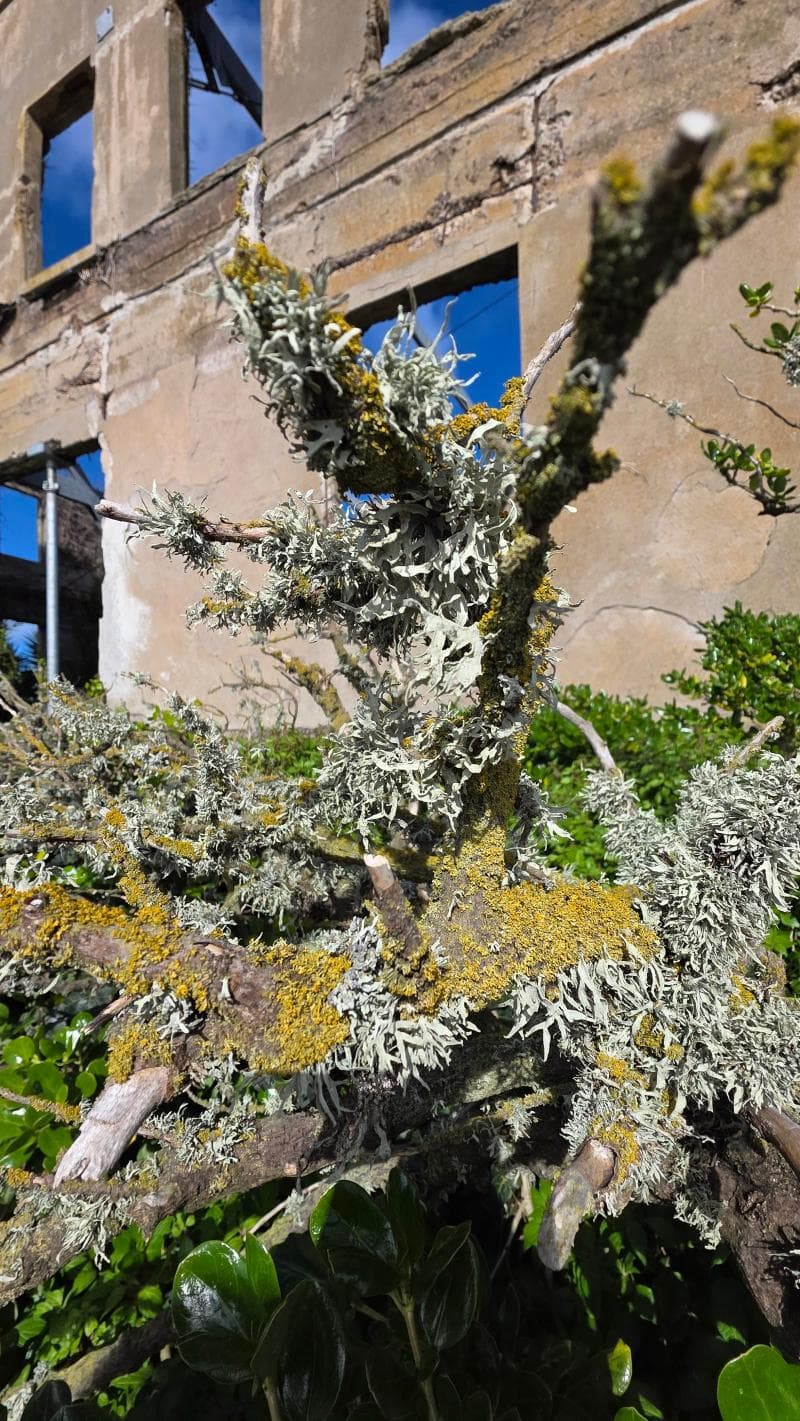
Explore the haunting Warden’s House Ruins on Alcatraz Island, San Francisco, United States. Discover its history as home to prison wardens and its dramatic destruction.
Overview
Perched atop the legendary Alcatraz Island in San Francisco Bay, the Warden’s House Ruins stand as a stark and powerful testament to the island's complex past. Once a grand, three-story mansion, this reinforced concrete structure served as the official residence for the commandants of the military prison and later, the wardens of the notorious Alcatraz Federal Penitentiary. [2, 4, 11] Today, these haunting ruins offer a unique glimpse into the lives of those who oversaw 'The Rock,' providing a striking contrast between the luxury afforded to its highest-ranking resident and the harsh confinement of the inmates just a stone's throw away. [4, 9]
The ruins, fire-scarred and open to the elements, command panoramic views of the San Francisco skyline, the Golden Gate Bridge, and the surrounding bay. [2, 10] They serve not only as a physical remnant of a bygone era but also as a powerful symbol of authority, privilege, and the dramatic end to an important chapter in Alcatraz's history. Preserved by the National Park Service as part of the Golden Gate National Recreation Area, the Warden's House Ruins invite visitors to ponder the contrasting realities of life on this isolated island. [2, 3, 9]
History & Cultural Background
The Warden's House was constructed in 1921, initially serving as the residence for the commandant of Alcatraz's military prison. [2, 11] Built in the Mission Revival architectural style, the mansion boasted 15 rooms, though some accounts suggest it may have had up to 18, and featured expansive windows designed to capture the breathtaking bay views. [2, 4, 8, 10] Its construction from reinforced concrete was typical for Alcatraz structures after 1907, ensuring durability against the island’s harsh marine environment. [2]
When Alcatraz transitioned into a federal penitentiary in 1934, the house became home to each of the four successive wardens who managed the maximum-security institution until its closure in 1963. [2, 4, 9, 12] Here, wardens like James A. Johnston, the first federal warden, lived with their families, seemingly insulated from the grim realities of the prison below. [4, 10] This executive mansion was a symbol of the hierarchical authority that governed the prison, its elevated position literally and figuratively overseeing the cellhouse and the inmates within. [2]
The mansion's fate took a dramatic turn on June 1, 1970. During the nearly 19-month occupation of Alcatraz by the Indigenous group, Indians of All Tribes, a fire erupted, engulfing the Warden's House, along with the officers' club and lighthouse keepers' quarters. [2, 4, 29] The conflagration left behind only the hollow, fire-scarred concrete shell that visitors see today, marking a poignant end to its residential era and adding another layer to the island's storied history of protest and change. [2, 4]
What Makes It Special
What truly sets the Warden’s House Ruins apart is the profound juxtaposition they embody. Imagine a luxurious 15-room mansion, complete with terraced gardens and a greenhouse, existing on an island synonymous with the most severe form of incarceration. [4, 9, 10] This contrast offered the wardens a life of relative comfort and breathtaking views, while just steps away, some of America's most dangerous criminals endured a life of extreme deprivation. [4, 9]
The ruins are also unique for their symbolic role in projecting authority. Situated at the island's summit, adjacent to the iconic Alcatraz Lighthouse, the house was strategically placed to command respect and surveillance. [2, 4] Its prominent location meant that the warden could, theoretically, monitor prison activities from his residence. Today, the skeletal remains of the structure, eroded by time and tragedy, offer a tangible link to both the human desire for power and the enduring legacy of the island's dramatic history. [2, 4]
Stories, Fun Facts & Local Details
During its operational years, the Warden's House was not just a home; it was a social hub. Wardens were known to host lavish cocktail parties, entertaining guests against the stunning backdrop of San Francisco Bay. [4, 12] These social gatherings offered a surreal contrast to the silent, desperate lives unfolding in the cells nearby. Another intriguing detail is that trusted inmates were sometimes assigned chores at the Warden's House, tending to the terraced gardens and greenhouse. This privilege was a significant mark of trust and approval within the prison system, offering a brief respite from the harsh prison routine and a rare glimpse into a different world. [4, 17]
The fire that destroyed the mansion in 1970, during the Native American occupation, adds another layer of historical intrigue. The occupation itself was a pivotal moment for Native American civil rights, asserting claims to surplus federal land and bringing national attention to Indigenous issues. [2, 29, 30] The destruction of the Warden's House, while unintentional by the occupiers in some accounts, became an indelible part of this powerful protest, leaving behind a permanent scar on the landscape and a powerful reminder of this revolutionary period. [2, 4]
Visitor Perspective
Visiting the Warden’s House Ruins today is a profound experience that evokes a sense of both history and melancholy. As you approach the remains, you can almost visualize the grand mansion it once was, its windows offering unparalleled views that now frame crumbling concrete. The site encourages reflection on the stark disparities of life on Alcatraz Island—the lives of the wardens and their families, living in comfort, versus the lives of the prisoners, confined in despair. [4, 9]
The ruins stand as a powerful, silent witness to the island's many transformations: from a military fort and prison to a federal penitentiary, and then to a site of Indigenous protest. [2, 30, 31] Walking among the remnants, visitors are invited to piece together the stories held within these walls, imagining the lively gatherings, the daily routines, and the dramatic fire that ultimately reshaped its destiny. It’s a sobering yet captivating stop on any tour of Alcatraz, offering a tangible connection to the island's layered and compelling narrative. [2, 9]
Coordinates: -122.42192, 37.8263
View on Google Maps💬 How Travelers Describe This Place
Based on community votes
Photogenic
981Must See
958Unique
565Beautiful
157Interesting
28
Traveler Stories
Discover memorable experiences shared by travelers who have visited this place.
No traveler stories yet.
Be the first traveler to share what made this place memorable.

Tour
By
Spot
Discover amazing places around the world. Your journey starts here.
Explore
© 2026 TourBySpot. All rights reserved.