Wall Panels
Berlin, Germany
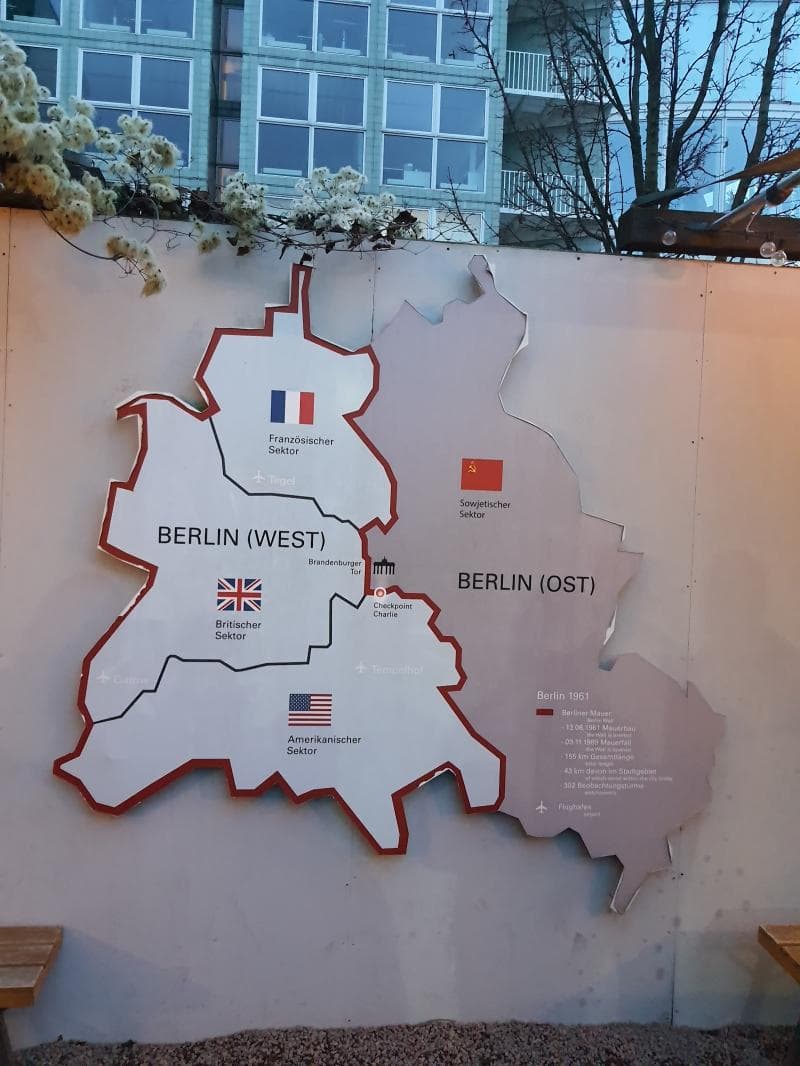
Explore the Wall Panels at Checkpoint Charlie, Berlin, Germany. Delve into Cold War history, escape stories, and Berlin Wall remnants.
Overview
Stepping into the area around Checkpoint Charlie in Berlin, Germany, visitors encounter more than just a reconstructed guardhouse; they discover a powerful open-air exhibition centered around informational 'Wall Panels'. These panels serve as a poignant outdoor museum, transforming the bustling junction of Friedrichstraße, Zimmerstraße, and Schützenstraße into a vivid classroom of Cold War history. They visually and narratively recount the profound story of the Berlin Wall, the division of a city, and the human struggles for freedom that unfolded at this historic border crossing.
While the original Checkpoint Charlie structures have mostly been removed, these interpretive panels, alongside genuine remnants of the Berlin Wall nearby, provide an indispensable layer of context and emotional depth to the site. They guide curious travelers through the intricate timeline of events, offering insights into the political tensions, the personal tragedies, and the ingenious acts of defiance that defined an era. This collection of historical markers ensures that the profound legacy of Checkpoint Charlie remains accessible and impactful for every visitor.
History & Cultural Background
The story embedded within these Wall Panels begins with the abrupt construction of the Berlin Wall on August 13, 1961. Overnight, East Germany sealed off its border with West Berlin, literally dividing families, communities, and a nation. Checkpoint Charlie, initially designated 'Checkpoint C' by the Western Allies, became the most famous crossing point. It was the sole gateway for Allied military personnel, diplomats, and non-German foreign visitors between the American sector of West Berlin and East Berlin.
The cultural significance of Checkpoint Charlie is immense; it stood as a tangible symbol of the Iron Curtain, representing the ideological clash between democracy and communism. The Wall Panels vividly illustrate this fraught history, detailing not only the geopolitical standoff, like the tense tank confrontation between American and Soviet forces in October 1961, but also the everyday reality of life under division. They reveal how border security evolved and the stark contrast between the two sides of a once-unified city.
What Makes It Special
What sets the Wall Panels at Checkpoint Charlie apart is their ability to bridge the gap between abstract history and deeply personal human experience. Unlike traditional indoor museums, these panels integrate the narrative directly into the urban landscape where the events actually took place. As you stand at the former crossing point, reading a panel about a daring escape, you are literally immersed in the historical setting, making the past feel remarkably present.
The panels are carefully curated, often featuring large-format historical photographs that transport viewers back to the decades of division. They don't just state facts; they show the faces, the locations, and the very apparatus used in escape attempts. This direct visual storytelling, combined with dual-language narratives (English and German), ensures that the complex history is comprehensible and impactful for a global audience. The presence of actual Berlin Wall remnants nearby further anchors the experience in tangible reality, reminding visitors of the physical barrier that once dictated lives.
Stories, Fun Facts & Local Details
The Wall Panels are rich with individual stories of courage, desperation, and ingenuity. They document the countless attempts by East Germans to reach freedom, many of which unfolded right around Checkpoint Charlie. Visitors learn about the inventive methods employed, from hidden compartments in vehicles to homemade hot-air balloons and even mini-submarines. These stories are not merely historical footnotes; they are testaments to the indomitable human spirit in the face of oppression. For instance, the adjacent Mauermuseum (Wall Museum) displays actual artifacts from these escapes, such as an armored escape vehicle and part of a hot-air balloon.
One particularly poignant story often recounted on the panels is that of Peter Fechter, an 18-year-old who was shot by East German border guards while attempting to escape in 1962 and left to bleed to death in the death strip, in full view of Western media. Such narratives offer a stark reminder of the human cost of the Wall. While the site today includes a replica checkpoint booth and actors posing for photos, the historical panels provide the crucial, sober context that makes the visit truly meaningful, highlighting the reality beyond the commercial veneer.
Visitor Perspective
For visitors, exploring the Wall Panels at Checkpoint Charlie is an essential part of understanding modern German history. Walking along Friedrichstraße and Zimmerstraße, pausing at each panel, offers a self-guided journey through a pivotal period. The information is presented clearly and concisely, making complex historical events digestible for all ages.
Amidst the busy street life and sometimes commercialized atmosphere, these panels invite quiet reflection. They provide an opportunity to connect with the personal narratives of those affected by the Wall, fostering empathy and a deeper appreciation for freedom. Combining a visit to the outdoor panels with an exploration of the nearby Mauermuseum, which delves further into escape stories and the history of human rights, creates a comprehensive and emotionally resonant experience. The Wall Panels ensure that Checkpoint Charlie remains not just a tourist spot, but a powerful memorial and an educational resource.
Coordinates: 13.3903, 52.5075
View on Google Maps💬 How Travelers Describe This Place
Based on community votes
Interesting
852Must See
326Beautiful
270Unique
146Photogenic
80
Traveler Stories
Discover memorable experiences shared by travelers who have visited this place.
No traveler stories yet.
Be the first traveler to share what made this place memorable.

Tour
By
Spot
Discover amazing places around the world. Your journey starts here.
Explore
© 2026 TourBySpot. All rights reserved.