Walkways
Marseille, France
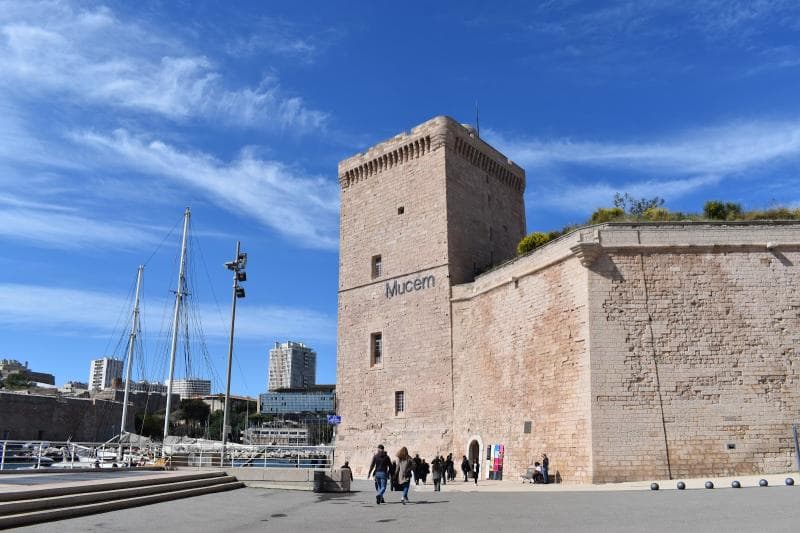
Explore the historic walkways of Fort Saint-Jean in Marseille, France. Discover ancient ramparts, tranquil gardens, and panoramic views.
Overview
Perched majestically at the entrance of Marseille's historic Old Port, the walkways of Fort Saint-Jean offer a captivating journey through centuries of history, culture, and breathtaking Mediterranean vistas. Once an imposing military stronghold, this iconic landmark has been masterfully transformed into a vibrant public space, seamlessly integrated with the Museum of European and Mediterranean Civilisations (MuCEM). The ‘walkways’ here are not merely paths, but an immersive experience, inviting visitors to explore ancient ramparts, discover tranquil gardens, and traverse modern footbridges that bridge past and present. They provide unparalleled panoramic views of the bustling port, the azure sea, and the vibrant cityscape, making every step a discovery.
These interconnected routes within Fort Saint-Jean, including the historic 'Chemin de ronde' and the serene Jardin des Migrations, serve as a living testament to Marseille's rich heritage. The ingenious design allows for free exploration of its outdoor spaces, fostering a unique dialogue between the fort's storied past and its contemporary role as a cultural beacon.
History & Cultural Background
The site where Fort Saint-Jean now stands boasts an incredibly long and significant history, dating back to antiquity. Its foundations are rooted in the 12th century, originally housing a commandery of the Knights Hospitaller of Saint John of Jerusalem, a monastic-military order that played a crucial role during the Crusades.
The current fortification largely owes its existence to King Louis XIV, who ordered its construction between 1660 and 1671. Interestingly, these new forts (Fort Saint-Jean and Fort Saint-Nicolas on the opposite side of the port) were not primarily built to defend Marseille from external threats, but rather to control the city's often rebellious inhabitants, with cannons strategically pointed inward.
Over the centuries, Fort Saint-Jean served various military functions, including as a prison during the French Revolution, holding prominent figures like Louis Philippe II. During World War II, it was occupied by German forces and tragically suffered severe damage in 1944 when an accidental explosion of a munitions depot destroyed much of its historic battlements.
Recognized for its historical importance, the fort was classified as a historic monument in 1964. Following extensive restoration, it reopened to the public in 2013 as a pivotal part of the MuCEM complex, marking a profound shift from a symbol of military power to one of cultural openness.
What Makes It Special
What truly sets the walkways of Fort Saint-Jean apart is their seamless integration into a modern cultural experience while preserving their historical essence. Two striking footbridges, architectural marvels in themselves, connect the fort: one leads directly to the contemporary J4 building of the MuCEM, and the other to the historic Le Panier district. These bridges symbolize Marseille's ability to weave its ancient roots with its dynamic present.
Within the fort's ancient walls, visitors discover a network of paths, including the old 'Chemin de ronde' that allows for aerial tours of the ramparts, echoing the patrols of soldiers from centuries past. These elevated paths provide a unique perspective, showcasing the formidable defensive architecture alongside stunning views of the Old Port, the Mediterranean Sea, and landmarks like Notre-Dame de la Garde.
Another remarkable feature is the Jardin des Migrations, a unique garden promenade that winds through the fort's outdoor spaces. This sensory garden is a botanical journey, featuring Mediterranean plants that tell a story of migration and cultural exchange, reflecting Marseille's role as a melting pot of civilisations. It's a place for quiet contemplation amidst historical grandeur.
Stories, Fun Facts & Local Details
The history embedded in Fort Saint-Jean's walkways is rich with compelling narratives. Imagine the Knights Hospitaller, centuries ago, preparing for their crusades from this very promontory. Or picture the soldiers of Louis XIV, their footsteps heavy on the 'Chemin de ronde', guarding not just the port but also keeping a watchful eye on the city itself.
A fascinating detail is that the fort's cannons, built by Louis XIV, were initially pointed inwards towards Marseille. This was a clear message to the city's citizens, reminding them of royal authority following periods of unrest, rather than purely for naval defense. This inward-facing stance speaks volumes about the relationship between the monarchy and this fiercely independent port city.
The transformation of Fort Saint-Jean into a public cultural space is a modern success story. Before 2013, the fort was largely inaccessible, its secrets confined within its formidable walls. Its current free access for outdoor areas has truly allowed the people of Marseille and visitors alike to 'reclaim' the site, turning a former military barrier into a vibrant meeting point.
Visitor Perspective
For the curious traveler, exploring the walkways of Fort Saint-Jean is an enriching experience that combines historical immersion with panoramic beauty. The journey begins as you step onto one of the elegant footbridges, feeling the gentle sea breeze as you transition from the contemporary MuCEM or the ancient streets of Le Panier into the fort's timeless embrace.
Wandering through the fort, you'll find yourself traversing vaulted passageways, climbing spiral stairs to the King René Tower for commanding views, and strolling along the ramparts where the city's 2,600 years of history unfold before your eyes. The different levels and pathways offer diverse perspectives, from intimate courtyards to expansive sea views.
The Jardin des Migrations provides a sensory respite, a fragrant oasis where Mediterranean flora thrives, inviting you to pause and reflect on the interconnectedness of cultures. Whether you're a history enthusiast, a lover of stunning landscapes, or simply seeking a unique perspective on Marseille, the walkways of Fort Saint-Jean offer a memorable and thought-provoking exploration of this iconic city's soul.
Coordinates: 5.3667, 43.295
View on Google Maps💬 How Travelers Describe This Place
Based on community votes
Beautiful
950Must See
858Unique
287Interesting
231Photogenic
86
Traveler Stories
Discover memorable experiences shared by travelers who have visited this place.
No traveler stories yet.
Be the first traveler to share what made this place memorable.

Tour
By
Spot
Discover amazing places around the world. Your journey starts here.
Explore
© 2026 TourBySpot. All rights reserved.