Walking Trails
Athens, Greece
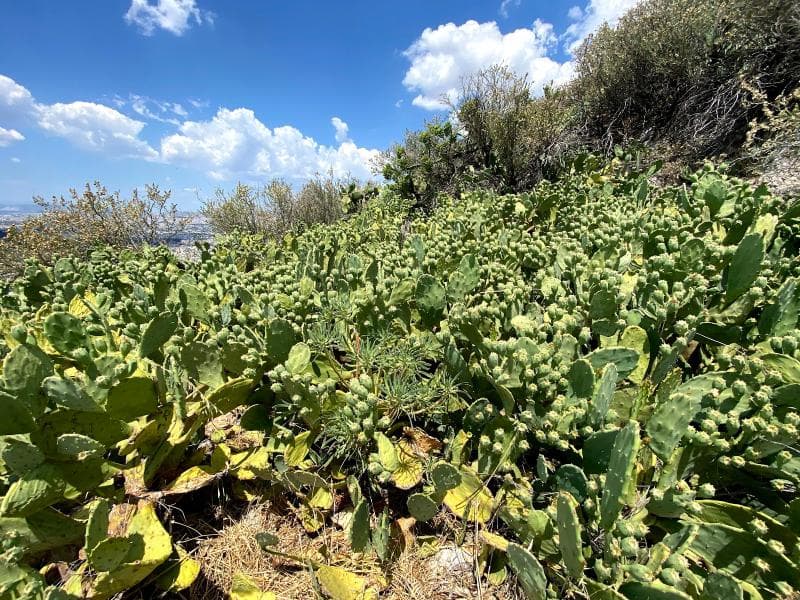
Explore the enchanting walking trails of Mount Lycabettus in Athens, Greece. Discover breathtaking panoramic views, ancient myths, and hidden gems on this iconic hill.
Overview
Mount Lycabettus, also known as Lykavittos, stands majestically as the highest point in central Athens, Greece, reaching an elevation of 277 meters (908 feet) above sea level. This iconic limestone hill offers unparalleled 360-degree panoramic views of the sprawling city, including the Acropolis, the Saronic Gulf, and surrounding mountain ranges. While a funicular provides a quick ascent, traversing the walking trails on Mount Lycabettus offers a more immersive and rewarding experience, allowing visitors to connect deeply with its natural beauty and serene atmosphere.
History & Cultural Background
The origins of Mount Lycabettus are steeped in captivating Greek mythology. Popular legend attributes its creation to the goddess Athena. She was said to be carrying a massive limestone rock from the Pallene peninsula, intending to fortify the Acropolis and bring it closer to the heavens. However, a raven startled her with bad news, causing her to drop the boulder, which then formed Lycabettus Hill.
Another enduring tale suggests the name 'Lycabettus' derives from 'lykos', the Greek word for 'wolf', implying that the hill was once a refuge for wolves. Historically, the hill was not always adorned with its current lush pine forest; in ancient times, it was largely bare, marked by dug-out quarries. These quarries played a significant role, as limestone extracted from Lycabettus was used in the construction of many of Athens' neoclassical buildings. Reforestation efforts began in the late 19th and early 20th centuries, transforming its appearance and establishing the vibrant ecosystem seen today.
What Makes It Special
The walking trails of Mount Lycabettus are a journey through nature and history, offering a unique perspective of Athens. As you ascend, the paved paths and wilder trails wind through fragrant pine forests, revealing diverse flora and fascinating rock formations. This gradual climb allows for constantly changing vistas, each turn presenting a new angle of the city below.
Beyond the breathtaking views, the hill is home to unexpected wildlife. Enthusiastic walkers might spot various Mediterranean flowers, brightly colored birds like the European greenfinch, and even the occasional wild tortoise, quietly making its way between cacti. This rich biodiversity, combined with the gentle rustling of pine trees, creates a tranquil escape from the urban hustle, offering moments of quiet contemplation and natural discovery.
Stories, Fun Facts & Local Details
The Chapel of St. George, a charming whitewashed 19th-century church, proudly crowns the summit, its bell tower adding to the iconic Athenian skyline. Inside, it preserves authentic interiors and valuable religious art, offering a spiritual and historical focal point.
Another notable feature is the open-air Lycabettus Theatre, constructed in the 1960s within a former quarry. This semi-circular amphitheater, with a capacity of 3,000 seats, has hosted numerous national and international artists, including legendary performers like Bob Dylan and Leonard Cohen, especially during the summer months.
For those who venture slightly off the main routes, the rock-cut Church of Saint Isidore, much older and more obscure than St. George's, offers a glimpse into a hidden religious site, tucked away amidst the natural terrain. While not regularly open, its existence adds another layer of intrigue to the hill's rich tapestry of tales.
Visitor Perspective
Embarking on the walking trails up Mount Lycabettus is an experience that many seasoned travelers cherish. While the ascent can be moderately strenuous, especially in warmer months, it is accessible to most with a reasonable level of fitness. There are various access points, including a well-graded paved path from the Kolonaki side near the funicular station, and wilder trails up the western flank.
The hike typically takes between 30 to 90 minutes, depending on your starting point and pace. It's often recommended to walk up to fully appreciate the changing scenery and earn the panoramic reward at the summit, perhaps choosing to take the funicular down to save your knees. Early morning or late afternoon (for sunset) are ideal times to avoid the midday heat and witness Athens bathed in golden light or twinkling urban glow. Remember to wear proper shoes with good grip and carry plenty of water, as the trails can be uneven and exposed in sections.
Coordinates: 23.74167, 37.97778
View on Google Maps💬 How Travelers Describe This Place
Based on community votes
Beautiful
996Interesting
673Must See
585Unique
143Photogenic
80
Traveler Stories
Discover memorable experiences shared by travelers who have visited this place.
No traveler stories yet.
Be the first traveler to share what made this place memorable.

Tour
By
Spot
Discover amazing places around the world. Your journey starts here.
Explore
© 2026 TourBySpot. All rights reserved.